Antibody–drug conjugates (ADCs) work by using antibodies that specifically recognize cancer cell markers to deliver chemotherapy drugs directly to tumors. When an ADC binds to a cancer cell, it gets internalized, and the drug is released inside, killing the cell. This targeted approach minimizes damage to healthy tissue and enhances treatment effectiveness. If you want to understand more about how these innovative therapies target cancer so precisely, keep exploring the details.
Listen free for 30 days with Audible
Thousands of audiobooks and originals — cancel anytime.
As an affiliate, we earn on qualifying purchases.
Key Takeaways
- ADCs use antibodies to specifically recognize and bind to cancer cell antigens.
- After binding, ADCs are internalized into cancer cells via endocytosis.
- Inside the cell, the linker is cleaved, releasing the cytotoxic drug.
- The released drug induces cell death through mechanisms like apoptosis.
- This targeted delivery minimizes damage to healthy tissues and enhances treatment efficacy.
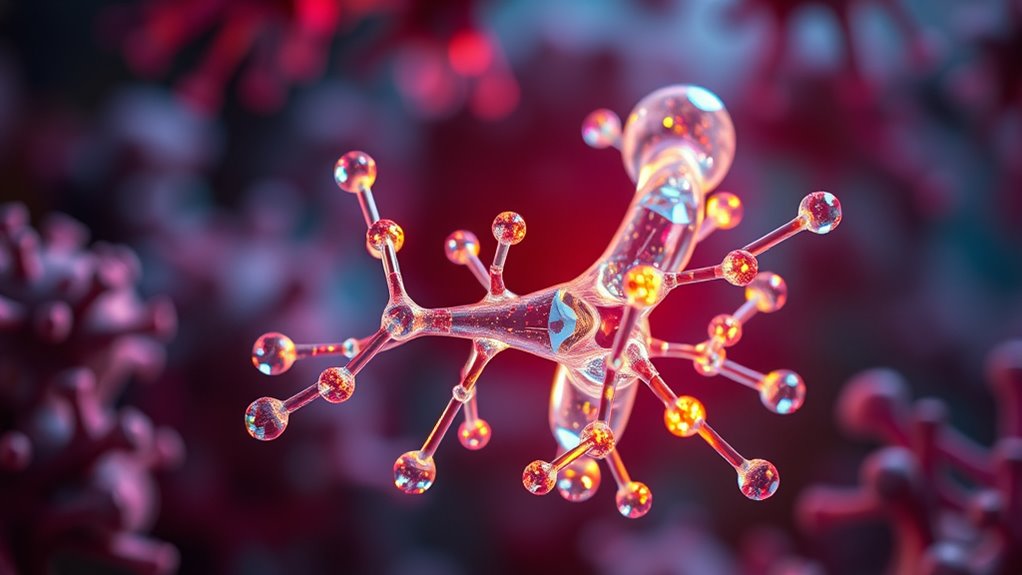
Antibody–drug conjugates (ADCs) are targeted cancer therapies that combine the specificity of monoclonal antibodies with the potent cell-killing ability of chemotherapy drugs. Their primary goal is to deliver toxic agents directly to cancer cells, minimizing damage to healthy tissue. Understanding how ADCs work involves grasping their mechanism of action and their therapeutic applications. When you administer an ADC, it first recognizes and binds to a specific antigen on the surface of cancer cells. This selectivity is what makes ADCs so effective—they seek out cancer cells while sparing normal ones, reducing side effects typically associated with traditional chemotherapy.
Once the ADC attaches to its target, the complex is internalized into the cancer cell through endocytosis. Inside, the linker connecting the antibody to the drug is cleaved, releasing the potent cytotoxic agent directly within the cancer cell. This targeted delivery guarantees that the chemotherapy drug exerts its effect precisely where it’s needed, leading to cell death. The mechanism of action relies heavily on this process: the antibody’s ability to recognize cancer-specific antigens guides the drug precisely to malignant cells, which then undergo apoptosis or other forms of cell death. This targeted approach enhances the efficacy of the treatment while reducing systemic toxicity. Additionally, advances in targeted therapy are continually improving the design and effectiveness of ADCs.
The therapeutic applications of ADCs are broad, mainly in treating various types of cancers such as breast, lung, and hematologic malignancies. They’re especially useful when traditional treatments have failed or when the cancer expresses specific antigens that ADCs can target effectively. For example, some ADCs are designed to target HER2-positive breast cancer, delivering a cytotoxic payload directly to the tumor cells and markedly improving patient outcomes. Because ADCs combine the precision of immunotherapy with the power of chemotherapy, they’re often used in cases where precision medicine is vital. They are also being explored for use in other cancers, expanding their role in oncology.
antibody drug conjugate research kit
As an affiliate, we earn on qualifying purchases.
As an affiliate, we earn on qualifying purchases.
Frequently Asked Questions
Can ADCS Target Multiple Cancer Types Simultaneously?
Yes, ADCs can target multiple cancer types simultaneously thanks to their multitarget capabilities. By designing antibodies to recognize different cancer-specific antigens, you can enhance their ability to attack various tumors. This approach increases treatment versatility and effectiveness, especially for cancers with diverse or overlapping biomarkers. However, ensuring cancer specificity remains essential to minimize damage to healthy cells and improve patient outcomes.
How Do ADCS Compare to Traditional Chemotherapy in Side Effects?
You’ll find that ADCs generally cause fewer side effects than traditional chemotherapy because they target cancer cells more precisely. This means better side effect management and improved patient quality of life. Unlike chemo, which affects healthy cells, ADCs deliver drugs directly to cancer, reducing collateral damage. As a result, you often experience less nausea, fatigue, and hair loss, making treatment more tolerable and comfortable.
Are There Specific Biomarkers for Predicting ADC Treatment Success?
You can identify specific biomarkers that serve as predictive indicators for ADC treatment success. Biomarker identification involves analyzing tumor samples to find molecules linked to better responses. These biomarkers help you determine which patients are most likely to benefit from ADC therapy, improving personalized treatment plans. By focusing on these predictive indicators, you enhance the chances of positive outcomes and reduce unnecessary side effects for those less likely to respond.
What Are the Challenges in Developing New ADCS?
Like forging Excalibur, developing new ADCs faces many challenges. You encounter manufacturing complexities, ensuring each conjugate is precise and consistent. Resistance mechanisms in tumors, akin to Hydra’s heads, can thwart effectiveness, requiring innovative strategies. Balancing potent payloads with safety, overcoming tumor heterogeneity, and steering regulatory hurdles add to the hurdles. You must innovate continually to turn this powerful weapon into a reliable treatment, much like a hero overcoming formidable foes.
How Long Do ADCS Typically Remain Active in the Body?
ADCs typically remain active in your body for days to weeks, depending on their pharmacokinetics duration. Their activity is influenced by metabolic pathways that break down the conjugates, affecting how long they stay effective. Factors like antibody stability, linker stability, and clearance rates determine their persistence. You can expect ADCs to have a variable duration, often requiring dosing adjustments based on their metabolic processing and clearance to optimize treatment efficacy.
Conclusion
By understanding how antibody–drug conjugates work, you realize it’s almost like nature’s own precision weapon—targeting cancer cells with remarkable accuracy. Coincidentally, as scientists refined these therapies, they uncovered new ways to harness the immune system, revealing a deeper connection between biology and medicine. This unexpected synergy hints at a future where treatments become even more personalized, blending science and serendipity to outsmart disease. In this dance of discovery, you see how chance and ingenuity shape healing.
Fall yard work Picks
leaf blowers
As an affiliate, we earn on qualifying purchases.