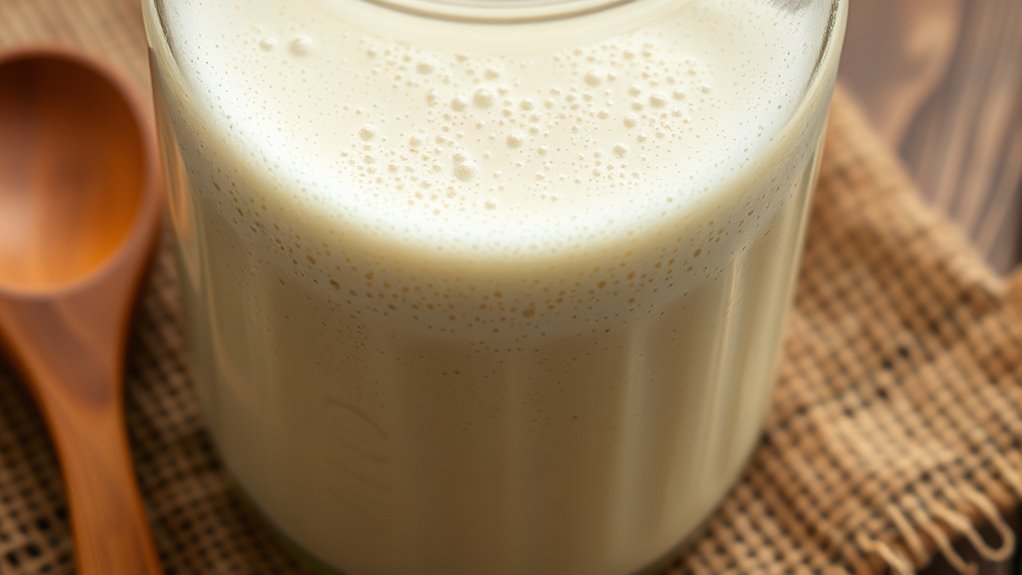

In sourdough, naturally occurring microbes like bacteria and wild yeasts activate during fermentation, creating a lively ecosystem that develops flavor and extends freshness. These microbes produce acids such as lactic and acetic acid, which give sourdough its tangy taste and act as natural preservatives. The complex interplay of these acids and microbes influences each loaf’s unique character. To discover how this dynamic process shapes your bread, explore further into the fascinating science behind sourdough fermentation.
Key Takeaways
- Wild microbes in sourdough produce acids like lactic and acetic acid during fermentation.
- Microbial diversity influences flavor complexity and unique characteristics of each loaf.
- Acids lower pH, inhibit spoilage microbes, and act as natural preservatives.
- Fermentation duration and conditions affect microbial community development and flavor evolution.
- Natural fermentation relies on wild microbes, showcasing biology’s role in flavor and preservation.
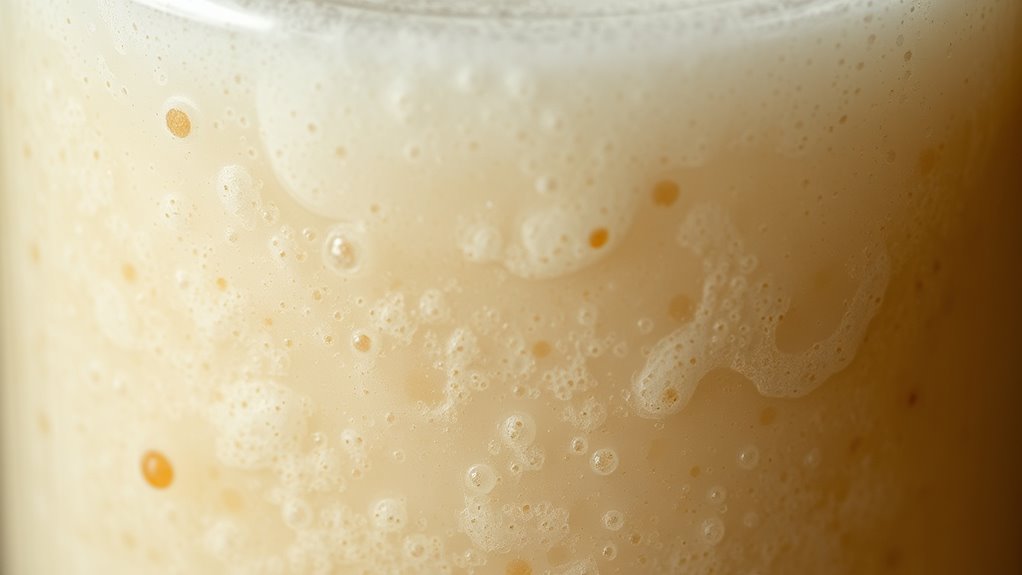
Have you ever wondered what makes sourdough bread so uniquely flavorful and chewy? The secret lies in the fermentation process, which transforms simple ingredients into a complex, tasty loaf. When you mix flour and water and let them sit, naturally occurring microbes begin to work their magic. This fermentation process is driven by a diverse community of microbes—bacteria and wild yeasts—that thrive in the dough. Their interactions produce acids, gases, and other compounds that develop the bread’s distinctive taste and chewy texture. The microbial diversity in sourdough is what sets it apart from commercial bread, which typically relies on added yeast and preservatives. In sourdough, the natural microbes create a symbiotic environment, breaking down starches and proteins, releasing flavor compounds, and giving the bread its characteristic tang.
The fermentation process begins when the wild yeasts and bacteria settle into the flour-water mixture. These microbes are naturally present on the flour’s surface and in the environment. As they consume sugars, they produce carbon dioxide, which causes the dough to rise, and acids, which give sourdough its signature tang. The process can take anywhere from several hours to a few days, depending on temperature, hydration, and the microbial activity. During this time, the microbial diversity shifts and evolves, influencing the final flavor. Different strains of bacteria and yeasts contribute unique characteristics, making each sourdough loaf subtly different. This diversity is essential because it results in a more complex flavor profile, with tangy, nutty, and even fruity notes emerging from the interplay of acids and other fermentation byproducts.
The acids produced during fermentation, mainly lactic and acetic acid, also act as natural preservatives, extending the bread’s shelf life. These acids lower the pH of the dough, creating an environment that discourages spoilage microbes. This natural preservation, combined with the unique flavor development, is why sourdough has been a staple for centuries. As you observe the fermentation process, you can see how the microbial diversity actively shapes the bread’s character—from the initial rise to the final tang. Every batch is a living ecosystem, a balance of microbes working together, and that’s what makes sourdough so special. The science behind its acids and microbes reveals a fascinating world where biology and baking come together, resulting in a bread that’s not only delicious but also a proof of natural fermentation’s power.

Complete Sourdough Starter Kit, Sourdough Bread Baking Supplies, Banneton Bread Proofing Basket with Sourdough Starter Jar, 9inch Round Bread Proofing Basket, for Bread Baking
- Sourdough Starter Jar Capacity: 700ml (24 oz) for 2-4 loaves
- Complete Baking Supplies: Includes starter jar, proofing basket, tools, and recipe book
- Ideal Gift for Bakers: Perfect for beginners and family baking
As an affiliate, we earn on qualifying purchases.
As an affiliate, we earn on qualifying purchases.
Frequently Asked Questions
How Do Different Flour Types Affect Sourdough Acidity?
Different flour types influence sourdough acidity by affecting grain protein levels and fermentation time. Higher protein flours, like whole wheat, provide more nutrients for microbes, leading to longer fermentation and increased acid production. Conversely, low-protein flours, like white bread flour, ferment faster with milder acidity. So, choosing your flour impacts not only flavor but also the fermentation process and resulting sourness of your sourdough loaf.
What Role Do Wild Microbes Play in Flavor Development?
Wild microbes play a vital role in flavor development by introducing unique fermentation byproducts that add complexity to your sourdough. As they work on the dough, they produce a variety of acids and aromatic compounds, enriching the flavor profile. By fostering these wild microbes through proper fermentation, you enhance your bread’s depth and character, making each loaf uniquely flavorful and more interesting than commercial starters.
Can Sourdough Fermentation Eliminate All Harmful Bacteria?
Sourdough fermentation acts like a vigilant guard, but it can’t eliminate all harmful bacteria. While it lowers the pH balance, creating an environment hostile to many pathogens, some bacteria can still survive. Microbial safety is enhanced, but not guaranteed. Proper baking temperatures and hygiene are essential. Trust sourdough to boost safety, but don’t rely solely on fermentation to eliminate every threat.
How Does Temperature Influence Acid Production in Sourdough?
Temperature effects profoundly influence acid production in sourdough. When you maintain a warmer environment, microbes become more active, increasing acid regulation and producing more lactic and acetic acids. Conversely, cooler temperatures slow down fermentation, resulting in less acid. You should monitor and control temperature carefully to achieve the desired sourness, as it directly impacts the flavor, texture, and overall quality of your sourdough bread.
Are There Health Benefits Linked to Specific Sourdough Acids?
You’ll benefit from specific sourdough acids, like lactic acid, which bolster probiotic effects and boost enzymatic activity. These acids promote gut health, enhance digestion, and support immune function. By eating sourdough, you’re not just savoring flavor but fueling your body with fermented goodness. Focus on these beneficial acids, and you’ll maximize your health benefits, harnessing the harmony of microbes and enzymes for a healthier, happier you.
Conclusion
Now that you understand the incredible science behind sourdough, you realize it’s more than just bread—it’s a living masterpiece of acids and microbes working in harmony. Every loaf you bake is a tiny miracle, a witness to nature’s genius that transforms simple ingredients into something extraordinary. So, next time you savor that tangy crust, remember you’re tasting a culinary marvel so profound, it could outshine the stars themselves.