
To keep your skin protected, you need to reapply sunscreen regularly because many active ingredients break down when exposed to sunlight, reducing effectiveness over time. Photostability refers to how well a sunscreen maintains its protective ability after UV exposure. If your sunscreen isn’t photostable, reapplying ensures continuous shield from harmful rays. Staying aware of these properties helps you maximize protection, and knowing more can help you make better choices for your skin health.
Key Takeaways
- Photostability ensures sunscreens maintain their UV protection after sun exposure, preventing degradation of active ingredients.
- Reapplication of photostable sunscreens sustains consistent UV defense throughout the day.
- Degraded, non-photostable sunscreens lose effectiveness, increasing skin exposure to harmful rays.
- Choosing photostable formulations reduces the need for frequent reapplication for protection.
- Reapplying helps reinforce the barrier, counteracting potential degradation and maintaining overall sunscreen efficacy.
Applying sunscreen once in the morning isn’t enough to stay protected throughout the day. The sun’s rays are relentless, and UV exposure can occur anytime you’re outside, whether it’s a quick walk or a full day at the beach. That’s why reapplying your sunscreen regularly is vital for maintaining effective UV protection. When you reapply, you’re not just topping off your sunscreen; you’re reinforcing a barrier that shields your skin from harmful ultraviolet rays. This ongoing protection helps prevent sunburns, premature aging, and skin damage. But it’s more than just applying more sunscreen—it’s about understanding how the product works over time and why reapplication is important.
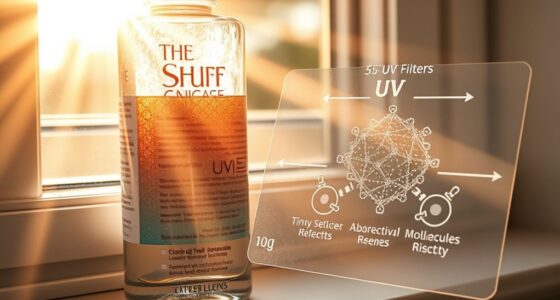
One important factor to bear in mind is how sunscreen’s photostability impacts its effectiveness. Photostability refers to a sunscreen’s ability to maintain its UV protection after exposure to sunlight. Many sunscreens contain active ingredients that can degrade when exposed to UV radiation, reducing their ability to protect your skin. When a sunscreen is photostable, it keeps working as intended, so you get consistent UV protection even after hours of sun exposure. If your sunscreen isn’t photostable, it may break down quickly, leaving your skin vulnerable. That’s why choosing a photostable product and reapplying it regularly guarantees you stay shielded from damaging rays.
Another vital aspect is skin hydration. Sunscreen can sometimes dry out your skin, especially if it contains alcohol or other drying agents. When your skin is well-hydrated, your skin barrier stays healthy and resilient, which helps your skin better withstand UV damage. Reapplying sunscreen isn’t just about UV protection; it’s also an opportunity to keep your skin hydrated. Look for sunscreens that include moisturizing ingredients like hyaluronic acid or glycerin, which help lock in moisture. Proper hydration supports your skin’s natural defenses and enhances the overall efficacy of your sunscreen. Additionally, earplugs designed for comfort and extended wear can help protect your ears from UV exposure during outdoor activities, emphasizing the importance of comprehensive sun safety. When you reapply, you’re not only renewing UV protection but also maintaining skin hydration, which promotes healthier, more resilient skin.
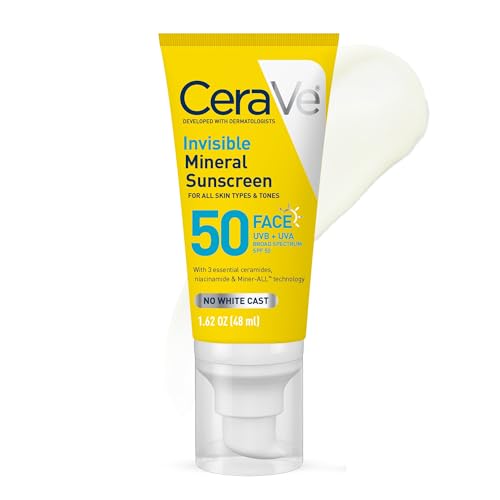
CeraVe Invisible Mineral Sunscreen SPF 50, Face Sunscreen, Travel Size
- Invisible Finish: Provides 100% invisible protection for all skin tones
- Broad Spectrum Protection: Protects against UVA and UVB rays
- Hydrating Primer: Can be used as a makeup primer
As an affiliate, we earn on qualifying purchases.
As an affiliate, we earn on qualifying purchases.
Frequently Asked Questions
How Does Photostability Affect Sunscreen Effectiveness Over Time?
Photostability directly impacts your sunscreen’s effectiveness over time by ensuring it maintains its protective qualities after sun exposure. During photostability testing, formulators check how well the ingredients hold up under UV light, which influences formulation stability. If the sunscreen isn’t photostable, its SPF can decrease quickly, leaving you unprotected. Regular reapplication becomes even more essential when the product’s photostability isn’t guaranteed, so your skin stays safe.
Are Mineral or Chemical Sunscreens More Photostable?
You’ll find mineral sunscreens generally more photostable than chemical ones because their formulation stability stays strong under sun exposure. Mineral ingredients like zinc oxide and titanium dioxide resist breaking down, minimizing ingredient interactions that can weaken protection. Chemical sunscreens, while effective initially, may degrade faster due to their susceptible formulation stability. So, if you want consistent sun defense, mineral options tend to hold up better over time.
Can Improper Storage Degrade a Sunscreen’s Photostability?
Improper storage can definitely degrade your sunscreen’s photostability. If you don’t keep it in a cool, dry place, heat and humidity can break down the active ingredients, reducing effectiveness. Exposure to sunlight or extreme temperatures accelerates ingredient stability loss, making your sunscreen less reliable. To maintain maximum protection, store your sunscreen properly, away from direct sunlight and heat, ensuring its ingredients stay stable and effective whenever you need it.
How Do Antioxidants Enhance Sunscreen Photostability?
Antioxidants enhance your sunscreen’s photostability by neutralizing free radicals generated when UV rays hit the skin. Their antioxidant mechanisms protect active ingredients from degrading, which helps maintain formulation stability. When antioxidants are properly incorporated, they prevent the breakdown of UV filters, ensuring your sunscreen remains effective longer. This not only boosts protection but also extends the product’s shelf life, giving you more reliable and lasting UV defense during sun exposure.
Does Photostability Vary With Different Skin Types?
Yes, photostability varies with different skin types. Your skin type influences how your sunscreen performs under sunlight; for example, oily or acne-prone skin may cause faster breakdown of some formulations, leading to photostability variation. You should choose sunscreens formulated for your skin type to guarantee maximum protection. Regular reapplication and using broad-spectrum options can help maintain consistent UV protection, regardless of your skin’s unique characteristics.
Conclusion
As the sun casts its relentless glow, remember that sunscreen isn’t a one-and-done shield. Reapplying creates a fresh barrier, like a new coat of armor against the fiery rays. Think of your skin as a canvas, constantly exposed to the bright, shifting light—reapply to keep it protected and radiant. With each refresh, you’re painting a strong, luminous shield that helps you enjoy the sunshine safely and confidently.