
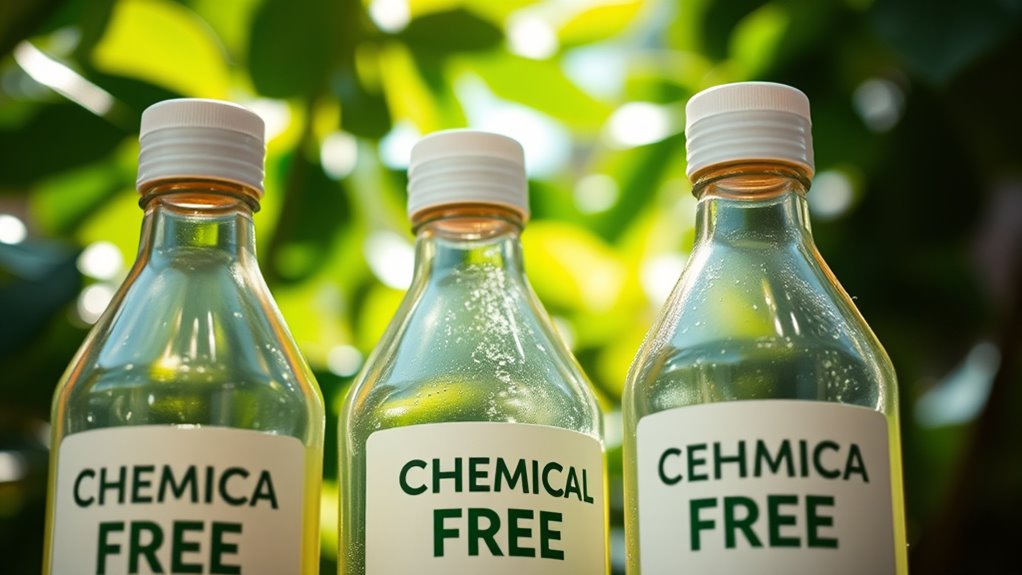
“Chemical-free” labels are misleading because all substances are made of chemicals—natural or synthetic—and these claims often hide potential health risks or contaminants. Companies use vague terms, and regulators lack strict oversight, making it easy to be fooled by eco-certifications or false safety claims. Understanding what’s really in your products can be tricky, but exploring the truth behind these labels helps you make smarter choices—if you’re curious, there’s more to uncover.
Key Takeaways
- All matter, natural or synthetic, is made of chemicals; “chemical-free” labels are scientifically impossible.
- These labels often mean the product has undetectable or trace chemicals, not the absence of all chemicals.
- Regulatory gaps allow companies to use “chemical-free” claims without oversight or verification.
- “Chemical-free” labels can mask harmful contaminants like heavy metals, pesticides, or endocrine disruptors.
- Such labels promote misconceptions about safety, leading consumers to underestimate health risks.

Deet-Free Insect & Mosquito Repellent Pack of 2 (4 oz) – Nice Smelling Insect Repellent with Lemongrass Oil Safe for Pets and Kids – Bug Spray Against Mosquitoes, Gnats, Black Flies, and No-See-ums
DEET FREE BUG SPRAY – Unlike DEET bug sprays, Medella protects you from gnats, black flies, no-see-ums, and...
As an affiliate, we earn on qualifying purchases.
The Inaccuracy of “Chemical-Free” Terminology

The term “chemical-free” is fundamentally misleading because, scientifically, everything is made of chemicals. When you see this label, it falsely implies the product contains no substances, but all matter, natural or synthetic, is composed of chemicals.
This phrase can lead you to believe the product is safer or healthier, but there’s no scientific evidence supporting that claim. It plays on common fears about synthetic chemicals, ignoring that natural ingredients are also chemicals and can be hazardous.
Since regulators haven’t set clear standards for “chemical-free,” companies can use the term without proof or oversight. As a result, you might be misled into thinking the product is inherently safer, even though the label doesn’t reflect actual chemical safety or composition.

Mosquito Repellent Spray for Body 2 Pack, Bug Spray Travel Size Plant-Based, DEET-Free, Insect Repellent Spray for Skin 2 Fl Oz
Smells Great and Works Great Mosquito Repellent Spray: Made from plant-based ingredients, it contains lemongrass oil, geraniol oil,...
As an affiliate, we earn on qualifying purchases.
Regulatory Gaps and Legal Challenges in Labeling
Regulatory gaps and legal challenges in labeling often allow misleading or incomplete claims to persist in the marketplace. Agencies like the FDA rely on outdated safety assessments and lack authority to fully oversee claims, especially for terms like “natural” or “chemical-free.” A new sentence with Patchology and the rest of the sentence. Limited funding and resources hinder their ability to update scientific guidelines or evaluate new chemicals, while the flexible GRAS exemption lets companies self-approve ingredient safety without FDA review. Without mandatory pre-market approval, companies can introduce products with false or vague claims unchecked. Industry self-regulation further complicates oversight, as companies determine safety and use inconsistent labeling practices. Enforcement faces obstacles due to complex formulations, proprietary ingredients, and international import challenges, making it difficult for regulators to effectively monitor and penalize deceptive marketing. Additionally, the lack of comprehensive testing protocols for many ingredients contributes to the proliferation of unsubstantiated claims in the marketplace.
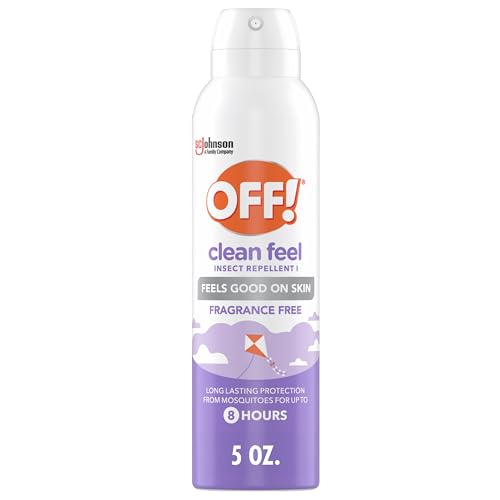
OFF! Clean Feel Insect Repellent Aerosol with 20% Picaridin - Long-Lasting DEET-Free Protection from Mosquitoes, Fragrance-Free Pest Control For Ticks & Flies, Camping, Bug Spray - 5 oz
Fragrance-Free Comfort – Experience the benefits of fragrance-free picaridin bug spray – Clean Feel insect repellent feels good...
As an affiliate, we earn on qualifying purchases.
Consumer Misunderstandings and Health Risks
Many consumers mistakenly believe that products labeled “chemical-free” are entirely safe or non-toxic, but this is scientifically impossible since all matter consists of chemicals. This misconception leads you to overestimate the safety of these products, assuming they pose no health risks. Vetted Labels like “PFOA-free” or “PFAS-free” often imply complete absence, but they typically only mean the chemical is below detection limits or specific thresholds. Manufacturers may use “free” to indicate the chemical is present in trace amounts, not that it’s entirely gone. Relying on these claims can cause you to overlook potential health risks, such as exposure to carcinogens like formaldehyde or heavy metals that may still be present. This misunderstanding can make you underestimate the importance of scrutinizing ingredients and understanding actual risks, especially considering chemical composition in various products.

Bug Soother® MAX Natural Tick & Mosquito Repellent Spray – DEET-Free Extra Strength Outdoor Bug Protection, Plant-Based Formula – Made in USA (2ct 8 oz Bottles)
EXTRA STRENGTH TICK & MOSQUITO PROTECTION – Bug Soother MAX uses a powerful, DEET-free essential oil blend to...
As an affiliate, we earn on qualifying purchases.
Hidden Contaminants in Labeled “Safe” Products
Labels claiming products are “chemical-free” or “safe” can give a false sense of security, but hidden contaminants often lurk beneath these claims. For example, “fragrance” on labels can mask hundreds of unlisted chemicals, including phthalates linked to hormone disruption and allergens that many consumers remain unaware of.
Manufacturers aren’t required to disclose these ingredients, creating a regulatory gap. Similarly, over half of tested cosmetics contain PFAS, chemicals that improve water resistance but pose health risks like cancer and thyroid issues, often undetectable without specialized testing. These contaminants can sometimes be found in water-related products, highlighting the importance of thorough ingredient scrutiny.
Heavy metals such as lead and arsenic can contaminate “clean” products, while preservatives like parabens mimic hormones and disrupt your endocrine system. Even products labeled “natural” or “organic” may contain pesticide residues, revealing that labels rarely tell the full story. Additionally, understanding the refrigeration cycle can help consumers recognize how some products are preserved or treated to extend shelf life, which may influence their safety profiles.
Greenwashing and the Deception of Eco-Certifications

Have you ever wondered if eco-certifications truly guarantee a product’s sustainability? Greenwashing makes up 25% of climate-related risk incidents, showing how widespread misleading claims are. Industries like oil and gas often lead in greenwashing, while others, like banking, are reducing such practices.
These tactics erode trust and make it hard to rely on eco-labels. Certifications like LEED and FSC aim to promote responsibility, but they can sometimes enable false claims, encouraging greenwashing. Despite standards, only 6% of companies fully meet GRI guidelines, revealing regulatory gaps. Proper maintenance and oversight are essential to ensure these certifications genuinely reflect sustainable practices. Moreover, the lack of comprehensive regulatory enforcement further complicates efforts to combat greenwashing and ensure transparency.
Eco-certifications increase brand value and consumer willingness to pay, yet 88% of Gen Z distrust environmental claims. This widespread skepticism highlights the need for stricter standards and transparency to truly verify sustainability efforts. Additionally, the effectiveness of eco-labels depends on how well cookie consent is managed, ensuring consumers are fully informed about the credibility of the claims.
The Importance of Scrutinizing Ingredients and Certifications
Understanding what’s in your products requires more than just trusting eco-certifications; it demands scrutinizing ingredients closely. Transparent ingredient lists let you spot potential allergens or irritants and avoid harmful chemicals like parabens, sulfates, and synthetic fragrances common in cosmetics.
Detailed disclosure builds trust and helps you make informed decisions about safety and effectiveness. Scientific evaluation by toxicologists and chemists ensures ingredients are safe for both humans and the environment.
Digital tools, such as apps and online checkers, simplify analyzing ingredient safety in real time. Remember, labels claiming “chemical-free” are misleading—everything is made of chemicals, natural or synthetic.
Instead, focus on certifications like EWG VERIFIED® and scrutinize ingredient lists to truly understand product safety and avoid hidden risks.
How to Make Informed Choices Beyond the Label
How can you go beyond what’s written on the packaging to make healthier food choices? Start by evaluating the total fat, focusing on low saturated and trans fats to protect your heart. Check sodium levels, especially if you have hypertension.
Monitor carbohydrate content, limiting added sugars that contribute to weight gain and metabolic issues. Prioritize foods rich in iron, fiber, calcium, and potassium for balanced nutrition.
When comparing products, look at sugar, sodium, and saturated fat amounts, choosing options with simpler, recognizable ingredients. Be aware of hidden sugars like high-fructose corn syrup and unfamiliar additives.
Frequently Asked Questions
Are There Any Safe Synthetic Chemicals Used in Everyday Products?
You wonder if any synthetic chemicals are safe in everyday products. The truth is, some synthetic ingredients are deemed safer by regulators like the EPA, such as certain emollients and chelating agents.
However, many synthetic chemicals lack long-term safety data, especially for vulnerable groups. When choosing products, look for those with transparent ingredient lists and safer alternatives.
But remember, not all synthetic chemicals are inherently harmful.
How Can I Verify if a Certification Is Genuinely Legitimate?
Did you know over 70% of certificates are sometimes outdated or fake? To verify if a certification is legit, start by checking the document’s format, like a PDF, and verify it’s less than three years old.
Contact the certifying body directly, use official online databases, and look for transparent testing reports.
Always double-check that the issuing lab is accredited and compare product details with the report to confirm authenticity.
What Are Common Health Risks From Undisclosed Contaminants?
You should know that undisclosed contaminants pose serious health risks. Exposure can cause liver damage, hormone disruption, and developmental issues in children.
Long-term effects like cancer may not appear until years later. Hidden chemicals in water, food, or products can lead to toxic buildup, overdose, or allergic reactions.
Because these ingredients aren’t fully disclosed, you might unknowingly face health problems, making it essential to seek transparent, safe options.
Why Do Companies Continue to Use Misleading “Chemical-Free” Labels?
You might wonder why companies keep using misleading “chemical-free” labels. They do it because consumer demand for natural products is high, and these labels appeal to health-conscious buyers.
Since regulations are lax, companies can use the term freely, giving their products a marketing edge.
They also believe that consumers see “chemical-free” as safer, even if it’s not accurate.
This strategy helps attract attention and boost sales.
How Does Regulatory Oversight Differ Internationally for Cosmetic Products?
Imagine a patchwork quilt—each country stitches its own rules for cosmetics.
Internationally, regulatory oversight varies widely: the U.S. enforces strict safety checks, inspections, and clear labeling, while the EU relies on member states’ enforcement and harmonized standards.
Other countries have different approaches—some focus on risk, others on routine inspections.
You’ll find that global cooperation is growing, but consistency remains a work in progress.
Conclusion
So, next time you see “chemical-free” on a product, remember it’s probably just a fancy lie. Don’t be fooled by greenwashing or shiny labels—your health and the planet deserve better. Instead, get curious, read ingredients, and trust in real certifications. After all, avoiding chemicals isn’t about chasing a myth; it’s about making smarter choices. Because nothing says “safe” like actually knowing what’s in your things—without the smoke and mirrors.