
Filters clog because debris and particles in your fluid or air settle on the surface, forming dense cake layers over time. Initially, a thin film traps larger contaminants, but as more debris builds up, the layer thickens, blocking flow and increasing pressure. This buildup reduces filtration efficiency and can strain your system. If you want to understand how to prevent and manage cake formation effectively, there’s more to discover below.
Key Takeaways
- Particles in the fluid or air accumulate on the filter surface, forming a dense cake over time.
- The initial thin layer traps large contaminants, but continued buildup thickens the cake.
- Thickened cake layers increase resistance, reducing flow and causing pressure drops.
- Reduced flow and pressure issues indicate filter clogging and loss of efficiency.
- Regular maintenance, cleaning, or replacement prevents excessive cake formation and filter failure.
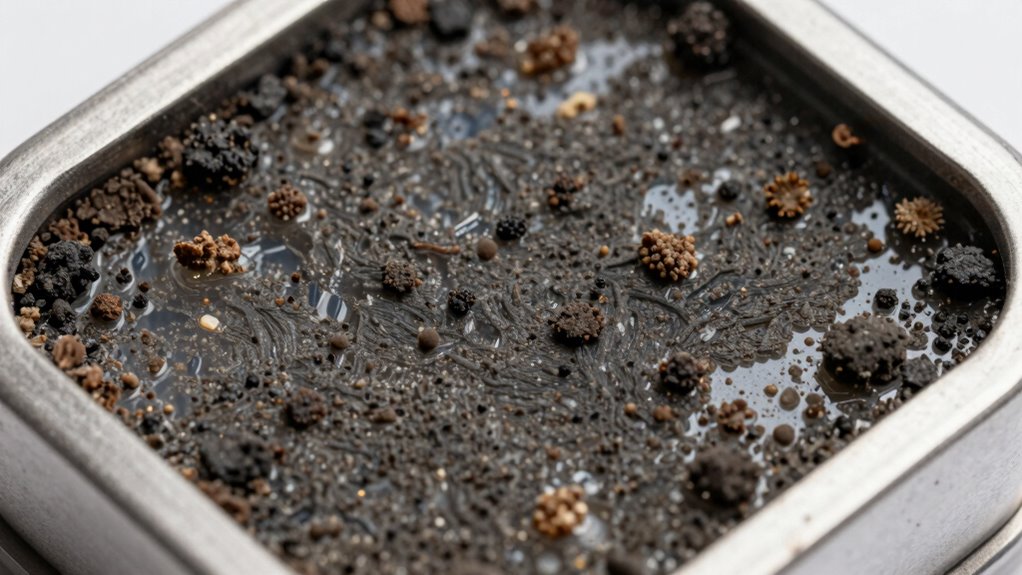
Filters can quickly become clogged and develop cake layers, reducing their effectiveness and increasing maintenance needs. When this happens, your filtration efficiency drops, making it harder for your system to remove contaminants effectively. As a busy person, you don’t have time to deal with frequent filter replacements or complex cleaning routines. That’s why understanding why filters clog and how to manage cake formation is vital. Proper maintenance strategies can prevent costly downtime and keep your equipment running smoothly.
Cake formation occurs when particles suspended in the fluid or air being filtered accumulate on the filter surface. Over time, these particles build up, creating a dense layer that acts as an additional barrier, reducing the flow rate and filtration efficiency. This cake layer initially forms as a thin film that traps larger contaminants, but as more debris collects, it thickens and becomes more difficult to remove. If left unchecked, this buildup can cause pressure drops, strain your system, and lead to filter failure. Recognizing the signs of clogging early can help you implement timely maintenance strategies, saving you money and hassle.
To maintain peak filtration efficiency, it’s essential to adopt effective maintenance strategies. Regular inspection is key; check filters frequently for visible signs of clogging or increased pressure drops. Many systems have pressure gauges or differential pressure indicators that alert you when cleaning is needed. Cleaning methods will vary depending on the filter type—some can be backwashed or rinsed, while others require replacement. In some cases, pre-filtration or installing a more robust filter media can help reduce debris load, prolonging the lifespan of your main filters. Understanding filter cake formation is also crucial for developing effective cleaning routines and choosing the right filters for your needs.
Implementing a routine cleaning schedule tailored to your system’s specific use and environment can greatly reduce cake buildup. Using appropriate cleaning agents and techniques ensures that you don’t damage the filter media, which could compromise filtration efficiency. Additionally, integrating a filtration maintenance plan that includes regular replacements based on manufacturer guidelines helps you avoid unexpected failures. Investing in high-quality filters with better cake release properties can also make your maintenance easier and extend intervals between cleanings.
Frequently Asked Questions
How Can I Prevent Filter Clogging in the First Place?
To prevent filter clogging, start with proper filter selection suited to your system’s needs. Regular maintenance scheduling is key; check and replace filters before they become overly dirty. Keep an eye on pressure gauges or flow rates, which can signal clogging. By choosing the right filter and maintaining a consistent schedule, you’ll minimize buildup and guarantee your system runs smoothly without interruptions or costly repairs.
Are There Specific Filters Better Suited for High-Viscosity Liquids?
Yes, for high-viscosity liquids, you should choose filters with materials designed for thicker fluids, like those made from sturdier, heat-resistant polymers or metal. Viscosity considerations are essential because they determine flow rate and clogging risk. Opt for filters with larger pore sizes or specialized filter media that can handle the increased resistance. This guarantees efficient filtration while minimizing clogging and maintenance, saving you time and effort.
How Often Should I Replace or Clean My Filters?
Think of your filter as a sponge soaking up debris—you’ll need to squeeze it out regularly. You should replace or clean your filters based on their filter lifespan and your specific usage. Generally, check your cleaning schedule every few weeks, or sooner if flow drops or pressure rises. Regular maintenance keeps your system running smoothly, preventing clogs and extending filter life, so it’s always ready when you need it.
What Are Signs That a Filter Is About to Clog?
You’ll notice filter warning signs like reduced airflow, increased energy bills, or strange noises, which are clear clog indicators. If your system takes longer to work or your filter looks visibly dirty, it’s a sign you need to check for potential clogs. Pay attention to these clog indicators, as catching them early helps prevent further damage and keeps your system running smoothly.
Can Improper Filter Maintenance Cause Damage to Equipment?
Neglecting proper filter maintenance can cause serious equipment damage, shortening its lifespan dramatically. If you skip your maintenance checklist, debris and dirt build-up can strain your system like a weight that’s impossible to bear. This overload can lead to overheating, leaks, or even complete failure. Regular upkeep guarantees your filters stay efficient, protecting your equipment from costly repairs and extending their lifespan, saving you time and money in the long run.
Conclusion
Like Pandora’s box, filters can quickly become overwhelmed when too much debris builds up, turning them into a cake of trouble. But don’t worry—you now know the secrets behind clogging and cake formation. Keep an eye on your filters, clean them regularly, and they’ll serve you well, much like a trusty ship steering stormy seas. Stay vigilant, and your filters won’t become a mythic monster—just a reliable ally in your daily routine.