
Food preservatives stop spoilage by slowing or stopping microbial growth like bacteria, yeasts, and molds that cause decay. They work in different ways: artificial preservatives like sulfites and nitrates create inhospitable environments, while natural ones like salt, sugar, and vinegar dehydrate microbes or acidify the environment. Because of their effectiveness and safety considerations, both types are widely used. If you want to understand how these methods compare and their impacts, keep exploring further.
Key Takeaways
- Food preservatives inhibit microbial growth, preventing bacteria, yeasts, and molds from causing spoilage.
- Artificial preservatives like sulfites and benzoates create environments hostile to microbes.
- Natural preservatives such as salt, sugar, and vinegar dehydrate or acidify foods to inhibit microbial activity.
- Preservatives extend shelf life by slowing oxidation and enzymatic reactions that lead to spoilage.
- Combining preservation methods helps ensure food safety and maintain quality over time.
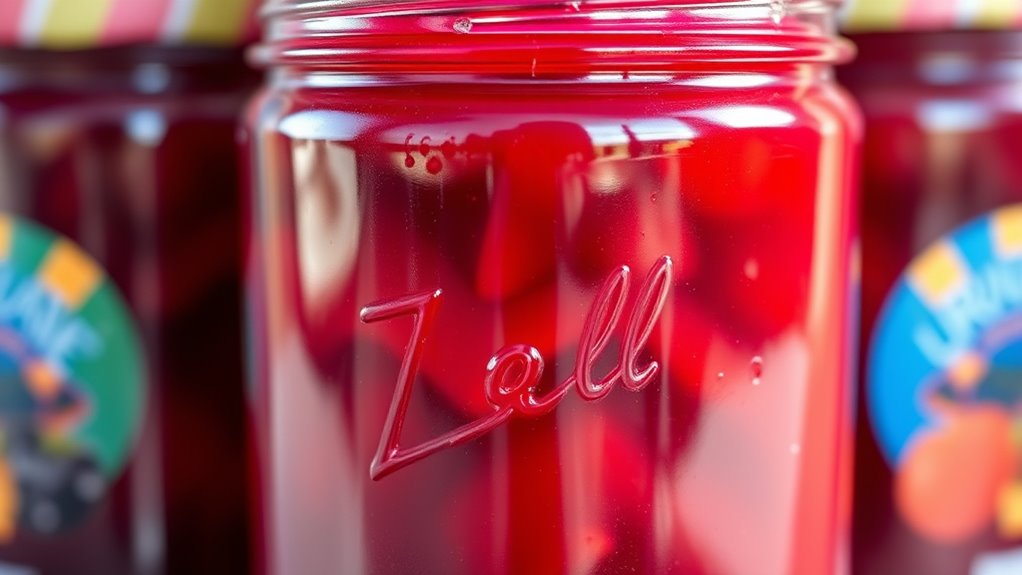
Have you ever wondered how your favorite foods stay fresh for longer? It’s pretty fascinating how food preservation works behind the scenes to keep your snacks, fruits, and meals safe to eat. One key factor is the use of preservatives, which help prevent spoilage caused by bacteria, yeasts, molds, and other microorganisms. These preservatives fall into two main categories: artificial additives and natural preservatives. Both are designed to extend shelf life, but they do so in different ways.
Artificial additives are synthetic chemicals specifically created to inhibit microbial growth and oxidation. You might recognize some of these from ingredient lists—things like sulfites, benzoates, or nitrates. They act quickly and effectively, creating an environment where harmful bacteria and molds struggle to survive. For example, sulfites are often used in dried fruits and wine to prevent browning and spoilage. While these additives are reliable and widely used, some people prefer to avoid them due to concerns about potential health effects or allergies. That’s where natural preservatives come into play. Natural preservatives are substances derived from natural sources—think of salt, sugar, vinegar, or certain plant extracts. They work by creating inhospitable environments for microbes or by actively fighting off bacteria through their natural properties. For instance, salt and sugar dehydrate bacteria, making it difficult for them to thrive, which is why they’ve been used for centuries in curing meats and preserving jams. Vinegar’s acetic acid provides an acidic environment that inhibits microbial growth, making it a common component in pickling.
Additionally, research into food preservative safety continues to evolve, influencing consumer preferences and industry standards. Natural preservatives often appeal to consumers seeking minimally processed foods or those with sensitivities to artificial additives. They’re generally perceived as safer, but they can sometimes be less potent or have limitations in certain applications. For example, while vinegar works well in pickles, it might not be suitable for all types of food preservation. On the other hand, artificial additives tend to be more stable and consistent in their effectiveness, which is why they’re common in mass-produced foods. However, ongoing debates about food safety and health have increased interest in natural options, prompting food manufacturers to explore and develop preservative methods that align with consumer preferences.
Frequently Asked Questions
Are Natural Preservatives Safer Than Synthetic Ones?
Natural preservatives are generally safer than synthetic ones because they come from natural sources and often have fewer health risks. When you compare synthetic preservatives to natural alternatives, you’ll notice that natural options like vinegar, salt, or citrus tend to be gentler on your body. While synthetic preservatives are effective, choosing natural ones can reduce potential side effects and support healthier eating habits.
How Do Preservatives Affect Food Flavor and Texture?
Preservatives can positively impact your food by promoting flavor retention and texture preservation. You might notice that preservatives help keep your snacks soft or crunchy, and maintain their delicious taste longer. However, some preservatives may cause subtle shifts in flavor or alter texture slightly, making foods less fresh over time. By understanding these effects, you can make smarter choices for satisfying snacks that stay flavorful and textured just how you like them.
Can Preservatives Cause Allergies or Health Issues?
Preservative allergies and health risks are possible, especially if you’re sensitive to certain chemicals like sulfites or benzoates. You might experience symptoms like headaches, skin rashes, or breathing difficulties. Always check food labels for preservatives, and if you notice adverse reactions, consult a healthcare professional. While most people tolerate preservatives well, being aware of preservative allergies helps you avoid potential health risks and make safer food choices.
Are Preservatives Used in Organic Foods?
While organic foods often seem untouched by preservatives, some do contain approved natural preservatives under strict organic certification standards. You’ll find that preservative regulations limit synthetic additives, but natural options like vinegar or lemon juice are used to extend shelf life. So, even in organic products, preservatives are present, but they’re carefully regulated to guarantee they meet organic certification guidelines, helping you enjoy fresh, minimally processed foods confidently.
How Long Do Preservatives Typically Extend Food Shelf Life?
Preservatives typically extend food shelf life by weeks or even months, depending on the preservation methods used. You can expect shelf life extension from a few days to several months, especially with effective preservatives like nitrates or natural options like vinegar. Factors like storage conditions also influence how long your food stays fresh. Overall, preservatives are designed to substantially slow spoilage, giving you more time to enjoy your food safely.
Conclusion
Understanding how food preservatives work is like revealing a secret weapon against spoilage. By preventing bacteria and mold from taking hold, they help your food stay fresh longer and reduce waste. With preservatives acting as vigilant guardians, you can enjoy your favorite foods without worry. Just remember, like a well-trained guard dog, they keep spoilage at bay, ensuring your meals remain safe and delicious. Embrace their quiet protection and savor every bite with confidence.