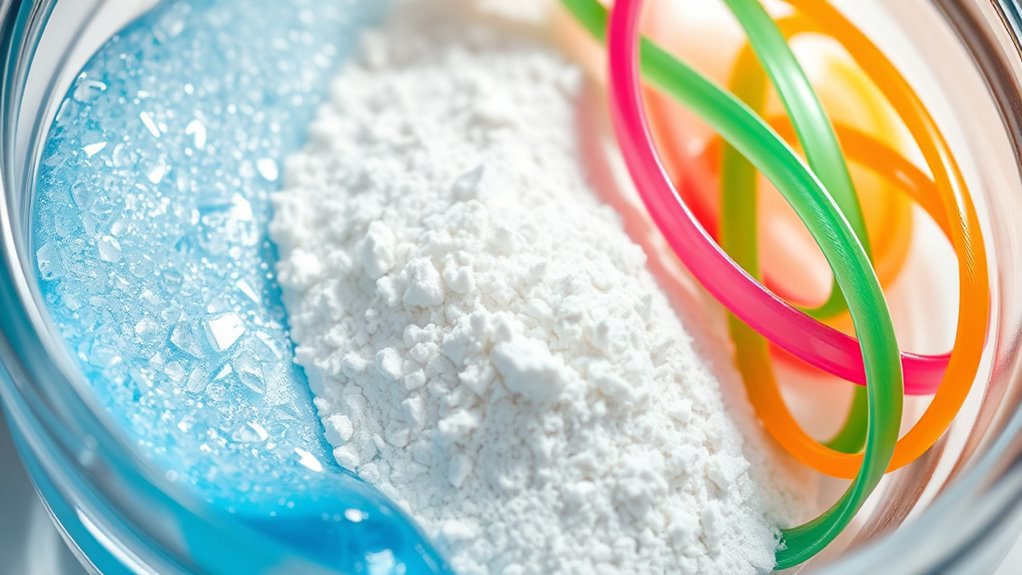

Toothpaste contains key ingredients like fluoride, abrasives, and flavors that work together to clean and protect your teeth. Fluoride strengthens enamel and fights cavities, while abrasives gently scrub away plaque and surface stains. Flavors like mint or citrus make brushing more pleasant and encourage regular use. Some toothpastes also include natural ingredients and alternative flavorings. Understanding these components can help you choose the right product—so keep exploring to learn more about what keeps your smile healthy.
Key Takeaways
- Fluoride is essential in toothpaste for strengthening enamel and preventing cavities by resisting acid attacks.
- Abrasives like silica and calcium carbonate clean surface stains and plaque without damaging enamel when properly calibrated.
- Flavors such as mint or citrus enhance taste and freshness, encouraging regular brushing habits.
- Natural ingredients like herbal extracts and essential oils are used as alternatives to synthetic flavors and additives.
- The selection of ingredients impacts toothpaste effectiveness, safety, and suitability for sensitive teeth or gums.
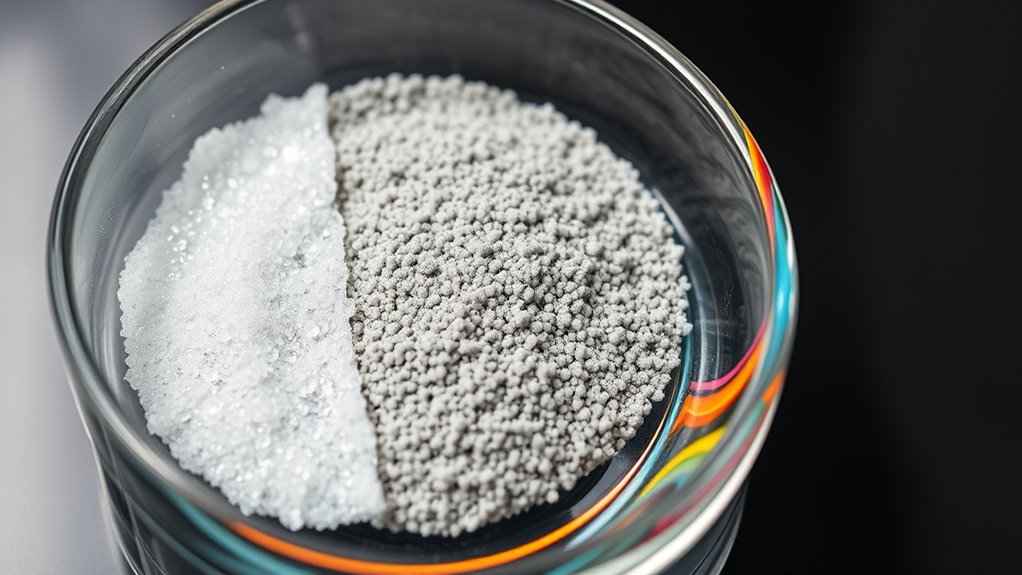
Toothpaste ingredients play a crucial role in keeping your smile healthy and fresh. When choosing a toothpaste, it’s important to understand what’s inside and how those ingredients work together to protect your teeth and gums. One of the key components is fluoride, a mineral that strengthens enamel and helps prevent cavities. Fluoride is widely recommended by dental professionals because it actively fights tooth decay, making your teeth more resistant to acid attacks from plaque bacteria and sugary foods. However, some people prefer natural alternatives that avoid synthetic chemicals, opting for toothpastes with herbal extracts, charcoal, or other plant-based ingredients. These natural options often exclude artificial preservatives, dyes, and certain cosmetic additives, which some individuals find more gentle or less irritating. While natural alternatives can be effective, it’s essential to guarantee they still contain fluoride if cavity prevention is a priority.
A major part of your toothpaste’s formulation is the use of abrasives, which help scrub away plaque and surface stains. These abrasives, often made from silica, calcium carbonate, or hydrated alumina, are carefully calibrated to remove debris without damaging your enamel. As you brush, these ingredients work to polish your teeth, revealing a brighter smile. Some toothpaste brands incorporate cosmetic additives—such as whitening agents or flavoring compounds—to enhance the visual appeal and taste. These additives make brushing a more pleasant experience, encouraging regular use. However, be cautious if you have sensitive teeth or gums, as certain abrasives or cosmetic additives might cause irritation or wear down enamel over time if used excessively.
Flavorings are another essential ingredient, making your brushing experience more enjoyable. Common flavors like mint, spearmint, or citrus provide a fresh sensation and help mask any unpleasant tastes from other ingredients. Some toothpaste formulas include natural essential oils, such as tea tree or eucalyptus, as alternatives to synthetic flavorings. These natural flavors not only freshen your breath but may also offer added antimicrobial benefits. The choice of flavoring can influence how often you want to brush, so selecting a toothpaste with a flavor you enjoy can promote better oral hygiene habits. Be aware, though, that some flavored toothpastes contain artificial sweeteners or cosmetic additives that may not suit everyone, especially those seeking more natural or hypoallergenic options.
Frequently Asked Questions
Are Natural Toothpastes Safer Than Conventional Ones?
Natural toothpastes can be safer than conventional formulations because they often contain natural ingredients that are gentler on your mouth. However, they may lack fluoride, which helps prevent cavities, so you should consider your dental needs. Always check ingredient labels and consult your dentist if you’re unsure. While natural options appeal to those seeking fewer chemicals, both types can be effective when used correctly, depending on your oral health goals.
Can Toothpaste Ingredients Cause Allergic Reactions?
Yes, toothpaste ingredients can cause allergic reactions if you’re sensitive. You might not recognize it, but ingredient sensitivities vary, and some components like flavors or preservatives could trigger allergic reactions. Always read labels carefully, especially if you notice irritation or discomfort after brushing. If you suspect an allergy, switching to hypoallergenic toothpaste may help prevent these reactions and ensure your oral health without worry.
How Do Abrasive Levels Differ Among Toothpaste Brands?
You’ll notice abrasive levels vary among toothpaste brands based on abrasive particle size and material types. Some use finer particles like hydrated silica, providing gentle cleaning, while others incorporate coarser abrasives like calcium carbonate for more scrubbing power. Always check the label for the abrasive material type and particle size to find a toothpaste that suits your sensitivity and cleaning needs, especially if you have enamel concerns or sensitive gums.
Is Fluoride Harmful if Swallowed in Small Amounts?
Swallowing fluoride in small amounts from toothpaste usually isn’t harmful, but it can pose dental health risks if you do it frequently. While a tiny swallow now and then isn’t a big concern, swallowing larger amounts regularly might lead to dental fluorosis or other health issues. To avoid these risks, use only a pea-sized amount of toothpaste and spit it out thoroughly, especially for children.
Do Toothpaste Flavors Contain Artificial Additives?
Yes, toothpaste flavors often contain artificial flavorings to make brushing more pleasant. These additives can sometimes raise preservative concerns, especially for people with sensitivities or allergies. While generally safe in small amounts, it’s good to be aware of the ingredients in your toothpaste. If you’re concerned about artificial flavorings or preservatives, look for natural or organic options that use plant-based flavorings instead.
Conclusion
Now you see how fluoride, abrasives, and flavors work together to keep your smile bright. Remember, just like the ancient Egyptians valued their pearly whites, your choice of toothpaste plays a crucial role in your oral health. So, pick wisely and brush regularly. With a bit of time and care, you’ll enjoy a dazzling grin that even Cleopatra would envy. After all, your smile’s worth more than the treasures of King Tut’s tomb.