Water-based adhesives deliver strong bonding performance without relying on solvents, making them an eco-friendly choice. They emit fewer volatile organic compounds and toxic chemicals, helping you maintain a healthier environment and better indoor air quality. These adhesives are easy to apply, dry quickly, and require less cleanup. Their effectiveness on various surfaces depends on proper application and curing. For a closer look at how they outperform traditional options, keep exploring the benefits of water-based adhesives.
Key Takeaways
- Water-based adhesives effectively bond surfaces with fewer toxic chemicals, ensuring safety without solvents.
- They dry quickly and develop strong bonds when proper pressure and curing conditions are maintained.
- These adhesives emit lower VOCs, improving indoor air quality and reducing environmental impact.
- Application methods like brushing, rolling, and spraying allow versatile use across projects.
- Proper surface preparation and adherence to manufacturer instructions optimize performance and durability.

Water-based adhesives are becoming increasingly popular because they offer an environmentally friendly alternative to solvent-based glues. These adhesives are designed to perform effectively while reducing harmful emissions, making them a smarter choice for both your projects and the planet. When you opt for water-based adhesives, you’re choosing a product that markedly minimizes volatile organic compounds (VOCs), which are typical in traditional solvent-based glues. This shift not only benefits indoor air quality but also aligns with sustainable practices, reducing your carbon footprint. The environmental benefits of water-based adhesives are clear—they contain fewer toxic chemicals, are easier to clean up, and pose less risk to users and the environment. This makes them ideal for applications where safety and eco-consciousness are top priorities.
Applying water-based adhesives is straightforward once you understand their application methods. Generally, you start by ensuring the surfaces you’re bonding are clean, dry, and free of dust or grease. You can apply these adhesives using brushes, rollers, or spray equipment, depending on the size and nature of your project. Small repairs or crafts might only require a brush for precise application, while larger projects could benefit from a roller or spray for efficiency and even coverage. Because water-based adhesives dry relatively quickly, you should work within the recommended open time—this is the window during which the adhesive remains tacky enough to bond effectively. When applying, spread the glue evenly to avoid weak spots or excess that could cause messes or longer drying times. Additionally, the improved color fidelity of water-based adhesives can help ensure your finished project looks vibrant and true to color.
Once applied, water-based adhesives typically require a certain amount of pressure to ensure a strong bond, especially on porous surfaces like wood or paper. You might use clamps, weights, or pressing tools to hold the materials together during the curing process. Drying times vary depending on the thickness of the application and environmental conditions like temperature and humidity, but generally, they cure faster than solvent-based glues. During application, it’s crucial to follow the manufacturer’s instructions regarding drying times and curing conditions to maximize bond strength.
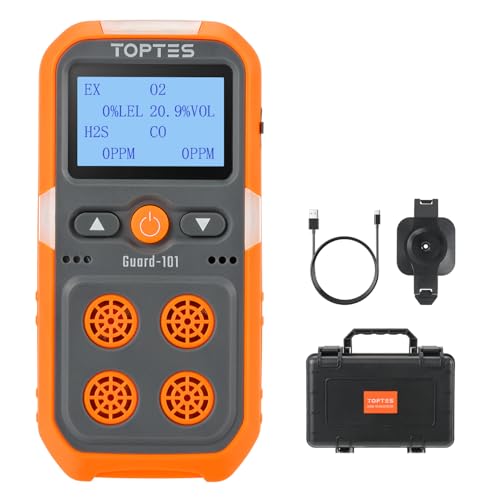
TopTes Guard-101 Gas Detector, 4 Gas Monitor for H2S, CO, LEL and O2, with Vibration, Visual and Audible Alarms, 14h Long Battery Life, Safety Explosion-Proof, for Work, Home - Orange
Quick Detection, Safety First: Guard-101 4 gas monitor multi gas detector is designed for rapid detection of 4...
As an affiliate, we earn on qualifying purchases.
Frequently Asked Questions
How Long Do Water-Based Adhesives Typically Last?
Water-based adhesives typically last about 6 months to a year, depending on storage stability. You should store them in a cool, dry place to maintain their durability lifespan. Proper sealing and avoiding contamination can extend their shelf life. If the adhesive becomes thick or develops an unpleasant smell, it’s a sign that it’s nearing its end. Regularly check your supplies to guarantee peak performance and longevity.
Are Water-Based Adhesives Suitable for Outdoor Applications?
Think of water-based adhesives as delicate flowers in a harsh storm—they can struggle outdoors. While they offer eco-friendly benefits, their UV resistance isn’t strong enough for prolonged outdoor exposure. To maximize their performance, you need thorough surface preparation, ensuring surfaces are clean and dry. With proper prep, they can handle short-term outdoor tasks, but for long-term durability, consider adhesives specifically designed for outdoor use.
What Are Common Environmental Impacts of Water-Based Adhesives?
You should know that water-based adhesives have some environmental impacts, like VOC emissions during manufacturing and application, which can contribute to air pollution. Additionally, water runoff containing residual chemicals might contaminate nearby water sources. While these adhesives are generally safer than solvent-based ones, it is crucial to manage application carefully to minimize VOC emissions and prevent water runoff, protecting both air and water quality.
Can Water-Based Adhesives Be Used on Non-Porous Surfaces?
Think of water-based adhesives as a key that doesn’t always fit every lock. You can use them on non-porous surfaces, but you might face adhesion challenges. Non-porous compatibility varies, so guarantee proper surface preparation for better bonding. While they work well on porous materials, their performance on non-porous ones can be inconsistent, making it essential to test or choose a more suitable adhesive for those surfaces.
How Do Water-Based Adhesives Compare in Cost to Solvent-Based Options?
You’ll find that water-based adhesives generally cost less than solvent-based options, mainly due to lower manufacturing expenses and simpler raw materials. Their production process is more straightforward, which helps keep prices down. While solvent-based adhesives might offer certain performance benefits, water-based options are a cost-effective choice for many applications, especially when considering overall cost comparison and the potential savings in manufacturing expenses.

Electromagnetic Diaphragm Metering Pump, Industrial-Grade Polypropylene Chemical Metering Pump, Water Treatment Liquid Weak Acid Chemical Chlorine Self-Priming Pump (6LPH 5bar)
Manually adjustable metering pump with power-off reset or power-off hold function
As an affiliate, we earn on qualifying purchases.
Conclusion
Switching to water-based adhesives means you get strong performance without harmful solvents. They’re safer for you and the environment, offering easy cleanup and reduced health risks. Don’t you want adhesives that work just as well but are kinder to our planet? Making the switch isn’t just smart for your projects — it’s a step toward a healthier future. Why settle for less when you can choose effective, eco-friendly bonding that benefits everyone?
Electromagnetic Diaphragm Metering Pump, Industrial-Grade Polypropylene Chemical Metering Pump, Water Treatment Liquid Weak Acid Chemical Chlorine Self-Priming Pump (20LPH 1bar)
Manually adjustable metering pump with power-off reset or power-off hold function
As an affiliate, we earn on qualifying purchases.

3M P95 / Organic Vapor Paint Project Reusable Respirator 6311, Large Size , NIOSH-APPROVED, Use For Professional Paint Spraying, Lightweight, Flexible, Thermoplastic Faceseal For Comfort (6311P1-DC)
NIOSH-APPROVED 6001 OV CARTRIDGE HELPS REDUCE EXPOSURE to certain organic vapors encountered during activities involving latex and oil-based...
As an affiliate, we earn on qualifying purchases.