The market for adhesives without isocyanates is growing quickly in construction and packaging, driven by demand for safer, eco-friendly solutions. You’ll find more products built from renewable materials that perform just as well as traditional options. These adhesives reduce health risks, meet stricter regulations, and create safer workplaces. As this trend continues, you’ll discover how sustainable practices are transforming industries and shaping future development. Keep exploring to see what’s fueling this eco-conscious shift.
Key Takeaways
- Growing demand for safer, eco-friendly adhesives is replacing traditional isocyanate-based products in construction and packaging.
- Regulatory pressures and consumer preferences drive industry adoption of low- or zero-isocyanate adhesives.
- Innovations in bio-based and natural resin formulations provide high-performance, environmentally safe alternatives.
- Eco-friendly adhesives improve workplace safety by reducing fumes and health hazards associated with isocyanates.
- Market expansion is supported by increasing availability and compliance of non-isocyanate adhesives across industries.

Have you ever wondered if there’s a safer alternative to traditional adhesives containing isocyanates? The answer is increasingly yes, as the market shifts toward adhesives that prioritize safety, environmental sustainability, and regulatory compliance. Traditional isocyanate-based adhesives have long been favored for their strength and durability, but their health risks and environmental impact have driven industry stakeholders to seek better solutions. Today, eco-friendly formulations are gaining momentum, offering effective bonding properties without compromising safety or environmental standards.
Eco-friendly adhesives replace isocyanates, ensuring safety, durability, and environmental compliance for modern industries.
When choosing adhesives without isocyanates, you’re stepping into a market that emphasizes eco-friendly formulations. These adhesives are designed with sustainability in mind, utilizing renewable raw materials and reducing toxic emissions. They often contain bio-based polymers, natural resins, or other environmentally benign components. This not only helps lower the ecological footprint but also aligns with the increasing consumer and regulatory demand for greener products. As these formulations become more sophisticated, they’re able to meet or even surpass the performance of conventional adhesives, making them a viable choice across construction, packaging, and other industries.
Regulatory compliance plays a essential role in the adoption of these alternative adhesives. Governments and industry bodies are implementing stricter regulations on hazardous chemicals, including isocyanates, to protect workers and consumers. Choosing adhesives that meet or exceed these standards ensures you stay compliant, avoiding costly legal or safety issues. Manufacturers are now offering products that are explicitly formulated to adhere to environmental and safety regulations, giving you peace of mind. These adhesives are often tested for low VOC emissions and biocompatibility, aligning with global standards such as REACH in Europe or TSCA in the United States.
Transitioning to adhesives without isocyanates also simplifies safety procedures in your workplace. These products typically emit fewer fumes and pose less skin and respiratory irritation risks. As a result, your workers can operate more safely and comfortably, which can boost overall productivity. Additionally, adopting eco-friendly formulations often means reducing the need for extensive ventilation or protective gear, streamlining your processes and reducing operational costs. Emerging eco-friendly adhesives are increasingly available, providing options that meet modern safety and environmental standards while maintaining high performance.
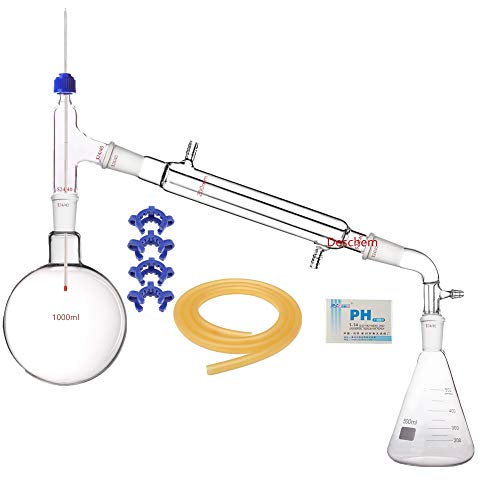
Deschem 1000ml 24/40 Glass Distillation Apparatus Vacuum Distill Kit w/500ml Erlenmeyer Flask
Be Made From G3.3 Borosilicate Glass
As an affiliate, we earn on qualifying purchases.
Frequently Asked Questions
What Are the Main Environmental Benefits of Isocyanate-Free Adhesives?
You’ll find that isocyanate-free adhesives offer significant eco-friendly benefits by reducing harmful emissions and decreasing pollution. They eliminate volatile organic compounds (VOCs), helping improve air quality and create safer environments. By choosing these adhesives, you support pollution reduction and promote sustainability in construction and packaging. This shift not only protects the environment but also enhances workplace safety, making your projects more environmentally responsible and healthier for everyone involved.
How Do the Costs of These Adhesives Compare to Traditional Options?
You might expect higher costs with adhesives without isocyanates, but that’s not always the case. The cost comparison varies due to factors like raw material prices and supply fluctuations, which can cause price fluctuations. While traditional adhesives may seem cheaper initially, the environmental benefits and potential savings from reduced health risks make these eco-friendly options increasingly competitive, often offering long-term value that outweighs the upfront investment.
Are There Any Limitations in Adhesive Performance Without Isocyanates?
You might notice some application limitations with adhesives without isocyanates, especially regarding adhesive strength under certain conditions. They may not perform as well in high-temperature or moisture-heavy environments, which can impact their adhesive strength. While they work effectively for many applications, understanding these limitations helps you choose the right adhesive for specific projects, ensuring peak performance without compromising safety or environmental benefits.
What Industries Are Fastest Adopting Isocyanate-Free Adhesives?
You’re witnessing a wave of change sweeping across industries like a fresh breeze. The fastest adopters of isocyanate-free adhesives are in construction and packaging, where safety and sustainability are top priorities. These adhesives are transforming industrial applications, offering a greener, safer alternative that appeals to consumer products. As more industries follow suit, you’ll see a broader shift toward eco-friendly solutions, shaping a future where performance meets responsibility.
How Do Regulatory Changes Influence the Market Shift Toward These Adhesives?
Regulatory changes substantially influence your market shift toward isocyanate-free adhesives by enforcing stricter safety and environmental standards. You must prioritize regulatory compliance to stay competitive, which drives your industry to adapt quickly. As regulations tighten, you’ll find that market adaptation becomes essential, pushing you to seek safer, more sustainable adhesive options. This proactive approach not only aligns with legal requirements but also enhances your brand reputation and customer trust.
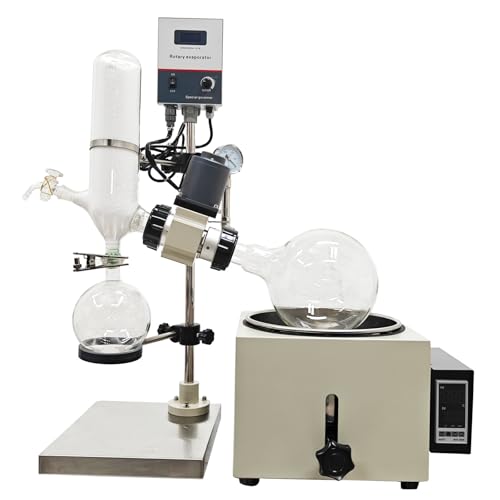
LGXEnzhuo 3L Rotary Evaporator with Digital Temp Control 0-120 RPM Vacuum Distillation System for Lab Chemical Research and Solvent Recovery – 110V
LCD Display for Real-Time Monitoring: Features an LCD screen that clearly shows rotation speed, enabling precise adjustments and...
As an affiliate, we earn on qualifying purchases.
Conclusion
Switching to adhesives without isocyanates isn’t just better for the environment—it’s safer for you and your team. Some might worry about performance, but modern formulations match traditional adhesives perfectly. By choosing these safer options, you’re not sacrificing quality or strength. Embrace this market shift, and you’ll stay ahead of regulations while protecting your workers and the planet. It’s a smart move that benefits everyone and keeps your projects running smoothly.

500ML Lab Essential Oil Extraction Distillation Apparatus with Hot Stove Water Distiller Purifier Lab Glassware Kits,Alcohol Distiller
【FULL DISTILLATION KIT】- Professional 500ml essential oil distillation equipment, including almost all the stuff you need. Such as...
As an affiliate, we earn on qualifying purchases.

Distillation Head Short Path Condenser,24/40,Distillation Head Premium
G3.3 borosilicate glass
As an affiliate, we earn on qualifying purchases.