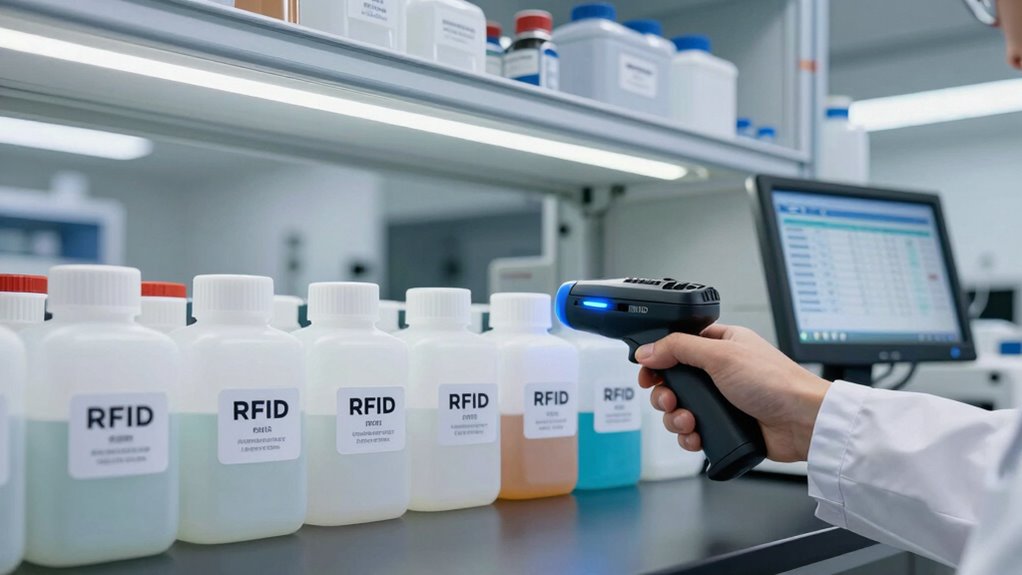

RFID adoption in chemical inventory is trending upward as companies seek better accuracy, compliance, and efficiency. You’ll find that real-world solutions focus on precise tracking of hazardous materials, quick audits, and seamless integration with safety systems. Features like tamper-evident tags and environmental sensors enhance safety and regulatory adherence. If you want to discover which strategies and technologies really make a difference, exploring the latest trends and proven practices can provide valuable insights.
Key Takeaways
- Growing adoption of RFID improves accuracy, compliance, and safety in chemical inventory management.
- Customizable RFID solutions support industry-specific regulations and hazardous waste tracking.
- Integration with safety platforms enables real-time data access and efficient audits.
- Proper implementation and staff training are crucial for maximizing RFID benefits and maintaining system accuracy.
- RFID technology reduces manual errors, enhances traceability, and streamlines inventory processes effectively.
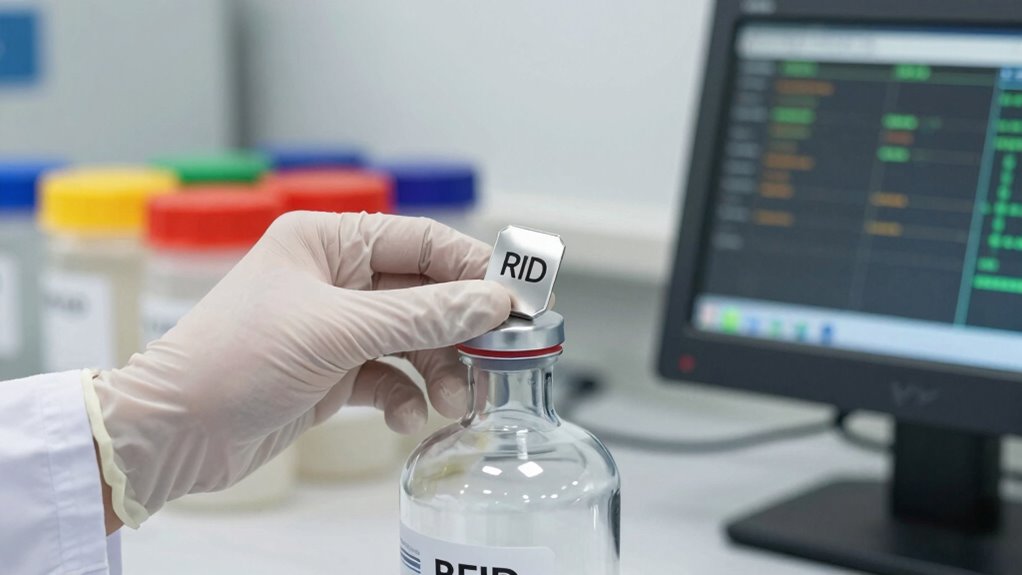
Implementing RFID technology in chemical inventory management transforms how you track and monitor hazardous substances. This shift isn’t just about modernizing your system; it’s about considerably improving RFID accuracy, which directly impacts your ability to maintain precise inventory records. When RFID tags are correctly deployed, they provide real-time data that reduces manual errors and enhances overall inventory control. Accurate tracking ensures you know exactly what chemicals you have, where they are, and when they need to be replenished or disposed of, minimizing waste and preventing shortages. More importantly, RFID accuracy plays a crucial role in meeting regulatory compliance requirements. Regulatory agencies demand detailed documentation and traceability for hazardous materials, and RFID helps you fulfill these obligations more efficiently. By automating data capture, RFID minimizes the risk of human error that often compromises compliance efforts. This technology offers a dependable audit trail, supporting inspections and reports that demonstrate adherence to safety standards and environmental laws. Additionally, focusing on RFID accuracy can significantly improve overall data reliability, ensuring your inventory management remains precise and trustworthy.
Adopting RFID in your chemical inventory system can also streamline safety protocols. When hazardous substances are tagged correctly, you and your team can quickly identify and locate materials during routine checks or emergencies. RFID systems can integrate with existing safety management platforms, providing instant access to critical information like safety data sheets, storage conditions, and expiration dates. This integration not only enhances safety but also ensures that regulatory guidelines concerning storage and handling are consistently followed. Additionally, RFID technology can facilitate faster inventory audits, saving considerable time and reducing disruptions to your operations. Instead of manual counts that are prone to inaccuracies, RFID-enabled scans deliver precise, detailed data instantly, enabling you to stay ahead of compliance deadlines and safety audits.
Furthermore, RFID systems can be customized to meet specific industry standards and regulations. Whether you’re dealing with chemicals that require special storage conditions or need detailed traceability for hazardous waste disposal, RFID solutions are adaptable. They can include features like tamper-evident tags or environmental sensors, ensuring that your inventory management adheres to the strictest safety and regulatory standards. As you consider adopting RFID, focus on choosing systems that prioritize RFID accuracy and integration capabilities. Proper implementation, including staff training and ongoing system maintenance, ensures that you maximize the benefits of RFID technology, keeping your chemical inventory safe, compliant, and efficiently managed. This strategic approach not only safeguards your operations but also reinforces your commitment to safety, accountability, and regulatory excellence.
Frequently Asked Questions
How Does RFID Improve Safety in Chemical Inventory Management?
RFID improves safety in chemical inventory management by providing real-time tracking and accurate data, reducing human errors. With RFID benefits, you can quickly identify chemical locations, monitor inventory levels, and detect potential hazards. This enhances chemical safety by ensuring proper storage and handling. You can also prevent theft or misuse, minimizing accidents. Overall, RFID technology helps you maintain a safer environment through efficient, reliable, and instant inventory oversight.
What Are the Costs Associated With Implementing RFID Systems?
You’ll need to conduct a thorough cost analysis when implementing RFID systems, considering expenses like hardware, software, and integration. Budget planning helps you allocate funds effectively, covering tags, readers, and infrastructure upgrades. Keep in mind ongoing costs such as maintenance and training. While upfront investments can be significant, a well-planned budget guarantees you maximize ROI and avoid unexpected expenses, making RFID implementation smoother and more cost-effective over time.
Are There Any Regulatory Compliance Issues With RFID in Chemicals?
You should be aware that RFID in chemical inventories can face regulatory hurdles, especially regarding data security and privacy. Compliance standards, like OSHA and EPA regulations, require strict tracking and reporting, so guarantee your RFID system meets these standards. Stay updated on evolving laws to avoid penalties, and work with regulatory experts to make sure your RFID implementation aligns with all safety and environmental requirements.
How Does RFID Technology Handle Chemical Container Labeling?
Imagine a chemical container as a fortress, with RFID tags acting as sturdy flags fluttering in the wind. RFID technology handles container labeling by using durable tags designed for harsh environments, ensuring chemical tagging stays intact. These tags withstand moisture, chemicals, and extreme temperatures, making sure your labels remain legible and reliable. This durability guarantees accurate tracking and compliance, even in the most challenging industrial settings.
What Are Common Challenges Faced During RFID Integration?
You might face workflow challenges during RFID integration, like adjusting existing processes or managing data flow. Staff training is vital, but it can be time-consuming and require ongoing support. You’ll need to guarantee your team understands RFID system operations and safety protocols. Overcoming these challenges involves thorough planning, clear communication, and continuous training to streamline adoption and maximize benefits.
Conclusion
Embracing RFID for chemical inventory might seem like a tall order at first, but it’s clear that the benefits outweigh the hurdles. By staying adaptable and learning from successful implementations, you can avoid reinventing the wheel. Remember, it’s often the early bird that catches the worm, so don’t wait too long to adopt proven strategies. With the right approach, you’ll find RFID becomes an invaluable tool that keeps your inventory accurate and your operations running smoothly.