
Preservatives in cosmetics are essential for preventing bacterial, mold, and yeast growth, which helps keep products safe and effective. While some synthetic preservatives have raised concerns about potential health risks, many are thoroughly tested and regulated for safety. Natural alternatives are emerging, but they may be less stable or effective. Understanding how preservatives work and their safety evaluations can help you make informed choices—there’s more to learn about their role and safety.
Key Takeaways
- Synthetic preservatives are generally tested for safety but may cause allergic reactions or sensitivities in some individuals.
- Natural preservatives may have limited antimicrobial efficacy, potentially compromising product safety if not properly formulated.
- Regulatory standards require safety assessments, but some preservatives have been linked to health concerns, leading to ongoing debates.
- Products labeled “preservative-free” may rely on alternative methods that could reduce shelf life and increase risk of microbial growth.
- Consumers should review ingredient labels and understand that both synthetic and natural preservatives have benefits and potential safety considerations.

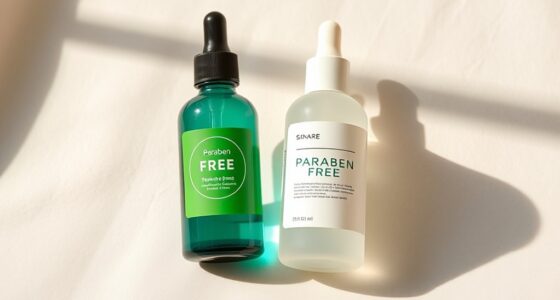
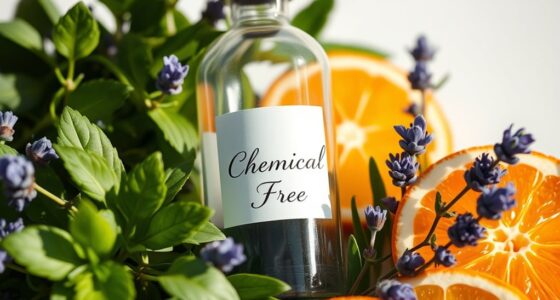
Have you ever wondered how your cosmetics stay fresh and safe to use over time? The answer lies in the preservatives added to these products. These ingredients prevent the growth of bacteria, mold, and yeast, which could otherwise cause infections or spoilage. But with rising concerns about chemical safety, many consumers are now seeking natural alternatives to traditional preservatives. These alternatives include plant extracts, essential oils, or naturally derived compounds that claim to offer similar protection without the perceived risks associated with synthetic ingredients. However, incorporating natural preservatives isn’t straightforward. They often have limited stability, shorter shelf lives, or less broad-spectrum antimicrobial activity, which makes formulating effective products more challenging. Manufacturers must balance preserving product integrity with meeting consumer demand for cleaner, more natural options. This shift toward natural alternatives has sparked a significant regulatory challenge. Governments and industry bodies are tasked with setting guidelines that guarantee safety without stifling innovation. Because natural preservatives are relatively newer and less studied than their synthetic counterparts, regulators often require extensive testing to establish efficacy and safety standards. This process can be lengthy and costly, which complicates the introduction of new natural preservatives into the market. Additionally, the lack of uniform regulations across different countries creates further hurdles. What’s approved in one region might not meet the standards in another, making global product development more complicated. You might notice that labels increasingly highlight “preservative-free” or “naturally preserved” claims. While these claims appeal to consumers seeking safer or more eco-friendly options, they also raise questions about the actual effectiveness of such products. Without proper regulation and testing, some natural alternatives may not provide the same level of protection, potentially risking product safety. As a consumer, it’s essential to understand that not all preservatives are inherently dangerous, but their safety depends on proper formulation and regulation. The ongoing dialogue around natural alternatives and regulatory challenges highlights the industry’s effort to find safe, effective, and transparent solutions. While the desire for natural ingredients is understandable, it’s equally important to trust that the preservatives approved and used today have undergone rigorous safety assessments. In addition, advances in AI in business, such as predictive analytics, are helping improve the development and testing processes for new preservatives. In the end, your best bet is to stay informed about product labels, understand the role of preservatives, and recognize that regulatory measures are designed to protect your health while allowing innovation to continue.
Frequently Asked Questions
Can Preservatives Cause Allergic Reactions in Sensitive Skin?
Preservatives can cause allergic reactions if you have sensitive skin, especially if you’re allergic sensitivity to certain ingredients. Some preservatives, like parabens or formaldehyde releasers, may trigger irritation or allergic responses in some people. To protect your skin and guarantee ingredient safety, always check product labels and do a patch test before using new cosmetics. If you notice any reactions, consult a dermatologist for personalized advice.
Are Natural Preservatives Safer Than Synthetic Ones?
Natural preservatives often seem safer than synthetic ones, but that’s not always the case. You might picture natural alternatives as gentle and pure, but they can still cause allergic reactions or be less effective at preventing bacteria. Synthetic concerns include potential health risks, but many are thoroughly tested for safety. It’s best to weigh each preservative’s pros and cons, considering your skin’s sensitivity and the product’s purpose.
How Do Preservatives Affect Long-Term Skin Health?
Preservatives can impact your long-term skin health by potentially weakening your skin barrier, making it more vulnerable to irritants and infections. Some preservatives may cause hormonal disruption, affecting your skin’s natural balance and leading to issues like acne or dryness over time. To protect your skin, choose products with gentle preservatives, and watch for signs of irritation or sensitivity, especially if you have sensitive skin.
Are Preservative-Free Cosmetics Less Effective or More Prone to Bacteria?
You might be surprised to learn that 60% of preservative-free cosmetics are more prone to bacteria, which can compromise preservative efficacy. Without preservatives, your products have a shorter cosmetic shelf life and are at higher risk of microbial growth. While they may seem gentler, preservative-free options often require extra care and quicker use to ensure safety. So, they aren’t necessarily more effective, and you should be mindful of their limited shelf life.
What Regulations Exist to Ensure Preservative Safety in Cosmetics?
Regulatory standards guarantee preservatives in cosmetics are safe for you. Agencies like the FDA and EU’s EMA require rigorous safety testing before products hit the market. These regulations set limits on preservative types and concentrations, so you can trust that manufacturers follow strict guidelines to minimize risks. Always check product labels and stay informed about safety standards, giving you confidence in the cosmetics you use daily.
Conclusion
While preservatives can pose potential problems, it’s important to prioritize your skin’s safety. Don’t dismiss preservatives altogether; instead, do diligent research and choose wisely. By being cautious and conscious, you can confidently control your cosmetics’ chemical content. Remember, moderation and mindfulness matter. Make informed decisions to minimize risks and maintain your skincare routine’s safety, so your skin stays healthy, happy, and harm-free. Protect your peau by being proactive and perceptive about preservatives’ presence.