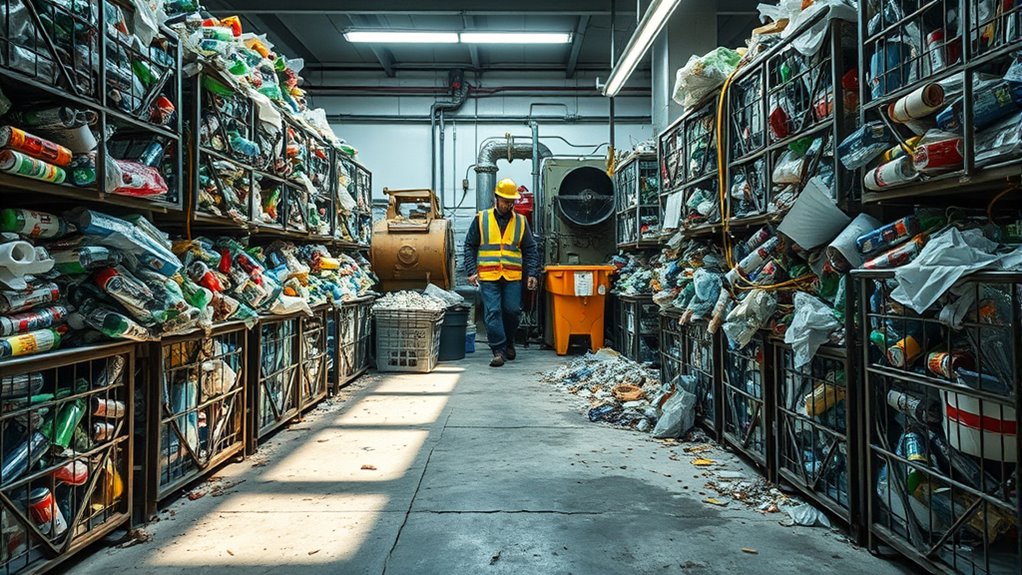

Recycling doesn’t always save energy, especially with plastics that need extensive sorting, cleaning, and processing. These steps can sometimes use more energy than making new materials. While recycling aluminum typically saves a lot of energy, plastics can be tricky, and the overall benefits depend on contamination and technology. To understand why recycling isn’t always energy-efficient and how to improve it, explore the factors behind the processes.

Get school and study supplies delivered free — and shop member deals
- Fast, free delivery on millions of items
- Access to Prime Big Deal Days deals on October 6–7
- Prime Video, Amazon Music and more included
Key Takeaways
- Recycling can save energy, but the net benefit varies depending on material type and contamination levels.
- Plastics often require significant energy to sort and clean, sometimes reducing or negating energy savings.
- Aluminum recycling is highly energy-efficient and consistently saves substantial energy.
- The energy used in collection, transportation, and processing can offset potential savings.
- Recycling is not always energy-positive; its effectiveness depends on technology, contamination, and market factors.
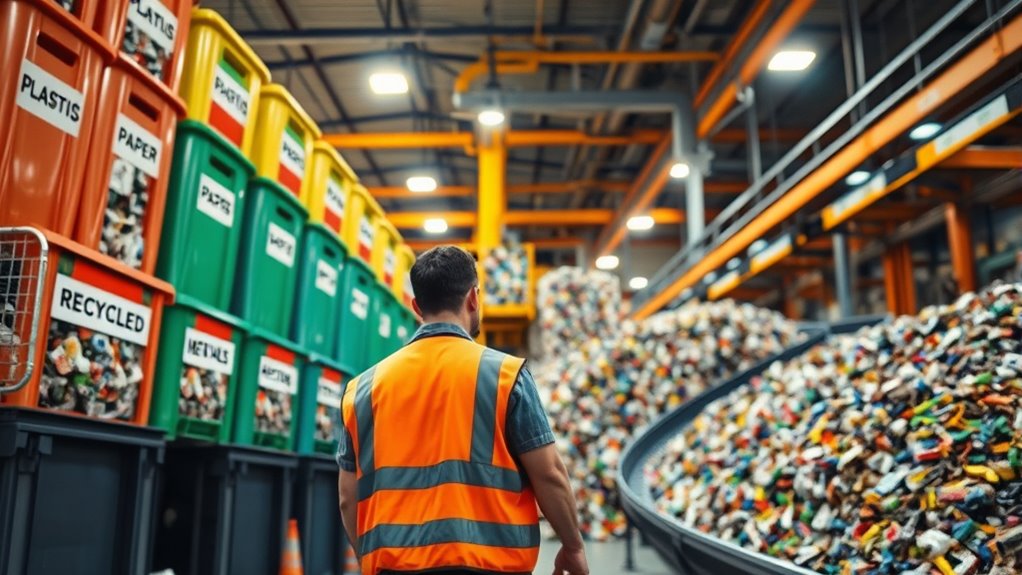
Recycling plays an essential role in conserving energy and protecting the environment. When you choose to recycle, you help reduce the demand for raw materials, which in turn lowers energy consumption during the extraction and processing stages. However, it’s important to recognize that recycling isn’t always a guaranteed way to save energy in every situation. Some materials, especially plastics, present complex challenges. Plastic pollution has become a significant environmental issue, as billions of plastic items end up in landfills, oceans, and ecosystems. Recycling plastics can help mitigate this problem, but the process itself can be energy-intensive, especially when plastics are contaminated or require significant sorting and cleaning. As a result, the net energy savings from recycling plastics may sometimes be less than expected, and in some cases, it might even consume more energy than producing new plastic from raw resources.
Beyond environmental concerns, plastic pollution also has notable economic impacts. Dealing with plastic waste costs governments and communities billions annually, covering cleanup efforts, waste management, and environmental restoration. Recycling can alleviate some of these costs by reducing waste volume and extending the lifespan of landfills. However, if the recycling process isn’t efficient or if market demand for recycled plastics drops, the economic benefits diminish. Sometimes, recycling facilities operate at a loss, especially when the market for recycled plastics becomes saturated or if contamination levels are high. This financial strain can discourage investment in recycling infrastructure and innovations, ultimately affecting the overall efficiency and energy savings of recycling programs.
You might think that simply increasing recycling rates is the solution, but it’s more complicated. The energy used in collecting, transporting, sorting, cleaning, and processing recyclables can sometimes offset the energy saved by reusing materials. For example, recycling aluminum cans is highly energy-efficient and saves a significant amount of energy compared to producing new aluminum. But for other materials, especially mixed or contaminated plastics, the energy balance is less clear-cut. It’s essential to consider the entire lifecycle of recyclables and the recycling methods used. Additionally, advancements in recycling technology could improve the energy efficiency of processing various materials in the future.
In the end, recycling is a key part of sustainable living, but it isn’t a silver bullet. To truly maximize energy savings and reduce plastic pollution, you need to support effective recycling practices, minimize contamination, and advocate for policies that boost the market for recycled materials. Understanding the economic impacts helps you see that recycling’s benefits depend on a well-functioning system that balances environmental, economic, and energy considerations.
As an affiliate, we earn on qualifying purchases.
Frequently Asked Questions
Does Recycling Produce Any Harmful Emissions?
Recycling can produce some harmful emissions, including hazardous emissions and toxic pollutants, during collection, processing, and manufacturing. You might not see these emissions directly, but they can be released into the air or water, posing health risks. While recycling generally reduces waste and energy use, it’s important to recognize that certain recycling processes still generate pollutants. Proper regulation and cleaner technologies help minimize these harmful emissions.
How Does Recycling Impact Water Consumption?
They say, “Every drop counts,” and that’s true with recycling’s impact on water. Recycling can substantially improve water savings by reducing the need for raw material extraction and processing, which often consumes large amounts of water. By practicing recycling, you contribute to resource conservation, helping to preserve essential water resources. So, your efforts not only save energy but also make a meaningful difference in conserving water for future generations.
Are Certain Materials More Energy-Efficient to Recycle?
Yes, certain materials are more energy-efficient to recycle. Material-specific recycling focuses on types like aluminum and plastics, which often offer better energy recovery compared to other materials. For example, recycling aluminum saves up to 95% of the energy needed to produce new aluminum. By prioritizing these materials, you help maximize energy savings and reduce overall environmental impact. So, choose to recycle items that provide the greatest energy recovery benefits.
Can Recycling Reduce Overall Carbon Footprint Effectively?
Recycling can substantially reduce your carbon footprint, transforming it from a mere effort to an environmental powerhouse. By practicing recycling, you actively contribute to landfill reduction and material conservation, cutting down on greenhouse gas emissions. While not always perfect, it’s one of the most effective actions you can take to lessen environmental impact. Embrace recycling as an essential step toward a healthier planet, where every effort counts more than you imagine.
What Are the Economic Costs of Recycling Programs?
Recycling programs can be costly, and their economic feasibility often depends on market fluctuations for recycled materials. You might see high initial setup costs and ongoing expenses for collection, sorting, and processing. When market prices drop, recycling becomes less economically viable, potentially leading to financial losses. It is crucial to weigh these costs against environmental benefits to determine if a program makes sense for your community or business.
Conclusion
Remember, every coin has two sides, and recycling isn’t always a guaranteed energy saver. Sometimes, the energy used in collection, processing, and transportation can offset the benefits. It’s important to weigh the full picture before jumping to conclusions. By staying informed and making mindful choices, you can help reduce your environmental footprint. After all, the proof of the pudding is in the eating—so choose wisely and consider all factors to truly make a difference.
Halloween Picks
halloween
As an affiliate, we earn on qualifying purchases.