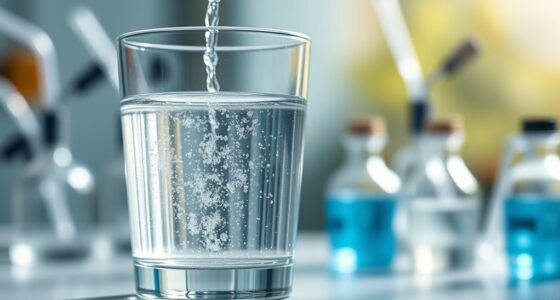
Not all microplastics are inherently toxic; their potential effects depend on their chemical makeup, sources, and how they interact with the environment. Some come from household items containing additives that can leach out, while others originate from natural or biodegradable materials with minimal risk. The toxicity also varies based on their ability to adsorb harmful pollutants. To understand which microplastics pose real threats and how they impact health and ecosystems, keep exploring this complex subject.
Key Takeaways
- Not all microplastics are inherently toxic; toxicity depends on their source, chemical makeup, and environmental interactions.
- Some microplastics contain additives or adsorb pollutants, which can pose health risks.
- Biodegradation can reduce microplastic persistence, influencing their potential to cause harm.
- Microplastic toxicity varies widely based on polymer type, additives, and environmental conditions.
- Ongoing research aims to identify which microplastics are most harmful under specific circumstances.
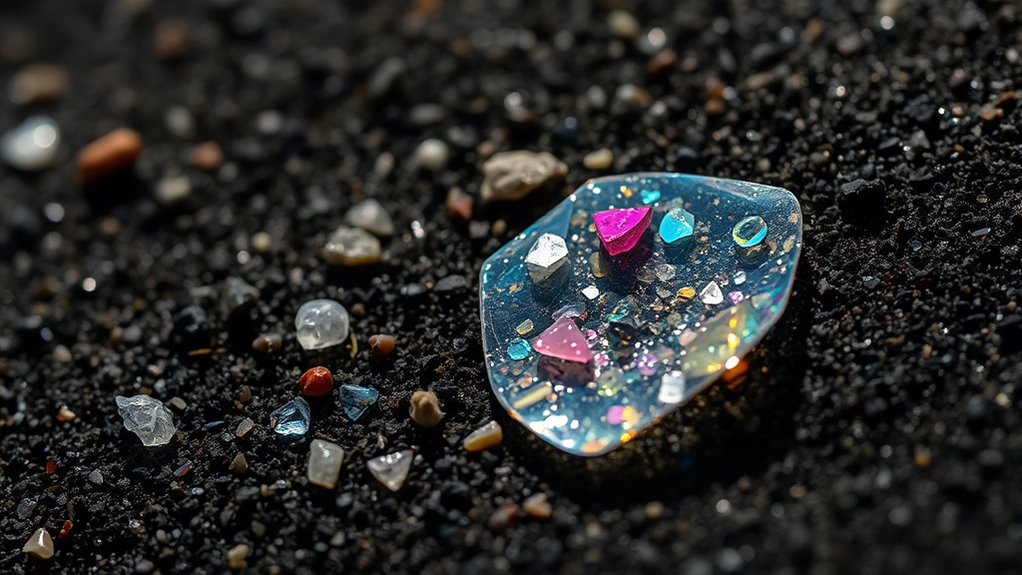
Are all microplastics truly toxic? Not necessarily. While concerns about their harmful effects are valid, the reality is more nuanced. The toxicity of microplastics largely depends on their sources, chemical makeup, and how they interact with the environment over time. Microplastic sources vary widely, including plastic debris from consumer products, fishing gear, and industrial waste. These sources influence the composition of microplastics, which in turn affects their potential toxicity. For example, plastics from household items often contain additives like plasticizers and stabilizers, which can leach out and pose risks to wildlife and humans. Conversely, some microplastics originate from natural sources or degrade rapidly, reducing their potential to cause harm.
Understanding biodegradation processes is key to evaluating microplastic toxicity. These processes describe how plastics break down naturally in the environment through biological activity, such as bacteria and fungi. Some microplastics degrade quickly, transforming into smaller fragments or even harmless substances, thereby reducing their persistence and potential for harm. Others, especially those made of more resistant polymers, can persist for decades, accumulating in ecosystems and increasing exposure risks. The rate and extent of biodegradation depend on the type of plastic, environmental conditions, and the presence of specific microorganisms capable of breaking down plastics. When plastics do biodegrade, they may release additives or microfibers that could be toxic, but this isn’t always the case. In some situations, biodegradation diminishes microplastic toxicity over time, especially when plastics are broken down into benign substances.
The complexity of microplastic sources and their degradation pathways makes it difficult to generalize their toxicity. Not all microplastics contain the same chemicals or degrade at the same rate. Some microplastics may carry harmful pollutants adsorbed from their environment, such as heavy metals or persistent organic pollutants, which can increase their toxicity. Others, particularly those from biodegradable or naturally occurring sources, may pose minimal risks. The key takeaway is that toxicity isn’t inherent to microplastics alone but depends on their origin, chemical composition, and environmental interactions, including biodegradation. As research progresses, scientists are working to better understand which microplastics are most harmful and under what circumstances, helping to inform policies aimed at reducing their impact. So, while some microplastics are indeed dangerous, it’s important to recognize that not all of them pose the same level of threat, and many factors influence their potential to harm ecosystems and health.
Frequently Asked Questions
Can Microplastics Affect Human Health Through Seafood Consumption?
Yes, microplastics can affect your health through seafood consumption. When you eat contaminated seafood, you’re likely ingesting microplastic bioaccumulation, which can carry toxins into your body. Seafood contamination with microplastics poses potential health risks, as these particles may introduce harmful chemicals or pathogens. To reduce your exposure, consider sourcing seafood from cleaner environments and stay informed about ongoing research on microplastic impacts on human health.
Are Certain Types of Microplastics More Toxic Than Others?
Certain types of microplastics are more toxic than others because of their plastic composition. You should know that microplastics made from materials like polyvinyl chloride (PVC) or polyethylene terephthalate (PET) tend to have higher toxicity levels due to harmful additives or chemical leaching. In contrast, microplastics from biodegradable sources may pose less risk. Understanding these differences helps you assess potential health and environmental impacts more accurately.
How Do Microplastics Interact With Marine Ecosystems?
You should know that microplastics markedly impact marine ecosystems, with studies showing over 90% of seabirds and marine animals ingest microplastics. They interact by bioaccumulation, accumulating in marine organisms and moving up marine food webs, disrupting predator-prey relationships. This can lead to harmful effects on biodiversity and human health. Your actions can help reduce microplastic pollution, protecting marine ecosystems and maintaining their delicate balance.
What Are the Long-Term Environmental Impacts of Microplastics?
You may not realize it, but long-term environmental impacts of microplastics include persistent sediment accumulation and adverse biodegradation effects. These particles build up in sediments, disrupting ecosystems and harming marine life over time. As microplastics resist breakdown, they linger, potentially entering the food chain. Your actions can help reduce these impacts by supporting policies and practices that limit plastic waste and promote sustainable alternatives.
Can Microplastics Be Removed From Oceans and Water Sources?
You can’t just wave a magic wand and remove all microplastics from oceans and water sources. But, with advanced filtration technologies and innovative bioremediation methods, we’re making progress. Filtration tech traps tiny particles, while bioremediation uses bacteria to break down plastics naturally. Together, they’re our best shot at cleaning our waters—though it’s a huge challenge that requires global effort and cutting-edge solutions.
Conclusion
So, while not every microplastic is a villain in your story, many hide silent threats beneath their tiny surfaces. Think of them as invisible shadows lurking in your daily life—some harmless, others dangerous enough to make waves. Stay curious and cautious, because understanding these tiny troublemakers helps you navigate a safer, clearer path through the plastic maze. Remember, awareness is your flashlight in the dark waters of microplastic mysteries.