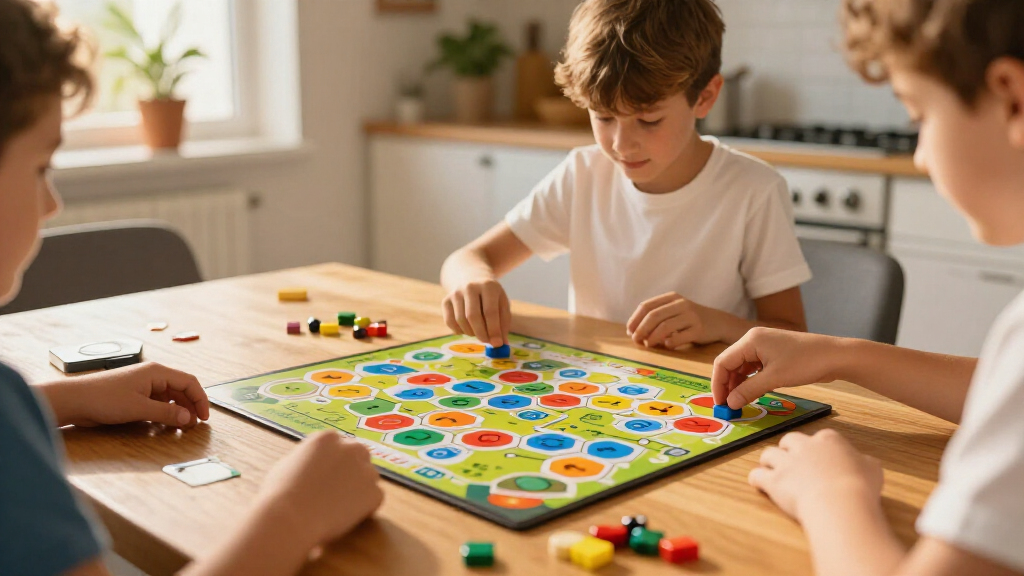

Chemistry board games range from light card games to strategic atom- and compound-building challenges. Subatomic: An Atom Building Game (2nd Edition) is my best overall pick for players who want chemistry concepts woven into meaningful strategy, while Ion stands out for compound-building and Chemistry Fluxx for quick, accessible play. The main tradeoff is how much science a group wants to learn versus how quickly it wants to get into the game. Age, rules complexity, and the balance between educational content and replayable gameplay also matter. Read on for how all six options compare and which one best fits your table.

Get school and study supplies delivered free — and shop member deals
- Fast, free delivery on millions of items
- Access to Prime Big Deal Days deals on October 6–7
- Prime Video, Amazon Music and more included
Key Takeaways
- Subatomic leads the lineup for combining atom-building concepts with strategic decisions, though its science-forward play may not suit a casual group.
- Ion centers play on forming compounds, making it a focused choice for players drawn to chemical formulas rather than broader chemistry themes.
- Chemistry Fluxx favors changing rules and short, approachable card play over structured science practice.
- Periodic and Compounded offer distinct strategy routes: element-focused play in one, and a more involved science-strategy experience in the other.
- Valence is the kid-oriented option, while the lineup as a whole shows that age fit and desired complexity matter as much as the amount of chemistry in the theme.
| Subatomic: An Atom Building Game (2nd Edition) |  | Best Overall for Strategic Chemistry Learning | Players: 2–4 | Playing time: 40–60 minutes | Recommended age: 14 years and up | VIEW LATEST PRICE | See Our Full Breakdown |
| Looney Labs Chemistry Fluxx Card Game |  | Best for Casual, Portable Play | Brand: Looney Labs | Game: Chemistry Fluxx | Edition: Base Edition | VIEW LATEST PRICE | See Our Full Breakdown |
| Periodic: A Game of the Elements |  | Best for Applying Periodic Table Concepts | Players: 2–6 | Recommended age: 10 years and up | Brand: Genius Games | VIEW LATEST PRICE | See Our Full Breakdown |
| Valence Periodic Table Chemistry Card Game for Kids | 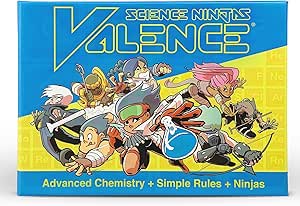 | Best for Younger Chemistry Beginners | Game type: Educational chemistry card game | Subject: Periodic table and chemistry | Recommended age: Kids 8–12; supplied description also notes conflicting age recommendations | VIEW LATEST PRICE | See Our Full Breakdown |
| Compounded: The Peer-Reviewed Edition Science Strategy Board Game |  | Best for Compound-Building Strategy | Players: 2–5 | Play time: 45 minutes | Recommended age: 14+ | VIEW LATEST PRICE | See Our Full Breakdown |
| Genius Games Ion: A Compound Building Game, 2nd Edition |  | Best for Learning Ionic Bonding | Players: 2–7 | Playing time: 20–30 minutes | Recommended age: 8 years and up | VIEW LATEST PRICE | See Our Full Breakdown |
| chemistry board game | Recommended age | Edition | Players | Brand |
|---|---|---|---|---|
| Subatomic: An Atom Building Ga | 14 years and up | 2nd Edition | 2–4 | Genius Games |
| Looney Labs Chemistry Fluxx Ca | — | Base Edition | — | Looney Labs |
| Periodic: A Game of the Elemen | 10 years and up | Standard Edition | 2–6 | Genius Games |
| Valence Periodic Table Chemist | Kids 8–12; supplied description also notes conflicting age recommendations | — | — | — |
| Compounded: The Peer-Reviewed | 14+ | The Peer-Reviewed Edition | 2–5 | — |
| Genius Games Ion: A Compound B | 8 years and up | 2nd Edition | 2–7 | — |
More Details on Our Top Picks
Subatomic: An Atom Building Game (2nd Edition)
Subatomic earns my top spot for players who want chemistry concepts woven into a substantial strategy game rather than added as a side activity. Its deck-building system has players gather subatomic particles and use them to build atoms, while scientist cards add distinct abilities that can shape a plan. The included science booklet supports learning beyond the turns themselves. Compared with Chemistry Fluxx, Subatomic offers a steadier strategic arc instead of frequently changing rules; it also asks for more time and focus. At 40–60 minutes and ages 14+, it suits teens and adults comfortable with card-driven planning, but is a poor match for younger children or quick play sessions.
Pros:- Builds atom concepts into a strategic deck-building game
- Scientist cards provide special abilities and varied tactical choices
- Science booklet adds context beyond the game
- Deck-building can appeal to both newer and experienced players
Cons:- Recommended for ages 14 and up, limiting its fit for younger learners
- A 40–60-minute session is longer than a casual card-game break
- Players who dislike deck-building may find its core strategy less appealing
Best for: Teens, adults, and science-minded game groups who want atom-building concepts paired with deck-building strategy.
Not ideal for: Families seeking a short, easy game for younger children; its 14+ age guidance and 40–60-minute play time are a bigger commitment than Chemistry Fluxx.
- Players:2–4
- Playing time:40–60 minutes
- Recommended age:14 years and up
- Edition:2nd Edition
- Brand:Genius Games
- Material:Cardboard
- Model number:GOT1012
Our verdict“Choose Subatomic for a focused, strategic chemistry game for teens and adults; pick Chemistry Fluxx instead for shorter, lighter play.”
Looney Labs Chemistry Fluxx Card Game
Chemistry Fluxx is the easiest pick here to bring along: its compact deck travels readily, and element cards display details such as atomic numbers, Bohr models, and element types. The changing-rule format makes each round unpredictable, so players can encounter science facts without committing to a fixed strategic system. Compared with Subatomic, it is lighter and better suited to a casual group, though it gives up Subatomic’s sustained deck-building decisions and dedicated science booklet. The same shifting rules that keep play lively can also make the game hard to follow for players who prefer stable instructions. Its age guidance starts at 8, making it a more accessible family option than the older-audience strategy games in this roundup.
Pros:- Compact deck is convenient to carry for travel
- Element cards show atomic numbers, Bohr models, and element types
- Changing rules create varied rounds without a fixed long-term strategy
- Age guidance of 8 years and up suits many family groups
Cons:- Frequent rule changes can confuse players who prefer consistent gameplay
- Chance and shifting goals offer less sustained strategy than Subatomic
- No manufacturer warranty is specified
Best for: Families, travelers, and mixed-age groups who want a compact chemistry-themed card game with flexible, unpredictable rounds.
Not ideal for: Players looking for a fixed ruleset, a structured chemistry lesson, or sustained strategy; changing rules can be confusing and play is more chance-driven.
- Brand:Looney Labs
- Game:Chemistry Fluxx
- Edition:Base Edition
- Material:Cardstock
- Age range:8 years and up
- Included components:Chemistry Fluxx
- Manufacturer:Looney Laboratories, Inc.
Our verdict“Pick Chemistry Fluxx for portable, casual chemistry-themed play, not for a steady strategy game or a structured lesson.”
Periodic: A Game of the Elements
Periodic: A Game of the Elements puts the layout and trends of the periodic table at the center of play. Players move across the table, collect elements, and use periodic trends to pursue points and awards, so chemistry knowledge informs tactical choices rather than appearing only on reference cards. Its support for 2–6 players gives it broader group capacity than Subatomic, which is limited to four, and its age guidance starts at 10 rather than 14. That wider reach comes with a different demand: players need to understand and apply chemistry concepts during play. Compared with Chemistry Fluxx, Periodic is the stronger fit for deliberate strategy and classroom discussion, but it is less casual and less suited to players who want rules that stand apart from the subject matter.
Pros:- Makes periodic table structure and trends part of players’ decisions
- Combines movement, action economy, and set collection
- Supports groups of up to six, more than Subatomic
- Designed for family, classroom, and strategy-game settings
Cons:- Players need to understand and apply chemistry concepts during play
- May be less approachable than Chemistry Fluxx for casual groups
- No playing-time information is provided in the supplied product details
Best for: Families, teachers, and strategy-minded groups with players aged 10+ who want to practice periodic table patterns and trends.
Not ideal for: Groups new to chemistry concepts or seeking a purely casual game; understanding and using periodic trends is part of play.
- Players:2–6
- Recommended age:10 years and up
- Brand:Genius Games
- Genre:Strategy
- Edition:Standard Edition
- Standards:STEM and NGSS
Our verdict“Choose Periodic when your group wants to use periodic trends as a genuine part of strategy and has the background to follow them.”
Valence Periodic Table Chemistry Card Game for Kids
Valence is the most age-focused entry in this group, aiming to introduce children to the periodic table and basic chemistry through straightforward card play. Its linen-finish cards are described as durable, which makes sense for repeated home or classroom use. Compared with Periodic: A Game of the Elements, Valence is positioned as a gentler introduction rather than a strategy game built around applying periodic trends. The supplied details also leave practical questions unanswered: they give no player count or session length, and the age recommendations conflict. That makes it harder to plan a classroom activity or match it to a particular child than with Chemistry Fluxx, which has a stated age range. I’d favor Valence when simple, hands-on chemistry exposure matters more than detailed game logistics.
Pros:- Introduces periodic table and basic chemistry concepts through play
- Designed for use at home and in classrooms
- Linen-finish cards are described as durable
- Simple instructions aim to make the game approachable
Cons:- Product details give conflicting age recommendations
- No player count is provided
- No game duration is provided, making session planning difficult
Best for: Parents and educators seeking a simple chemistry card game for children, especially for guided home or classroom play.
Not ideal for: Buyers who need a confirmed age range, player count, or game duration before choosing; those details are absent or conflicting.
- Game type:Educational chemistry card game
- Subject:Periodic table and chemistry
- Recommended age:Kids 8–12; supplied description also notes conflicting age recommendations
- Materials:Cards with linen finish
- Designed by:PhD chemical engineers
- Player count:Not specified
Our verdict“Choose Valence for a simple, hands-on introduction for children, provided its unclear age and play details work for your group.”
Compounded: The Peer-Reviewed Edition Science Strategy Board Game
Compounded: The Peer-Reviewed Edition is the pick for players more interested in assembling real compounds than moving around the periodic table. Worker placement and hand management ask players to choose how to build compounds and when to score them, so the order of decisions matters. Its streamlined play and larger game pieces distinguish this edition, while a bigger element bag supports the game’s supply of components. Compared with Subatomic, which centers on building atoms through deck-building, Compounded shifts the challenge to compound creation and scoring order. Both target older players and strategic sessions; Compounded lists a 45-minute play time, but its careful scoring choices may still feel demanding for those seeking a simple introduction. It also supports up to five players, one more than Subatomic.
Pros:- Introduces real chemical compounds and elements through play
- Worker placement and hand management create meaningful planning
- Updated edition features streamlined play and larger pieces
- Supports up to five players, more than Subatomic
Cons:- Choosing the right scoring order can demand careful planning
- Recommended age of 14+ limits its fit for younger learners
- A 45-minute session may be more involved than a casual card game
Best for: Players aged 14+ who enjoy worker placement and hand management and want to build real chemical compounds through planned decisions.
Not ideal for: Younger children or casual groups looking for quick, low-planning play; scoring order calls for careful strategy, and the recommended age is 14+.
- Players:2–5
- Play time:45 minutes
- Recommended age:14+
- Game mechanics:Worker placement and hand management
- Edition:The Peer-Reviewed Edition
- Updated components:Larger game pieces and a bigger element bag
Our verdict“Choose Compounded for planned compound-building and worker-placement decisions; choose Chemistry Fluxx for a lighter, more flexible game.”
Genius Games Ion: A Compound Building Game, 2nd Edition
Ion is the most direct pick in this lineup for practicing how positive and negative ions combine into neutral compounds. Its card-drafting turns make that chemistry idea part of the play, rather than background flavor, while a 20–30 minute runtime keeps the learning session manageable. Compared with Subatomic: An Atom Building Game, which focuses on constructing atoms, Ion narrows its teaching lens to ionic bonding and compound formation. That focus makes it a clear fit for players who want a specific chemistry concept, but it offers less breadth than a game spanning atomic structure or the periodic table. The game supports 2–7 players and includes an advanced radioactivity mode plus a science booklet. The advanced mode is better suited to experienced groups of four or more, so it may not suit every table.
Pros:- Gameplay centers on matching charged ions to form neutral compounds.
- Accommodates groups from 2 to 7 players.
- Advanced mode adds radioactivity for groups ready for added complexity.
- Science Behind booklet provides context beyond the card play.
Cons:- The focus on ionic compounds is narrower than games that cover atoms or the periodic table.
- The advanced mode is recommended for experienced players and groups of four or more.
Best for: Families, teachers, and curious players aged 8 and up who want a short, hands-on introduction to ionic bonding and compound formation.
Not ideal for: Players seeking broad coverage of chemistry topics, or small and newer groups hoping to use the advanced radioactivity mode.
- Players:2–7
- Playing time:20–30 minutes
- Recommended age:8 years and up
- Edition:2nd Edition
- Included components:1 Science Behind booklet
- Material:Paper
- Model year:2022
Our verdict“Choose Ion if you want a short, approachable game built around ionic bonding; pick a broader chemistry game if you want to explore more than compound formation.”
How We Picked
I compared these six games by asking what a buyer needs from a chemistry-themed game: how clearly the play connects to chemistry, how approachable the rules appear for the intended audience, and whether the central activity gives players meaningful choices. I also weighed the kind of learning each game supports, from recognizing elements to building atoms or compounds, rather than treating every science theme as equally educational.
The ranking favors games that combine a clear chemistry connection with engaging play and a distinct audience fit. A lighter card game can be the better purchase for a family seeking easy setup, but it ranks below a richer strategic option for buyers who want science concepts to shape decisions throughout play. I also accounted for complexity and scope: specialized chemistry mechanics can be rewarding, yet they may narrow the audience or require more patience than a casual game night allows.
| chemistry board game | Brand | Material |
|---|---|---|
| Subatomic: An Atom Building Ga | Genius Games | Cardboard |
| Looney Labs Chemistry Fluxx Ca | Looney Labs | Cardstock |
| Periodic: A Game of the Elemen | Genius Games | — |
| Valence Periodic Table Chemist | — | — |
| Compounded: The Peer-Reviewed | — | — |
| Genius Games Ion: A Compound B | — | Paper |
Factors to Consider When Choosing Chemistry Board Games
Choosing a chemistry game is less about finding the one with the most science terms and more about matching its learning style and difficulty to the people around the table. These factors can help you decide what kind of chemistry experience your group will actually enjoy.
Choose the Chemistry Concept You Want to Play With
Chemistry games can focus on different levels of the subject, such as elements, atoms, or compounds. Before choosing, think about whether players want to recognize familiar symbols, assemble structures, or use scientific relationships to guide decisions. A game centered on one concept may teach it more directly than a broader science-themed game. The common mistake is assuming that a chemistry label guarantees the same kind of learning across titles. For younger players, a clear, concrete activity may be easier to follow than abstract rules that model scientific ideas. Match the game’s main mechanic to the concept your group is curious about.
Match Rules Complexity to the Least Experienced Player
At a mixed-age table, the game’s easiest player sets the practical difficulty ceiling. A complex strategy game can work well when everyone is happy to learn rules together, but it may leave younger or less experienced players relying on others to make decisions. Shorter card play can lower that barrier, though it may offer less room for sustained planning. Check whether the challenge comes from understanding chemistry, managing game rules, or both. Those demands can feel very different even when the games share a science theme. If the group has varied experience, favor mechanics that are simple to explain but still give experienced players choices.
Decide Whether Learning or Game Night Comes First
Some buyers want a game that prompts discussion of scientific ideas; others mainly want an entertaining game with a chemistry connection. Neither goal is better, but the distinction changes what counts as a good fit. A game can make concepts part of the decisions without functioning like a lesson or offering a complete explanation of the science. If classroom reinforcement matters, check whether the rules and components support the exact topic being taught, and plan to supplement play with discussion or other materials. For casual play, prioritize engaging turns and a pace your group enjoys. Avoid buying solely for educational intent if the players are unlikely to enjoy the mechanics.
Think About Group Size, Session Length, and Replay
A chemistry game may be a good subject match yet still be awkward for your usual group. Consider how many people can play, how much table space the activity needs, and whether your group prefers a quick session or a longer strategic game. Changing card conditions can create a different feel from a game built around planning a sequence of moves. Replay also depends on how much variety the rules and available choices create, not just on the science topic. For occasional family play, ease of setup and a brisk pace may matter more than intricate systems. For a regular game group, deeper decisions can justify a longer teach and session.
Pay for Depth Only When Your Group Will Use It
A more involved game can offer richer decisions, but extra depth is only a benefit if players want to learn and revisit its systems. Consider whether the group enjoys rules explanations, strategic planning, and games that reward repeated play. A simpler option can be a stronger fit for a classroom break, family gathering, or casual introduction to chemistry. Conversely, players who already enjoy strategy games may find a light science-themed card game too limited. Think about who will teach the game and how often it is likely to reach the table. The best value is the title that fits those habits, not automatically the one with the most elaborate mechanics.
Frequently Asked Questions
Which chemistry board game is a good first choice for a family new to science games?
Start by deciding how comfortable the youngest or least experienced player is with game rules. Valence is the lineup’s kid-oriented option, while Chemistry Fluxx is a lighter route for groups that prefer card play and changing rules. Families seeking more strategy can look at Subatomic, but should expect a more science-centered experience. A short rules overview before buying can help reveal whether the game teaches through simple recognition or asks players to manage several connected ideas. Choose the one that suits the group’s patience, not just the player most interested in chemistry.
Are these games useful for teaching chemistry in a classroom?
They can support engagement and reinforce concepts, but a game should not be treated as a full chemistry lesson on its own. First identify the topic you want students to practice, then check whether the game’s actual mechanics address it. A title about atoms or compounds may prompt useful discussion, while a broader science theme may serve better as a playful introduction. Plan for a short debrief so students can connect game decisions to scientific ideas and clarify any simplifications. Also consider class size, supervision, and how easily students can learn the rules in a limited session.
Should I choose a game about atoms, elements, or compounds?
Choose based on the concept players want to engage with, rather than assuming one topic makes a game better. Element-focused play can suit groups interested in the periodic table, while atom- and compound-building themes put attention on how scientific components fit together. A narrower focus may make a concept easier to discuss, but it can also mean less variety for players seeking a broader theme. If the game is for a learner, align the topic with what they are studying or curious about now. If it is for general play, prioritize the mechanic that sounds fun to repeat.
Can a chemistry board game work for players who do not already know chemistry?
Yes, but the rules and group’s tolerance for learning new ideas matter more than prior expertise alone. A well-matched game can introduce concepts through play, while a more strategic title may feel demanding if players must learn both the science and several game systems at once. Avoid turning every move into a quiz unless the group enjoys that style. Let players learn the terms as they appear, and keep a reference or brief explanation handy if the game prompts questions. For a mixed group, choose an experience where newcomers can still make meaningful choices without needing a science expert at the table.
What should I prioritize if I want a game that gets replayed often?
Look at whether your group enjoys the game’s core activity, how much decisions can vary from session to session, and how quickly players can set up and begin. A deep strategy game may reward repeat plays for hobby gamers but see less use if the group dislikes long explanations. A simpler card game may come out more often even if it explores chemistry less deeply. Consider the group’s usual session length and whether players like planning, unpredictability, or direct concept-building. Replay value comes from a good match with your table, not from educational content alone.
Conclusion
For the best overall fit, choose Subatomic if your group wants chemistry concepts to shape strategic play. For a more focused compound-building experience, choose Ion; for a kid-oriented pick, start with Valence. Chemistry Fluxx is my value-minded choice for buyers who favor accessible, casual card play over a deeper science system, while Compounded is the premium-style option for strategy fans seeking a more involved science game. Choose Periodic if an element-centered theme is the specific draw. The right pick depends on whether your group values easy entry, focused chemistry practice, or strategic depth most.
Halloween Picks
halloween
As an affiliate, we earn on qualifying purchases.