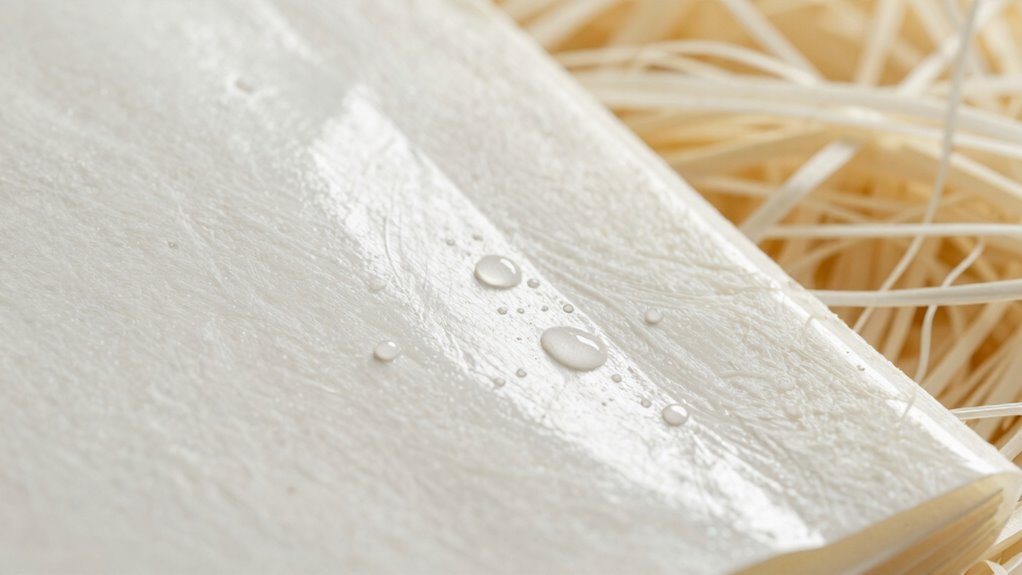
You can definitely see fiber-based packaging compete with traditional plastics, thanks to eco-friendly barrier coatings. Recent innovations now give these coatings moisture and grease resistance comparable to plastics, making them suitable for food and other applications. While costs might be higher initially, the overall lifecycle benefits — like recyclability and biodegradability — make them a promising option. If you want to understand how these coatings are evolving and their full potential, keep exploring further.

Prime made for students and young adults
- Fast, free delivery for dorm and study essentials
- Prime Video and Amazon Music included
- Member-only deals
Key Takeaways
- Advances in fiber-based coatings now provide moisture and grease resistance comparable to traditional plastics.
- Eco friendly coatings reduce environmental impact, supporting sustainability goals in packaging.
- Higher initial costs are balanced by long-term benefits like recyclability and lower waste disposal expenses.
- Continuous technological innovations improve performance, making fiber-based options viable for diverse applications.
- Industry trends favor sustainable solutions, increasing the competitiveness of fiber-based barrier coatings.
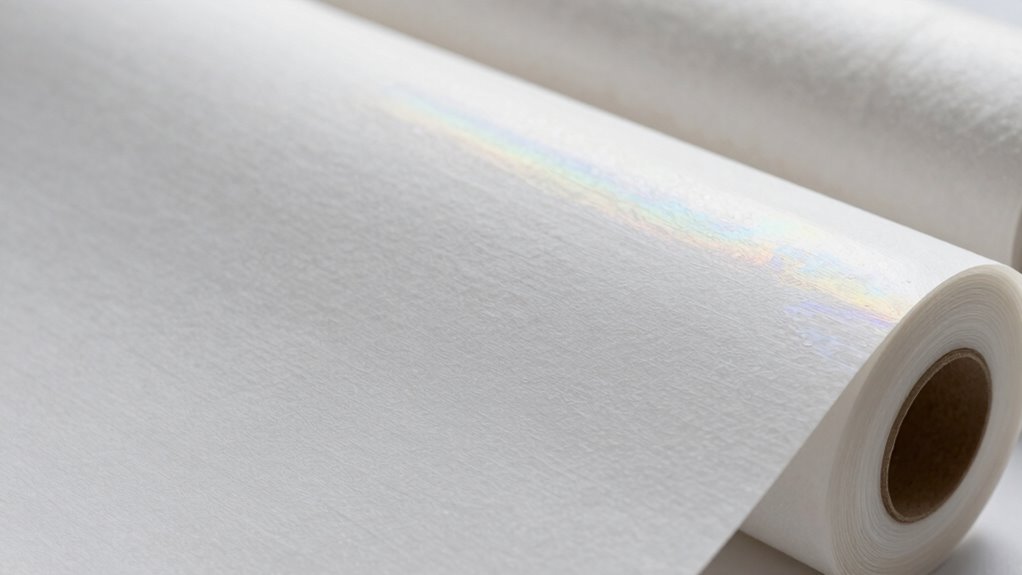
Have you ever wondered how paper products stay resistant to moisture, grease, and other contaminants? The secret lies in barrier coatings—specialized layers applied to paper surfaces that create a protective barrier, preventing liquids and oils from penetrating. Traditionally, these coatings have relied on plastics like polyethylene, which effectively block moisture but pose environmental concerns due to their non-biodegradable nature. Today, there’s a growing push toward eco friendly alternatives that aim to match or surpass the performance of conventional coatings while reducing environmental impact. These alternatives include bio-based polymers, cellulose derivatives, and other plant-based materials, which are gaining attention for their sustainability credentials.
You might wonder whether fiber-based packaging with these eco friendly coatings can truly compete with traditional plastic-lined options. The answer depends largely on the specific application and the effectiveness of the coating. Recent advancements have improved the barrier properties of fiber-based coatings, making them more resistant to liquids and grease than ever before. These coatings are designed to be biodegradable, recyclable, and compostable, aligning well with the sustainability goals of many brands and consumers. They also help reduce reliance on fossil fuels, lowering the carbon footprint of packaging solutions. Innovations in coating technology continue to enhance the performance of eco friendly barrier coatings, pushing their capabilities even further. Additionally, ongoing research into biodegradable materials is expanding the possibilities for sustainable packaging solutions.
However, adopting these new materials involves more than just environmental benefits. You’ll want to perform a thorough cost effectiveness analysis to understand how these eco friendly alternatives measure up financially. While initial costs for bio-based coatings might be higher than traditional plastics, factors like improved recyclability, consumer demand for sustainable products, and potential compliance with environmental regulations can tip the scales. Over time, the total lifecycle costs often favor fiber-based packaging with eco friendly coatings, especially when considering waste management and disposal costs.
It’s also worth noting that the performance of fiber-based coatings is continually improving, making them more viable for a wider range of applications—especially in food packaging, where moisture and grease resistance are crucial. Advances in coating technology now allow these eco friendly options to deliver comparable barrier properties, ensuring product integrity while meeting environmental standards. The challenge lies in balancing cost, performance, and environmental impact, but with ongoing research and innovation, fiber-based packaging coated with sustainable materials is becoming a more practical and attractive choice.
In the end, whether fiber-based packaging can truly compete depends on your priorities—environmental responsibility, cost efficiency, or product performance. But there’s no denying that the industry is moving toward greener, more sustainable solutions, and the development of effective eco friendly barrier coatings is central to this shift. As these technologies mature, they’re poised to provide a compelling alternative that meets the needs of both consumers and businesses committed to sustainability.
eco friendly barrier coatings for paper
As an affiliate, we earn on qualifying purchases.
As an affiliate, we earn on qualifying purchases.
Frequently Asked Questions
Are Barrier Coatings Environmentally Friendly and Biodegradable?
Barrier coatings can be environmentally friendly and biodegradable if you choose eco-friendly alternatives made from natural materials. These coatings are designed to break down through natural biodegradation processes, reducing environmental impact. By selecting coatings based on biodegradable substances like biopolymers or plant-based materials, you help guarantee your packaging supports sustainability. Always check product certifications to confirm that the coatings truly align with eco-friendly and biodegradable standards, making your packaging more sustainable.
How Cost-Effective Are Barrier Coatings Compared to Traditional Packaging?
Barrier coatings are generally more cost-effective than traditional packaging when you consider the overall cost analysis, including environmental benefits and potential for reduced material usage. As market adoption increases, the prices tend to decrease due to economies of scale, making them even more competitive. You’ll find that investing in barrier coatings can lower your packaging costs in the long run, while also appealing to eco-conscious consumers.
Can Barrier Coatings Be Applied to Recycled Paper?
Yes, barrier coatings can be applied to recycled paper, but recycling challenges like coating adhesion need careful consideration. You might face difficulties ensuring the coating sticks properly without affecting recyclability. Advances in eco-friendly coatings improve adhesion on recycled fibers, making it feasible. Proper formulation and application techniques are essential to overcome recycling challenges and maintain the paper’s integrity, helping fiber-based packaging become a competitive, sustainable alternative in the market.
How Durable Are Barrier Coatings During Transportation and Handling?
Think of barrier coatings as your paper’s shield—highly durable during transportation and handling. They excel in moisture resistance and maintain mechanical strength, protecting contents from water and damage. While some wear over time, proper application and quality formulations guarantee your packaging withstands the rigors of shipping. So, yes, barrier coatings can reliably keep your paper packaging intact, giving you confidence that your product arrives safe and secure.
What Are the Latest Innovations in Fiber-Based Barrier Technologies?
You’ll find that recent innovations in fiber-based barrier technologies leverage nanotechnology advancements and bio-based formulations. These developments enhance barrier properties while remaining eco-friendly, making your packaging more sustainable and effective. Nanotechnology allows for ultra-thin, yet highly protective coatings, while bio-based formulations reduce environmental impact. Together, they enable fiber-based packaging to compete with traditional materials, offering improved moisture resistance and durability without compromising recyclability or biodegradability.
Conclusion
So, despite all the hype around barrier coatings making paper truly competitive, it’s amusing how they still struggle with perfect moisture and grease resistance. You might think these coatings are the magic fix, but in reality, they remind us that no coating can fully replace the strength and versatility of traditional packaging. Maybe, just maybe, nature’s simplicity still holds its own, even in a world obsessed with high-tech solutions.
Halloween Picks
halloween
As an affiliate, we earn on qualifying purchases.