
TL;DR

Prime made for students and young adults
- Fast, free delivery for dorm and study essentials
- Prime Video and Amazon Music included
- Member-only deals
Japanese scientists have developed a new recycling method that can recover up to 90% of lithium from used EV batteries. This breakthrough could significantly improve battery recycling efficiency and reduce reliance on raw lithium extraction.
Japanese researchers have unveiled a new method that can recover up to 90% of lithium from used electric vehicle batteries, a significant improvement over current recycling techniques. This breakthrough was announced in March 2024 and could have major implications for the EV industry and global lithium supply chains.
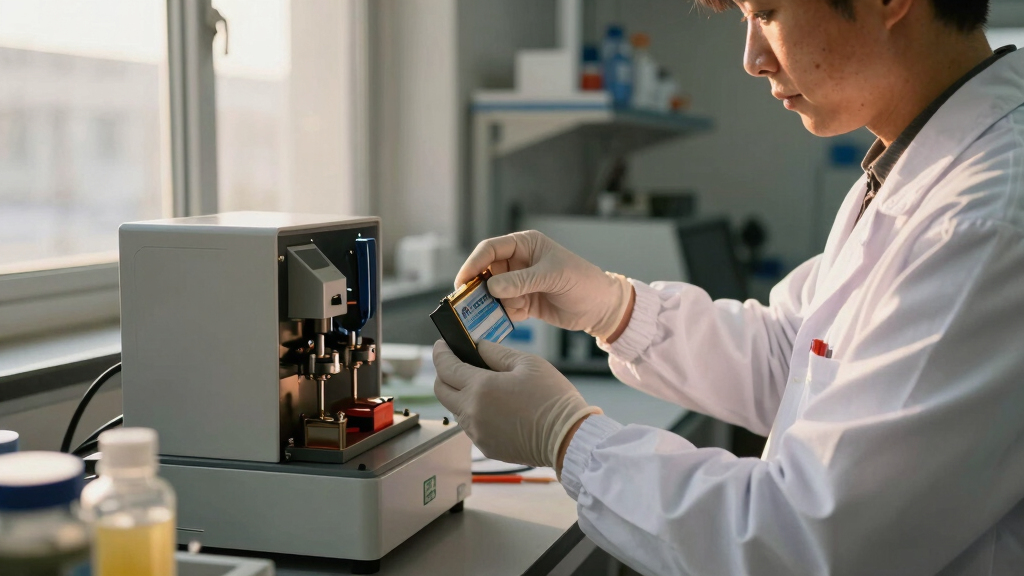
The new process was developed by scientists at a Japanese research institute, who demonstrated its ability to efficiently extract lithium from spent batteries. According to the researchers, this method involves a combination of advanced chemical treatments and thermal processes designed to maximize lithium recovery while minimizing waste.
Current lithium recycling methods typically recover less than 50% of the lithium content, often resulting in significant material loss. The new technique claims to substantially increase recovery rates, potentially reducing the need for extensive lithium mining. The research team has published their findings in a peer-reviewed journal, confirming the technical viability of the process.
Potential Impact on Battery Recycling and Lithium Supply
This development could transform the economics of battery recycling by making it more efficient and cost-effective. Recovering up to 90% of lithium from used batteries could lessen the environmental impact of lithium extraction and reduce supply chain pressures, especially as demand for EVs continues to grow globally.
Industry experts suggest that widespread adoption of this technology could help meet increasing EV battery recycling targets set by governments and environmental agencies, while also supporting the transition to a more sustainable electric vehicle market.
As an affiliate, we earn on qualifying purchases.
Current Recycling Methods and Lithium Supply Challenges
Recycling lithium from used EV batteries is a growing industry, but existing methods are limited in efficiency, often recovering less than half of the lithium content. As EV adoption accelerates worldwide, the demand for lithium has surged, leading to concerns over supply shortages and environmental impacts of mining.
Japan has been investing in advanced recycling technologies, aiming to reduce reliance on imported lithium and promote a circular economy for batteries. This latest breakthrough aligns with national efforts to develop sustainable, high-efficiency recycling solutions to address future resource constraints.
Uncertainties About Commercial Adoption and Scale
It is not yet clear when this technology will be commercially available or how easily it can be scaled for mass recycling operations. The research was demonstrated in laboratory conditions, and further testing is needed to confirm its effectiveness at industrial scale.
Details about the cost, potential regulatory hurdles, and integration into existing recycling infrastructure remain to be seen.
Next Steps Toward Industrial Implementation
The research team plans to collaborate with industry partners to pilot the process at larger scales. Regulatory approvals and cost assessments are expected to be key steps before commercial deployment. If successful, the technology could be integrated into existing recycling facilities within the next few years.
Further research will also focus on optimizing the process for other battery chemistries and expanding recovery of additional valuable materials.
Key Questions
How does this new lithium recovery method differ from existing recycling techniques?
The new method claims to recover up to 90% of lithium, compared to less than 50% with current techniques, using a combination of chemical and thermal processes designed for higher efficiency.
When might this technology become available for commercial use?
It is still in the research and pilot phase. Commercial deployment could take several years, depending on scaling, testing, and regulatory approvals.
Will this development reduce the environmental impact of lithium mining?
Yes, higher recovery rates could lessen the need for new lithium extraction, reducing environmental damage and resource depletion.
Could this technology be used for other types of batteries?
Researchers are exploring adaptations for different battery chemistries, but current results focus on lithium-ion batteries used in EVs.
What are the main challenges before widespread adoption?
Scaling the process, reducing costs, and navigating regulatory requirements are the key hurdles remaining before the technology can be widely implemented.
Source: hn
Fall Picks
fall essentials
As an affiliate, we earn on qualifying purchases.