
Superhydrophobic coatings rely on surface chemistry and nanostructure design to repel water effectively while remaining durable. They incorporate low surface energy materials and hierarchical nanostructures that trap air, enhancing water repellency. To guarantee longevity, these coatings need strong adhesion, abrasion resistance, and protection against UV, salts, and pollutants. Understanding chemical stability helps optimize performance over time. If you keep exploring, you’ll discover how innovative approaches improve both chemistry and durability for lasting protection.

Get school and study supplies delivered free — and shop member deals
- Fast, free delivery on millions of items
- Access to Prime Big Deal Days deals on October 6–7
- Prime Video, Amazon Music and more included
Key Takeaways
- Surface chemistry determines water repellency and chemical stability of superhydrophobic coatings.
- Nanostructure design enhances durability by improving adhesion and resistance to abrasion.
- Incorporating cross-linked polymers and protective layers boosts long-term stability.
- Eco-friendly chemistries reduce environmental impact while maintaining performance.
- Resistance to UV, salts, and pollutants is essential for coating longevity and durability.

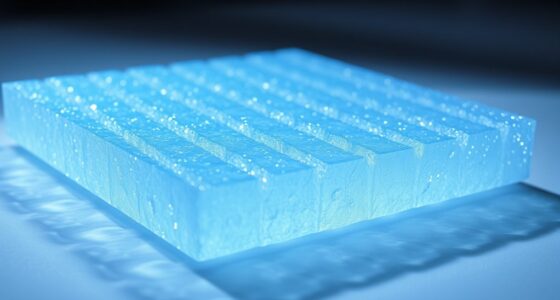
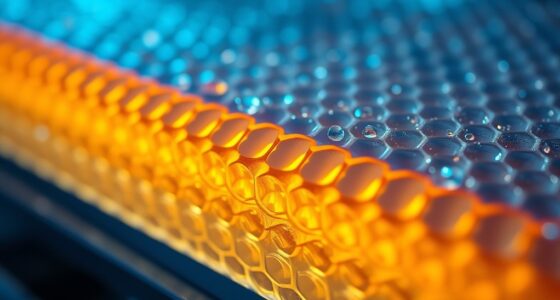
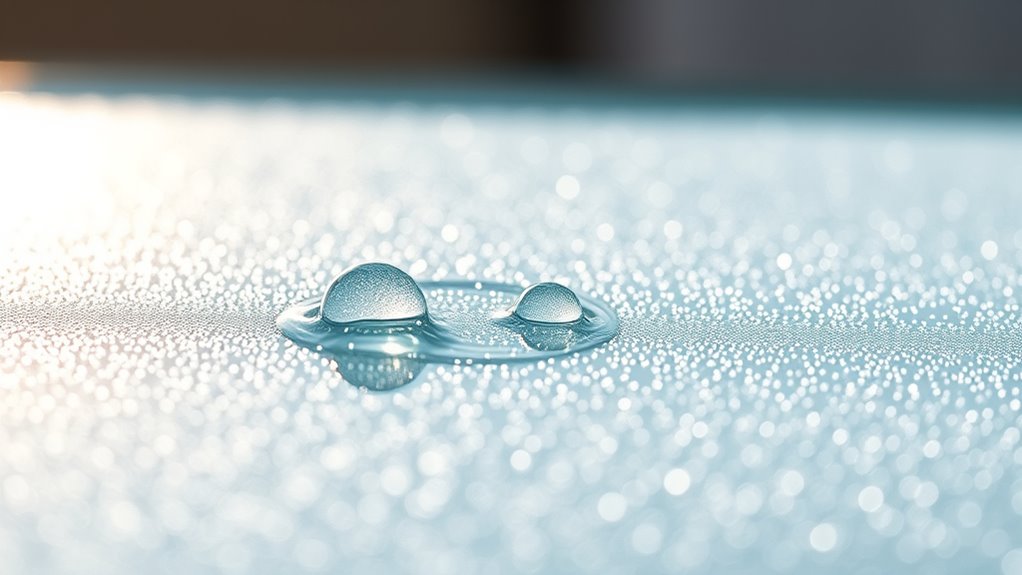
Superhydrophobic coatings are advanced materials designed to repel water and other liquids with remarkable efficiency. Their effectiveness hinges on creating a surface that causes water droplets to bead up and roll off, preventing wetting and minimizing damage. Achieving this level of performance requires precise nanostructure fabrication, which involves designing and assembling materials at the nanometer scale. By controlling the size, shape, and distribution of nanostructures, you can considerably enhance the surface’s roughness and low surface energy, both critical for superhydrophobicity. These nanostructures form a hierarchical architecture that traps air beneath water droplets, reducing contact area and enabling water to slide off effortlessly. When considering the environmental impact, you need to be mindful of the materials and processes involved in nanostructure fabrication. Some methods may use environmentally harmful chemicals or generate waste that poses ecological risks. Hence, developing eco-friendly fabrication techniques is essential to ensure that superhydrophobic coatings provide benefits without compromising the environment. You might explore green synthesis routes or biodegradable components to minimize your ecological footprint, aligning innovation with sustainability. Additionally, understanding the surface chemistry involved in superhydrophobic coatings can help optimize performance and durability. Durability is another crucial aspect of superhydrophobic coatings, especially when applied in real-world conditions. You need to understand that the longevity of these coatings depends on several factors, including the stability of the nanostructures and the chemical composition of the surface treatments. Strong adhesion to the substrate, resistance to abrasion, and chemical stability against environmental factors like UV rays, salts, and pollutants determine how long your coating will remain effective. To improve durability, you might incorporate cross-linked polymers or protective overcoats that shield nanostructures from mechanical wear and chemical degradation. Regular testing and optimization help you identify the most resilient combinations of materials, ensuring your coating can withstand harsh conditions over time. Additionally, selecting environmentally friendly, durable materials supports sustainable development and reduces the need for frequent reapplications, which can be costly and resource-intensive.
As an affiliate, we earn on qualifying purchases.
Frequently Asked Questions
How Do Superhydrophobic Coatings Affect Environmental Safety?
Superhydrophobic coatings can impact environmental safety by introducing toxic chemicals during their production or degradation. You should be aware that some coatings contain substances harmful to ecosystems, potentially contaminating water and soil. While they offer durability and water resistance, improper disposal or wear might release toxic chemicals, posing risks to wildlife and humans. Consequently, evaluating their environmental impact is essential to minimize potential environmental hazards.
Can Superhydrophobic Coatings Be Applied to Electronic Devices?
Yes, you can apply superhydrophobic coatings to electronic devices. These coatings reduce surface adhesion, making devices resistant to water and dirt, which helps prevent damage. Make certain the coating maintains transparency so your screen or components remain visible and functional. Proper application is essential; it should not interfere with the device’s operation or heat dissipation. When done correctly, superhydrophobic coatings can enhance durability without compromising performance.
What Are the Cost Implications of Long-Term Durability?
Think of durability as a fortress guarding your investments. Long-term durability in superhydrophobic coatings influences your cost analysis by reducing maintenance and replacement needs. While initial application costs might be higher, durability factors guarantee you save money over time. You’ll spend less on repairs, and your devices stay protected longer, making the overall investment worthwhile. Ultimately, investing in durable coatings balances upfront costs with long-term savings.
Are There Eco-Friendly Alternatives to Traditional Coatings?
Yes, eco-friendly alternatives to traditional coatings exist. You can consider biodegradable polymers, which break down naturally and reduce environmental impact. Plant-based repellents also offer a sustainable option, providing water resistance without harmful chemicals. By choosing these options, you can maintain durability while minimizing ecological footprints. These environmentally conscious choices help you protect surfaces sustainably and reduce long-term waste and pollution.
How Do Coatings Perform Under Extreme Temperature Variations?
You’ll find that coatings often struggle under extreme temperature variations because thermal expansion causes stress, risking cracks or delamination. To improve performance, guarantee the coating maintains good adhesion despite temperature shifts, preventing peeling or failure. Some advanced formulations include flexible polymers or nanomaterials that accommodate thermal expansion, enhancing durability. Regular testing under simulated conditions helps confirm that the coating withstands thermal cycling without compromising its protective or hydrophobic properties.
Conclusion
While superhydrophobic coatings hold exciting promise, their long-term durability still offers room for gentle improvement. With ongoing advancements in chemistry and material stability, you can look forward to coatings that not only repel water effectively but also stand the test of time. Embrace the potential, and you’ll discover a world where surfaces stay cleaner and safer, subtly transforming everyday experiences. The journey towards truly resilient coatings continues, inviting you to be part of this fascinating evolution.
Halloween Picks
halloween
As an affiliate, we earn on qualifying purchases.