
Changing filters in ductless fume hoods isn’t anyone’s favorite task, but it’s essential for safety and performance. Over time, filters become saturated, reducing their ability to trap hazardous fumes and causing airflow issues. Delaying replacements can lead to dangerous exposure and system inefficiency. Staying on top of filter maintenance and checking airflow regularly helps prevent safety violations. Want to find out how to easier manage filter changes and keep your system running smoothly? Keep going for more tips.

Get school and study supplies delivered free — and shop member deals
- Fast, free delivery on millions of items
- Access to Prime Big Deal Days deals on October 6–7
- Prime Video, Amazon Music and more included
Key Takeaways
- Regular filter changes are essential to maintain airflow and ensure safety, but can be inconvenient and often overlooked.
- Delayed filter replacements reduce filtration efficiency, increasing exposure to hazardous fumes and risking safety violations.
- Proper monitoring of filter condition helps prevent airflow drops caused by clogged or saturated filters.
- Consistent maintenance and timely replacements extend system reliability and prevent costly repairs or safety issues.
- The discomfort of filter changes is balanced by the critical safety and performance benefits they provide.

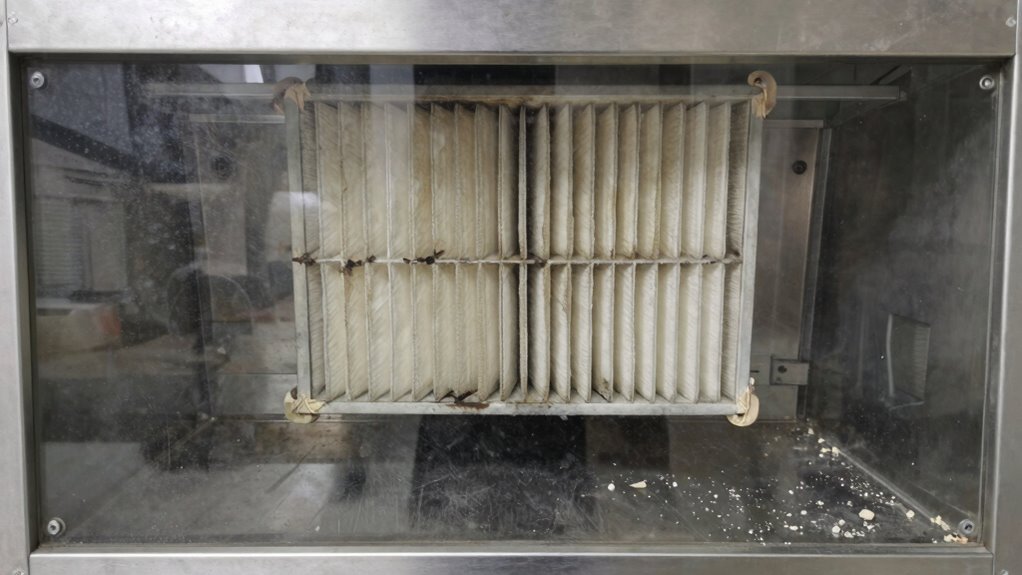
Ductless fume hoods are popular in labs because they eliminate the need for external ventilation, offering a flexible and space-saving solution. However, their effectiveness depends heavily on proper airflow maintenance. You need to guarantee that the airflow stays consistent to protect you from hazardous fumes. When airflow drops, it could mean the filter is clogged or the fan isn’t functioning at its best. Regular checks are essential because inconsistent airflow can compromise safety and reduce the overall efficiency of the fume hood. If airflow isn’t maintained at the right levels, fumes might escape, putting you and others at risk. Staying vigilant about airflow means you’ll catch issues early, avoiding costly repairs and potential safety violations. Additionally, understanding the filter lifespan helps ensure timely replacements and sustained safety performance. Another critical aspect tied to ductless fume hoods is the filter lifespan. These filters are the primary line of defense, trapping contaminants and ensuring safe air recirculation. Over time, filters become saturated with particles, which diminishes their ability to filter effectively. You might notice a decline in performance or an increase in odors if the filter is nearing the end of its lifespan. It’s tempting to delay filter changes, but doing so can lead to compromised safety and increased exposure to hazardous substances. Regularly monitoring the condition of the filter and replacing it as recommended helps maintain a high level of protection and keeps airflow steady. The lifespan of a filter depends on your usage, the types of chemicals involved, and how well you maintain the hood. Changing filters is often viewed as a tedious task, but it’s crucial for both safety and efficiency. Skipping or delaying this process can cause airflow issues, reduce filtration effectiveness, and threaten your safety. When you replace filters on schedule, you’re guaranteeing the fume hood continues to operate as intended, with proper airflow and filtration. Remember, a clogged or expired filter isn’t just about poor air quality; it can also lead to increased energy consumption, as the fan works harder to compensate for airflow restrictions. Staying proactive about filter replacement and airflow checks makes the whole system more reliable, saving you time and hassle in the long run.
ductless fume hood replacement filters
As an affiliate, we earn on qualifying purchases.
As an affiliate, we earn on qualifying purchases.
Frequently Asked Questions
How Often Should Filters Be Replaced in Ductless Fume Hoods?
You should replace filters in ductless fume hoods every 6 to 12 months, depending on your maintenance frequency and usage. Regular inspections help determine if filters are still effective, especially if you notice reduced airflow or odors. Keep track of filter lifespan, as overused filters can compromise safety and efficiency. Staying proactive guarantees your fume hood functions properly, protecting you while minimizing the inconvenience of unexpected filter replacements.
Are There Eco-Friendly Filter Options Available?
Yes, eco-friendly filter options are available for ductless fume hoods. Look for eco alternatives that prioritize green filtration, reducing environmental impact without sacrificing safety. These filters often use sustainable materials or are designed for longer use, decreasing waste. By choosing green filtration options, you help protect the environment and maintain effective containment, making your laboratory practices more sustainable and responsible.
Can Filter Changes Be Performed by Non-Professionals Safely?
You shouldn’t attempt filter changes yourself without proper training, as DIY safety risks are significant. Always follow manufacturer instructions and consider professional assistance to guarantee the job’s done correctly and safely. Handling filters involves potentially hazardous materials, so unless you’re qualified, it’s best to leave this task to trained technicians. This approach minimizes exposure risks and ensures the fume hood maintains its safe, effective operation.
What Are the Signs Indicating Filter Deterioration?
You might notice airflow degradation or a persistent chemical smell, signs that your filter is deteriorating. When filters weaken, they lose chemical resistance, making them less effective at trapping fumes. Additionally, if the airflow feels weaker or inconsistent, it’s a clear indicator you need to change the filter soon. Don’t ignore these signs—they guarantee your safety and maintain proper ventilation in your workspace.
How Much Do Replacement Filters Typically Cost?
Replacement filters usually cost between $50 and $150, depending on the size and type. When you consider filter disposal, remember to follow proper procedures for safe disposal of contaminated filters. Regularly changing filters guarantees your ductless fume hood maintains ideal air quality, preventing the buildup of hazardous fumes. Investing in quality filters might seem costly initially, but it guarantees better protection and reduces the frequency of replacements, saving you money in the long run.
Conclusion
Think of your ductless fume hood as a garden. The filters are your delicate plants—vital, yet often overlooked. When you neglect their care, weeds take over, and the garden suffers. Changing filters might be tedious, but it’s crucial for keeping your workspace healthy and safe. Embrace this routine as tending to your garden; with a little effort, you’ll ensure a vibrant, thriving environment where safety blossoms and problems fade away.
Fall Picks
fall essentials
As an affiliate, we earn on qualifying purchases.