

As a plant engineer in a chemical facility, you oversee daily operations to guarantee safety, efficiency, and reliability. You monitor equipment performance, troubleshoot issues, and implement process improvements to optimize output. You’re responsible for enforcing safety protocols, managing environmental compliance, and aligning with regulations. Your leadership helps build a safety-first culture and promotes sustainable practices. If you continue exploring, you’ll discover more about how your role keeps everything running smoothly.

Get school and study supplies delivered free — and shop member deals
- Fast, free delivery on millions of items
- Access to Prime Big Deal Days deals on October 6–7
- Prime Video, Amazon Music and more included
Key Takeaways
- Oversees daily plant operations to ensure safety, efficiency, and equipment performance.
- Monitors and troubleshoots equipment issues to minimize downtime and optimize production.
- Implements safety protocols and conducts risk assessments to maintain a safe working environment.
- Ensures compliance with environmental regulations and manages waste, emissions, and resource use.
- Acts as a communication link between management, operators, and safety teams, promoting a safety-first culture.
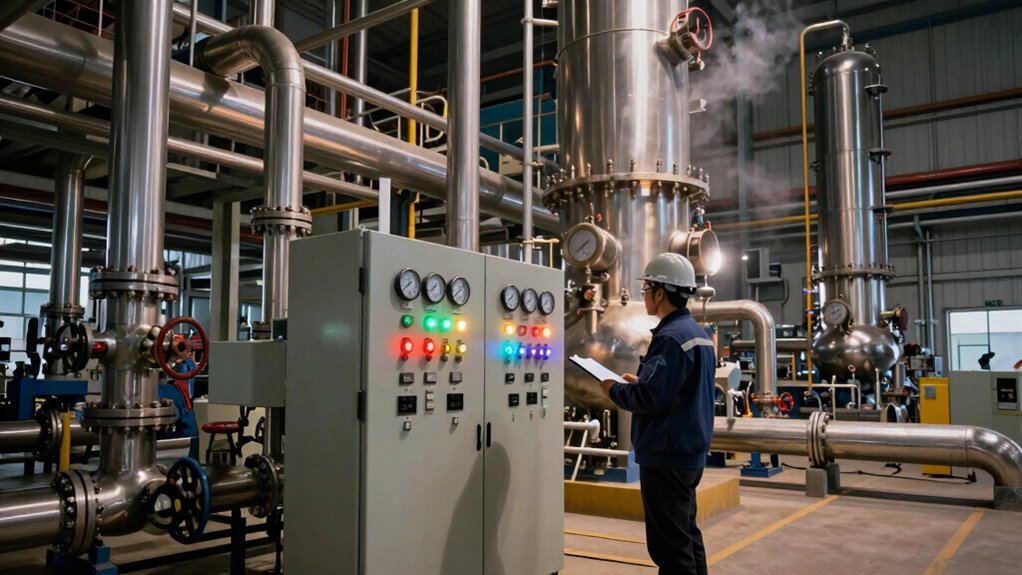
In chemical facilities, plant engineers play a critical role in ensuring operations run safely, efficiently, and reliably. Your primary responsibility is to oversee daily plant activities, making sure processes stay within safety and environmental standards. You actively monitor equipment performance, troubleshoot issues swiftly, and implement improvements to maintain optimal output. Because chemical plants handle hazardous materials, you’re deeply involved in developing and enforcing safety protocols. These protocols aren’t just formalities; they’re essential practices designed to prevent accidents, protect workers, and minimize environmental impact. You regularly review and update safety procedures, ensuring everyone on site understands their roles in maintaining a secure environment.
Plant engineers ensure safe, efficient operations by monitoring equipment, enforcing safety protocols, and maintaining environmental standards daily.
Your work involves a constant balancing act—maximizing productivity while prioritizing safety and environmental responsibility. You oversee the implementation of safety measures, conduct risk assessments, and ensure compliance with regulations set by agencies like OSHA and EPA. This includes managing waste disposal, emissions control, and spill prevention strategies to reduce environmental impact. You also coordinate training sessions to keep staff informed about safety protocols and environmental policies, fostering a culture of awareness and responsibility. When incidents occur, you lead investigations to identify root causes and develop corrective actions, preventing future problems and reinforcing safety standards. Understanding chemical safety protocols is crucial in guiding your decision-making and ensuring adherence to industry standards.
Additionally, staying informed about emerging environmental regulations helps you proactively adjust plant operations to remain compliant and reduce potential liabilities. Your decisions directly influence how well the plant minimizes its ecological footprint. You work closely with environmental engineers and compliance officers to monitor emissions, effluents, and resource consumption, always seeking ways to reduce waste and energy use. Additionally, understanding biodiversity and sustainable practices helps you implement environmentally friendly solutions that benefit both the plant and the surrounding ecosystem. Staying informed about emerging environmental regulations is vital to ensure ongoing compliance and to adapt your strategies as standards evolve. Familiarity with regulatory compliance allows you to proactively address potential issues and maintain operational legality.
Communication is vital in your role. You act as a bridge between management, operators, and safety teams, translating technical information into understandable procedures. You need to be proactive, spotting potential hazards before they escalate, and ensuring safety protocols are followed rigorously. Your leadership helps create a safety-first culture, where everyone understands their part in protecting themselves, the environment, and the company’s reputation. Ultimately, your efforts keep the plant running smoothly, safeguarding the environment and human health while meeting production goals.
As an affiliate, we earn on qualifying purchases.
Frequently Asked Questions
How Do Plant Engineers Handle Emergency Situations?
When emergencies happen, you follow strict emergency protocols to guarantee safety. You quickly assess the situation, activate alarm systems, and coordinate with safety teams. Your role involves managing plant safety by implementing immediate containment measures and guiding personnel to evacuate safely if needed. Staying calm and prepared, you rely on trained procedures to handle the crisis effectively, minimizing risks and protecting both people and equipment.
What Certifications Are Required for Plant Engineers?
You need certifications like Professional Engineer (PE), OSHA safety certifications, and specialized training in plant safety to become a plant engineer. Certification pathways often involve gaining a degree in engineering, accumulating relevant work experience, and passing licensing exams. These credentials guarantee you’re qualified to maintain plant safety standards, handle complex equipment, and respond effectively during emergencies. Staying current with certifications helps you uphold safety regulations and advance your career in chemical facilities.
How Do Plant Engineers Ensure Environmental Compliance?
Like a modern-day alchemist, you guarantee environmental compliance by implementing sustainable practices and rigorous waste management. You monitor emissions, optimize processes, and stay updated on regulations, adjusting operations as needed. By conducting regular audits and collaborating with environmental agencies, you prevent violations and protect the environment. Your proactive approach helps the facility stay eco-friendly, ensuring safety and sustainability for future generations while avoiding costly penalties.
What Tools and Software Do Plant Engineers Commonly Use?
You use tools like SCADA systems and process simulation software to monitor plant operations and guarantee safety protocols are followed. For plant maintenance, you might rely on CMMS software to track equipment performance and schedule repairs. These tools help you analyze data, optimize processes, and maintain safety standards efficiently. Staying updated with industry-specific software ensures you can quickly address issues, keeping the facility operating smoothly and safely.
How Do Plant Engineers Coordinate With Other Departments?
You coordinate with other departments by holding regular meetings and sharing updates on plant maintenance and safety protocols. You collaborate with operations, safety, and maintenance teams to guarantee smooth workflows, address issues promptly, and maintain compliance. By fostering open communication and understanding each department’s needs, you help prevent safety hazards and production disruptions, keeping the plant running efficiently and safely.
Conclusion
Just as Icarus dared to soar toward the sun, you navigate the complex world of chemical plants with precision and care. Your role is essential—balancing safety, efficiency, and innovation—to keep the plant running smoothly. Remember, like Daedalus’s masterful craftsmanship, your expertise shapes the foundation of progress. Stay vigilant, adapt, and continue building a safer, more efficient future, for in your hands lies the power to turn intricate processes into seamless success.
Halloween Picks
halloween
As an affiliate, we earn on qualifying purchases.