When you take a hot shower, warm, moist air rises and hits the cooler glass surfaces, causing water vapor to condense into tiny droplets and fog up your mirror. This happens because of the temperature difference between the warm air and cold glass, which leads to condensation. High humidity levels speed up this process. If you’d like to discover simple ways to prevent fogging and control humidity, there’s more to explore.

Prime made for students and young adults
- Fast, free delivery for dorm and study essentials
- Prime Video and Amazon Music included
- Member-only deals
Key Takeaways
- Warm, moist air from hot showers contacts cooler glass surfaces, causing condensation.
- Higher humidity levels in the bathroom accelerate fog formation on glass.
- The temperature difference between indoor air and the cooler glass triggers condensation.
- Poor ventilation traps moisture, increasing the likelihood of glass fogging.
- Persistent fog indicates high humidity and inadequate moisture control in the bathroom.
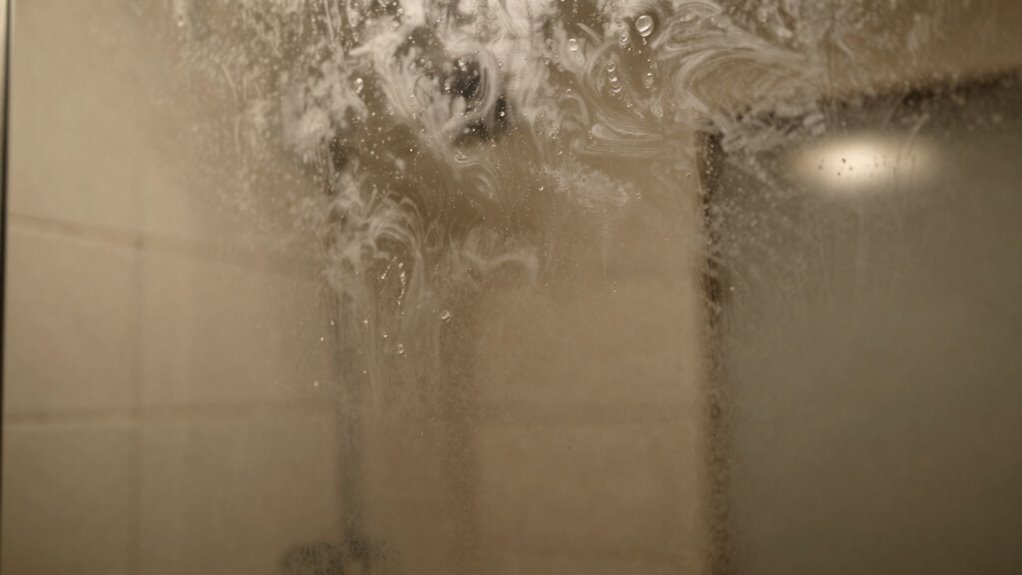
When you take a hot shower, the warm, moist air rises and comes into contact with cooler surfaces, like the bathroom mirror or glass doors. This causes humidity buildup on those surfaces, leading to mirror condensation. The difference in temperature between the warm, humid air and the cooler glass makes the moisture in the air turn into tiny water droplets on the surface. This is why your mirror fogs up so quickly after a shower starts. The process is natural and happens because of the physics of condensation, where water vapor changes into liquid when it cools down.
As you shower, your bathroom becomes filled with humid air, which can be several times more humid than the outside environment. When this humid air hits the cooler mirror or glass, it cools rapidly, and the water vapor condenses into tiny droplets, creating a foggy appearance. This is mirror condensation at work, and it’s a common phenomenon in bathrooms worldwide. The more water vapor in the air, the faster and thicker the fog will form on these surfaces. If you take quick, hot showers regularly, you’ll notice the mirror fogs up almost immediately, making it hard to see your reflection.
This fogging isn’t just a minor annoyance; it’s a clear indicator of high humidity levels inside your bathroom during and after a shower. The moisture doesn’t just sit in the air; it settles on cooler surfaces, creating a layer of condensation. Over time, if this humidity isn’t managed, it can lead to mold growth or damage to bathroom fixtures and walls. Proper ventilation** solutions like exhaust fans or opening windows can help reduce this humidity buildup. These methods help to lower the humidity in the room, so less moisture settles on your mirror and glass surfaces. Utilizing ventilation solutions** can significantly improve indoor air quality and prevent excess humidity.
Understanding why your mirror fogs up helps you see the science behind it, but it also points to practical solutions. When you actively manage humidity levels, the condensation on your mirror diminishes, and you’ll find it easier to get ready after a shower. Using a squeegee or a quick wipe can also clear the fog faster, but addressing the root cause—humidity buildup—is the most effective way to keep your bathroom clear of persistent fogging. Proper humidity control can make a noticeable difference in reducing fogging and maintaining a comfortable bathroom environment. Ultimately, the fogging occurs because of the temperature difference and moisture in the air, but with proper ventilation and moisture control, you can keep your mirrors clear and your bathroom more comfortable.
As an affiliate, we earn on qualifying purchases.
Frequently Asked Questions
Can Anti-Fog Sprays Permanently Prevent Glass Fogging?
Anti-fog sprays and glass treatments can reduce fogging temporarily, but they don’t provide a permanent solution. Over time, these anti-fog coatings wear off due to cleaning and regular use. To maintain clear glass longer, you might need to reapply the treatments regularly. While effective initially, permanent prevention isn’t guaranteed, so understanding this helps you manage expectations and keep your bathroom mirror clear with proper maintenance.
Does the Type of Glass Affect Fogging?
Think of glass like a sponge—some absorb more moisture than others. The type of glass definitely affects fogging; for example, tempered glass tends to resist fog formation better than standard glass, maintaining clearer glass clarity. You’ve probably noticed that some mirrors fog faster, which shows how surface treatments and composition influence fogging. So, choosing the right glass can considerably reduce fog formation and improve visibility during steamy bathroom showers.
How Long Does Fogging Typically Last?
Mirror condensation from steam buildup usually lasts for about 10 to 15 minutes after you shower. The duration depends on factors like bathroom ventilation, humidity levels, and the type of glass. To reduce fogging, you can turn on the exhaust fan or open a window. Keep in mind, thicker glass tends to fog up less and clears faster, helping you see clearly sooner after your shower.
Are There Natural Remedies to Reduce Fogging?
You can try natural remedies like using humidifiers or dehumidifiers to manage fogging. Humidifiers add moisture to the air, which might help balance humidity levels, while dehumidifiers pull excess moisture away, reducing condensation on your glass. Keep the bathroom well-ventilated by opening windows or using exhaust fans, and consider placing a small bowl of silica gel or charcoal to absorb excess humidity naturally. These subtle steps can make a noticeable difference.
Does Ventilation Impact the Fogging Process?
Yes, ventilation considerably impacts the fogging process. When you improve humidity control and increase air circulation, you reduce the moisture that causes fogging. Proper ventilation helps carry away humid air and replace it with drier air, preventing condensation on your bathroom glass. Using exhaust fans or opening windows can make a big difference, and maintaining good air flow keeps your mirror clear and fog-free.
Conclusion
So, next time your mirror turns into a cloudy mirror maze, remember it’s just your bathroom’s way of putting on a steamy show. The fog is like a fleeting whisper of warmth clinging to the cool glass, blurring your reflection like a watercolor painting. Embrace the mist as a reminder of the warm, humid world you’ve created inside. After all, it’s just your bathroom’s way of blushing in steam, turning everyday moments into a fleeting, foggy masterpiece.
Fall Picks
fall essentials
As an affiliate, we earn on qualifying purchases.