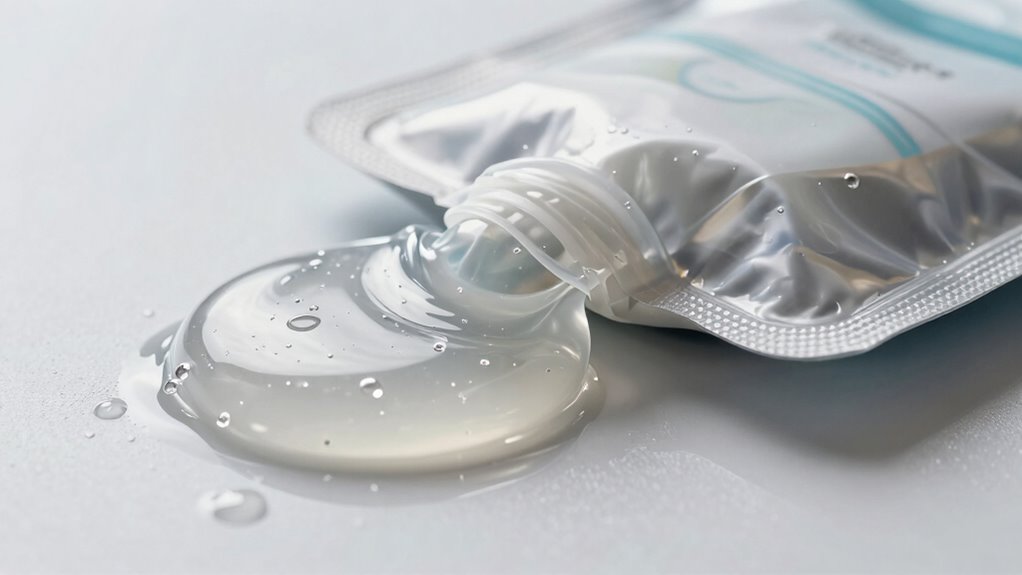

Ice packs and instant cold packs work through clever chemical reactions that absorb heat quickly to provide relief. Ice packs use freezing water or salts in a freezer, while instant packs contain chemicals like ammonium nitrate separated by a barrier. When activated, these chemicals mix and dissolve, releasing an exothermic reaction that pulls heat from your skin, cooling the area. To discover how these reactions are carefully designed for safe, fast relief, keep exploring this fascinating science.

Prime made for students and young adults
- Fast, free delivery for dorm and study essentials
- Prime Video and Amazon Music included
- Member-only deals
Key Takeaways
- Ice packs cool by transferring heat from the skin, lowering cellular activity and reducing inflammation and pain.
- Instant cold packs use chemical reactions, such as dissolving ammonium nitrate, to produce rapid cooling through endothermic processes.
- The dissolution of reactive chemicals absorbs heat, creating a cooling sensation despite the exothermic nature of the reactions.
- Reaction kinetics and material properties are engineered for predictable, safe, and effective temperature regulation.
- Advances in chemical engineering optimize cold pack performance, safety, and user convenience through controlled reactions.
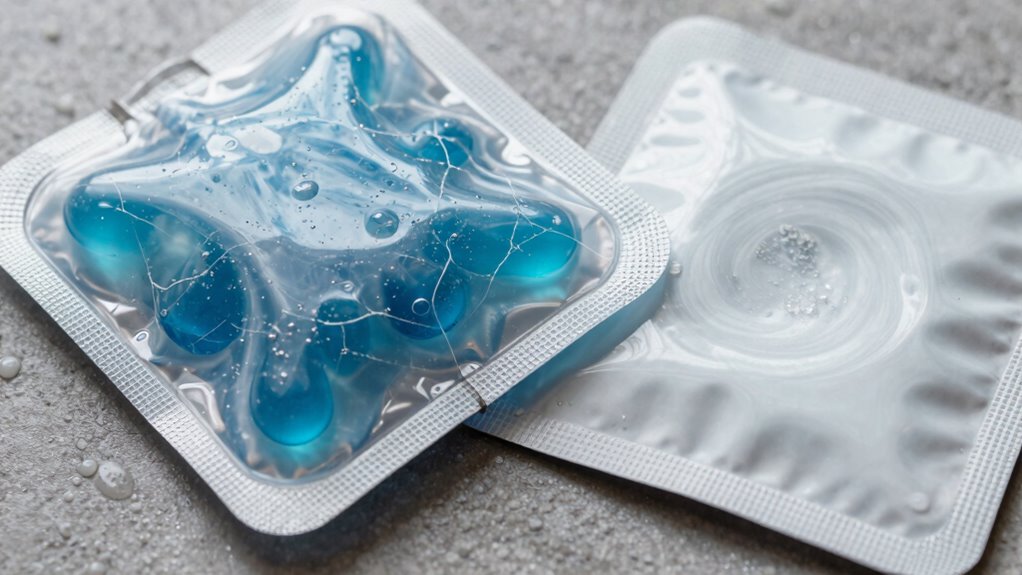
When you need quick relief from pain or swelling, ice packs and cold packs are vital tools. These devices work by rapidly lowering the temperature of the affected area, which helps reduce inflammation and numb pain. But behind their effectiveness lies a fascinating chemistry that makes them so dependable and easy to use. Ice packs typically contain water, sometimes mixed with salts or other substances, that freeze into a solid when stored in a freezer. When you apply the ice pack to your skin, it cools the area through heat transfer, pulling warmth away from your body to slow down cellular activity and decrease swelling.
Ice and cold packs quickly decrease pain and swelling through effective heat transfer and chemical reactions.
Cold packs, especially instant ones, rely on carefully engineered chemical reactions to produce their cooling effect. These packs contain reactants separated by a barrier. When you activate the pack—usually by squeezing or breaking a seal—the barrier breaks, allowing the reactants to mix. This mixing triggers an exothermic chemical reaction, which releases heat initially, but the overall process results in a rapid drop in temperature. This sudden temperature regulation is what makes instant cold packs so convenient—they generate cold without needing to be frozen beforehand. The chemicals involved often include compounds like ammonium nitrate or urea, which have properties that facilitate quick cooling when they dissolve in water.
The key to these cold packs’ functionality is their ability to harness chemical reactions for temperature regulation. The exothermic reactions release energy, but the process of dissolving these substances absorbs heat from the pack itself, creating a cooling sensation. Essentially, the chemical reaction acts as a heat sink, drawing warmth from your skin and the surrounding tissue. This process happens rapidly, offering immediate relief. Because the chemicals are carefully chosen to produce a controlled, predictable temperature change, you get consistent cooling performance every time. Reaction kinetics play a crucial role in how quickly and effectively these packs work, ensuring reliable cooling in a matter of seconds.
Understanding the chemical reactions involved in these packs reveals how precise material properties and reaction kinetics are used to ensure safety and effectiveness. In both ice packs and instant cold packs, the science of chemical reactions is central. The design ensures that when activated, energy flows in a way that produces a quick, effective cooling effect. This careful balance of reaction kinetics and material properties allows the packs to maintain a safe, stable temperature during use. Additionally, material properties such as solubility and thermal conductivity are carefully selected to optimize performance. Moreover, advancements in chemical engineering have improved the safety and performance of these packs, making them more reliable and user-friendly. Whether it’s a traditional frozen pack or a portable instant cold pack, understanding how chemical reactions operate to regulate temperature highlights the clever chemistry behind these everyday medical tools. They’re more than just cold compresses—they’re products of precise chemical engineering aimed at delivering fast, reliable relief.
instant cold pack for pain relief
As an affiliate, we earn on qualifying purchases.
As an affiliate, we earn on qualifying purchases.
Frequently Asked Questions
How Long Do Ice Packs Typically Stay Cold?
Ice packs typically stay cold for about 15 to 30 minutes, depending on their temperature duration and insulation effects. If they’re well-insulated, they can remain cold longer, sometimes up to an hour. The initial temperature and how much the pack is used also influence how long it stays cold. To maximize cooling, keep the pack frozen solid and minimize exposure to warm environments.
Are There Any Safety Concerns With Instant Cold Packs?
You should be cautious with instant cold packs, as improper use can pose safety concerns. For example, if the pack leaks, chemicals like ammonium nitrate may come into contact with your skin, causing irritation. It’s essential to check chemical stability and packaging safety before use. Always follow instructions, avoid puncturing the pack, and keep it out of reach of children to prevent accidental injuries or chemical exposure.
Can Ice Packs Be Reused Multiple Times?
Yes, you can reuse ice packs multiple times if they feature reusable designs and maintain chemical stability. Reusable ice packs are designed with durable materials that can withstand repeated freezing and thawing. To guarantee safety and effectiveness, check for any leaks or damage before reusing, and follow the manufacturer’s instructions. Properly storing and handling your ice pack helps preserve its chemical stability, making it a reliable cold source over many uses.
What Are the Environmental Impacts of Ice Pack Materials?
They say “you are what you throw away,” so consider the environmental impacts of ice pack materials. Many contain chemicals that pose risks of chemical runoff if not disposed of properly. To minimize harm, opt for eco-friendly disposal methods and avoid puncturing or breaking the packs. Choosing reusable or biodegradable options helps reduce chemical waste and environmental pollution, keeping your health and the planet safe.
How Do Different Chemicals Affect the Cooling Efficiency?
Different chemicals influence cooling efficiency through their chemical reactions and ability to regulate temperature. For example, endothermic reactions absorb heat, providing faster cooling, while some salts or ammonium compounds do this more effectively than others. You’ll find that chemicals with rapid, sustained endothermic reactions offer better temperature regulation. Selecting the right chemicals guarantees the cold pack cools quickly and maintains low temperatures longer, optimizing its therapeutic and practical performance.
Conclusion
Now, imagine the chilling burst of a cold pack that soothes your swelling, contrasting with the warm, comforting embrace of an ice pack melting slowly on a sunny day. Both use science to bring relief, yet one is quick and instant, while the other offers a gentle, sustained coolness. By understanding their chemistry, you can choose the perfect pack for any injury or comfort need—simple science making life a little easier and a lot cooler.
Halloween Picks
halloween
As an affiliate, we earn on qualifying purchases.