
Induction sealers rely on the chemistry of multilayer liners to create a strong, hermetic bond. The foil layer responds to electromagnetic energy, heating the polymer layers that contain adhesives and sealants. Proper formulation guarantees compatibility with your container surface, whether glass, plastic, or metal. Adjusting sealing parameters based on liner chemistry helps prevent issues like delamination or weak seals. Keep exploring to uncover more strategies for optimizing your sealing process and ensuring product safety.

Prime made for students and young adults
- Fast, free delivery for dorm and study essentials
- Prime Video and Amazon Music included
- Member-only deals
Key Takeaways
- The foil layer in liners absorbs electromagnetic energy, generating heat to activate the polymer layers for bonding.
- Polymer layers contain adhesives and sealants designed for specific container surface chemistries.
- Multilayer liner structures optimize heat transfer and adhesion, ensuring strong, tamper-evident seals.
- Compatibility of liner materials with container surfaces prevents delamination and seal failure.
- Proper formulation of liner chemistry enhances sealing efficiency, durability, and safety of packaged products.
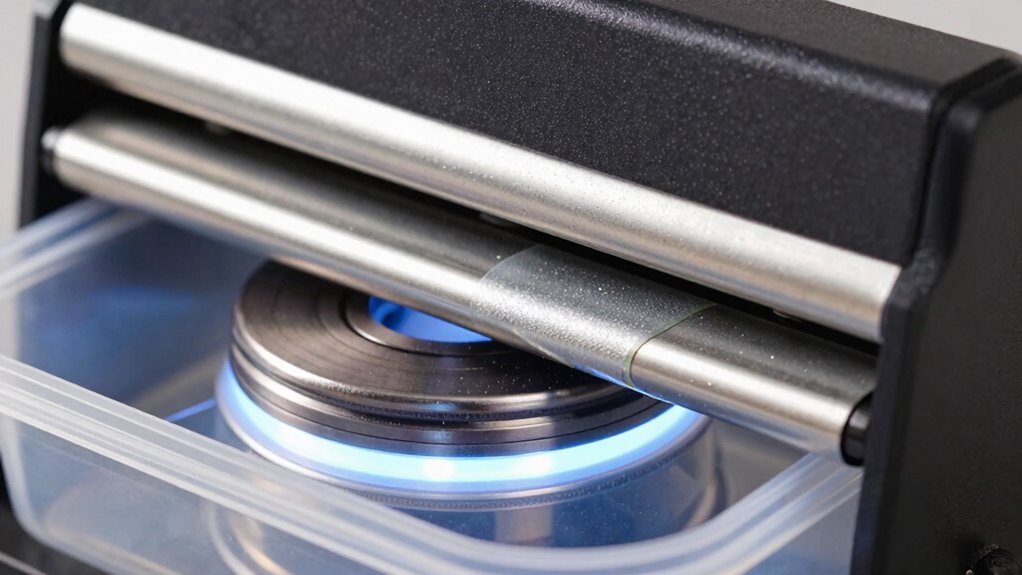
Induction sealers are vital tools for guaranteeing the safety and integrity of packaged products. They create a hermetic seal by applying electromagnetic energy to a foil liner, which then bonds securely to the container’s opening. This process not only prevents contamination but also extends shelf life. One of the key factors influencing the effectiveness of induction sealing is sealing efficiency. Achieving ideal sealing efficiency means that the liner bonds uniformly and strongly to the container, preventing leaks or tampering. To do this, you need to understand the chemistry behind the liner materials and how they interact with different packaging surfaces. Proper sealing efficiency depends on the right combination of liner composition, sealing parameters, and container surface properties. When these elements work together seamlessly, you get a reliable, tamper-evident seal that maintains product freshness and safety.
Achieving effective induction sealing requires understanding liner chemistry, surface compatibility, and optimal sealing parameters for reliable, tamper-evident protection.
Material compatibility plays a vital role in the success of induction sealing. Different containers, such as glass, plastic, or metal, require liners formulated specifically for their surface characteristics. If the liner isn’t compatible with the container material, the bond might be weak or inconsistent, leading to compromised seals. For example, when sealing plastic bottles, you need liners with materials that can form a strong bond without damaging the container. Conversely, metal containers may require liners that can adhere effectively without causing corrosion or damage. Understanding the liner’s chemistry helps you select the appropriate material for each application, ensuring that the bond forms properly without negatively affecting the container or the product inside. Additionally, material compatibility is essential for preventing issues like delamination or corrosion that can compromise the seal’s integrity over time. Recognizing how liner chemistry interacts with different surfaces can also help in preventing sealing failures, saving time and resources. Moreover, optimizing the sealing process by adjusting parameters based on material properties can further enhance overall performance. A comprehensive knowledge of liner performance is crucial for troubleshooting and improving sealing outcomes.
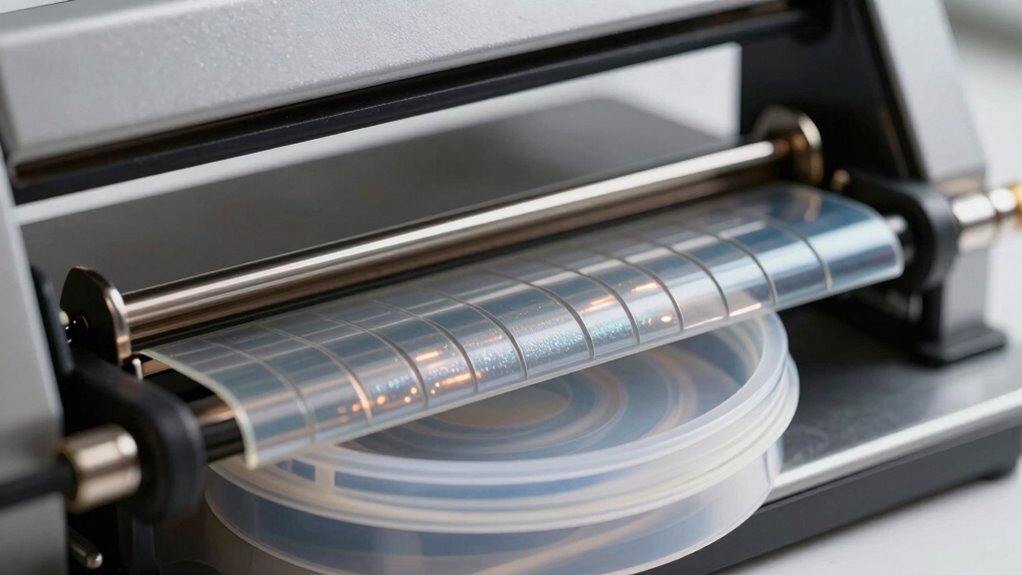
The chemistry behind the liner involves a multilayer structure designed to activate under electromagnetic energy. Typically, the liner contains a foil layer that responds to induction heating, along with polymer layers that melt and bond to the container. The polymer layers are formulated with specific adhesives and sealants tailored to match the surface energy and composition of the container. When the induction sealer activates, the foil heats rapidly, transferring heat to the polymer layers. This process creates a seamless, airtight seal. The liner’s formulation must be carefully matched to the container’s material to maximize sealing efficiency and ensure compatibility, preventing issues like delamination or weak bonds. A thorough understanding of this chemistry enables manufacturers and operators to troubleshoot and improve the sealing process effectively.
In essence, understanding the liner chemistry behind induction sealing helps you troubleshoot problems, optimize sealing parameters, and select the right liners for your packaging needs. It’s about balancing sealing efficiency with material compatibility to achieve a secure, tamper-evident, and durable seal for your products. When you master these elements, you enhance the safety and quality of your packaged goods, building trust with your customers and safeguarding your brand’s reputation.
As an affiliate, we earn on qualifying purchases.
Frequently Asked Questions
How Do Liner Materials Affect Sealing Durability?
Your choice of liner materials directly impacts sealing durability through liner composition and sealant compatibility. A well-matched liner ensures a strong bond, resisting leaks and preserving product integrity. If the liner chemistry isn’t compatible with the sealant, the seal weakens over time, leading to potential failures. Consequently, selecting liners with suitable composition and ensuring compatibility with the sealant is essential for maintaining a durable, secure seal.
Can Induction Sealers Be Used on Irregularly Shaped Containers?
You can absolutely use induction sealers on irregularly shaped containers, but container flexibility plays a key role. While rigid shapes might pose challenges, flexible containers conform better, ensuring seal integrity. The sealing process adapts to contours, creating a consistent bond despite irregularities. This balance between flexibility and sealing technology allows you to achieve reliable, airtight seals even on uniquely shaped containers, maintaining product safety and quality.
What Environmental Factors Influence Liner Performance?
Environmental factors like temperature fluctuations and humidity substantially influence liner performance. You need to take container compatibility into account to guarantee the liner adheres properly under varying conditions. Temperature resilience is essential; if the environment is too hot or cold, the liner may lose its sealing ability or become brittle. By choosing liners designed to withstand specific environmental conditions, you can maintain a strong, reliable seal and protect your product effectively.
Are There Health Concerns With Liner Chemicals?
Think of liner chemicals like a secret recipe—some ingredients, if not carefully chosen, could pose health risks. While most liners are designed for chemical stability, concerns about liner toxicity do exist, especially if manufacturing quality falters. To keep consumers safe, regulations guarantee that hazardous chemicals are minimized or eliminated, so you can trust that well-made liners won’t compromise health. Always check product labels for safety certifications.
How Do Liner Chemistries Differ for Food Versus Pharmaceutical Products?
You’ll find that liner chemistries differ for food and pharmaceutical products mainly in liner compatibility and chemical stability. Food liners often prioritize barrier properties and safety for edible items, using materials that prevent contamination. Pharmaceutical liners focus on chemical stability to guarantee they don’t react with medicines. Both require compatibility with sealing equipment, but the formulations are tailored to meet strict safety and stability standards specific to each industry.
Conclusion
Now, imagine the liner chemistry as the silent hero behind a perfect seal. While it may seem simple, that bond depends on complex interactions in the liner materials and induction sealer design. Some believe the chemistry creates a “magnetic handshake,” ensuring a secure closure. In truth, understanding these interactions helps you choose the right liner, guaranteeing your products stay fresh and protected. It’s a fascinating dance of science and engineering working behind the scenes.
Fall Picks
fall essentials
As an affiliate, we earn on qualifying purchases.