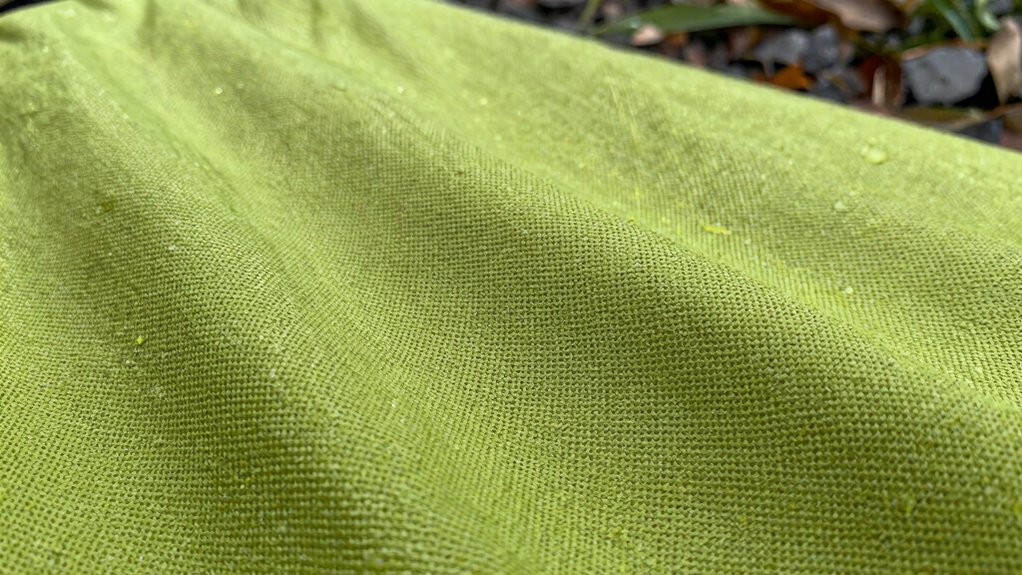

Waterproof fabrics achieve durability through nanotechnology coatings that create an invisible, hydrophobic barrier. These coatings line fabric pores without clogging, preventing water molecules from penetrating while still allowing moisture vapor to escape. This balance keeps you dry and comfortable during outdoor activities. The chemistry involves engineering tiny particles that enhance water resistance, breathability, and fabric longevity. By understanding this innovative science, you’ll uncover how modern textiles protect you so effectively in all conditions.

Get school and study supplies delivered free — and shop member deals
- Fast, free delivery on millions of items
- Access to Prime Big Deal Days deals on October 6–7
- Prime Video, Amazon Music and more included
Key Takeaways
- Nanotechnology coatings create a hydrophobic barrier that prevents water penetration while maintaining breathability.
- Water-repellent fabrics leverage engineered nanometer-scale particles that line pores without clogging, preserving airflow.
- The chemistry involves designing coatings that repel water molecules through surface energy manipulation.
- Application methods like spray or immersion form invisible, durable layers that enhance fabric longevity.
- Advances in material science enable the development of lightweight, flexible textiles that are both waterproof and breathable.
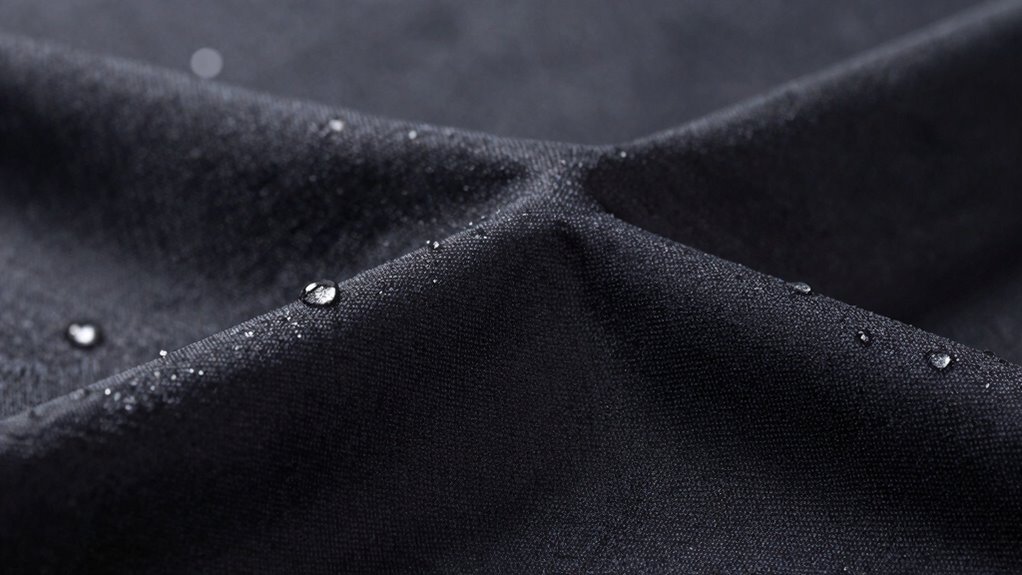
Have you ever wondered how outdoor gear stays dry even in heavy rain? The secret lies in the chemistry of waterproof fabrics, which often incorporate advanced technologies like nanotechnology coatings. These tiny, engineered particles form a barrier on the fabric’s surface, preventing water molecules from penetrating while still allowing air and moisture vapor to escape. Unlike traditional waterproofing methods, nanotechnology coatings create a seamless, durable layer that resists wear and environmental damage over time. This means your gear remains effective longer, even after repeated use and exposure to the elements. The nanometer-scale particles are so small that they don’t clog the fabric’s pores but rather line them, making the fabric highly resistant to water infiltration while maintaining its breathability. This concept is vital because it guarantees you stay dry without feeling suffocated inside your gear, especially during intense physical activity. Additionally, the hydrophobic properties of nanocoatings enhance water resistance by actively repelling water droplets, further improving durability and performance. These coatings also contribute to the fabric’s overall longevity, ensuring it withstands environmental stressors such as UV exposure and abrasion more effectively. The chemistry behind these coatings involves precise engineering at the molecular level to optimize both water repellency and breathability. Furthermore, ongoing research in materials science continues to push the boundaries of waterproof fabric technology, making these textiles more versatile and reliable.
Breathability enhancement is another key element in waterproof fabric technology. It’s not enough for a fabric to repel water; it also needs to allow moisture vapor from your body to escape. Otherwise, you end up feeling clammy and uncomfortable, defeating the purpose of having waterproof gear. Manufacturers achieve this balance by manipulating the fabric’s microstructure—often through specialized coatings or membrane layers—that permits water vapor to pass through while blocking liquid water. These innovations prevent sweat buildup inside your clothing while keeping external rain out. When combined with nanotechnology coatings, breathability enhancement ensures that your outdoor experience remains comfortable, regardless of the weather. It’s a delicate dance of science: creating a fabric that is both impermeable to water and permeable to vapor. The integration of nanotechnology into fabric design exemplifies how modern chemistry improves everyday materials, making outdoor activities more enjoyable.
The chemistry behind waterproof fabrics is a fascinating blend of materials science and nanotechnology, resulting in textiles that are tough yet breathable. The nanotech coatings are often hydrophobic, meaning they repel water, but they are also engineered to maintain airflow. These coatings are applied through processes like spray-on treatments or immersion, creating a thin, invisible shield that doesn’t compromise fabric flexibility or comfort. As a result, you get gear that performs reliably in wet conditions without sacrificing breathability or comfort. This technology continues to evolve, making waterproof fabrics lighter, more durable, and more effective at managing moisture. Whether you’re hiking, cycling, or just caught in a downpour, understanding the chemistry behind these fabrics helps you appreciate how they keep you dry and comfortable in even the harshest weather.
As an affiliate, we earn on qualifying purchases.
Frequently Asked Questions
How Do Waterproof Fabrics Maintain Breathability?
You can see that waterproof fabrics stay breathable through vapor transmission, which allows moisture vapor from your body to escape while blocking liquid water. This works because of the fabric microstructure—tiny pores small enough to prevent water droplets but large enough for vapor molecules. By balancing these pore sizes, the fabric maintains durability and breathability simultaneously, keeping you dry and comfortable during active wear or adverse weather conditions.
Are Waterproof Fabrics Environmentally Friendly?
Waterproof fabrics aren’t always eco-friendly, but they can be. You’ll find eco-friendly coatings designed to reduce environmental impact, like biodegradable finishes or water-based solutions. Sustainable production practices also play a role, minimizing pollution and waste in manufacturing. While some waterproof fabrics still rely on chemicals that aren’t ideal, advancements are making them greener. So, with conscious choices, you can enjoy durable water repellency without compromising the planet.
What Is the Lifespan of a Waterproof Coating?
The lifespan of a waterproof coating typically ranges from 20 to 50 washes or about 1 to 3 years, depending on use. Coating degradation occurs over time due to exposure to environmental factors, while chemical stability influences how long the coating remains effective. You can extend its durability by following care instructions, avoiding harsh detergents, and minimizing abrasion, which helps maintain water repellency longer.
Can Waterproof Fabrics Be Recycled?
You can recycle waterproof fabrics, but it’s often challenging due to their complex coatings. Only about 5% of textiles are recycled globally, highlighting the need for better processes. Recycling involves specialized processes like mechanical or chemical methods. Eco-friendly alternatives, such as biodegradable finishes, are emerging to reduce environmental impact. While recycling is possible, opting for sustainable fabrics helps minimize waste and supports environmentally responsible choices.
How Do Different Chemicals Affect Waterproof Fabric Durability?
Different chemicals impact waterproof fabric durability through chemical interactions that either reinforce or weaken the coating. For example, silicone-based treatments form flexible, lasting bonds, enhancing coating durability, while some fluorochemicals may degrade over time due to environmental exposure. Harsh chemicals like solvents can break down protective layers, reducing water repellency. You should choose treatments carefully, considering how chemical interactions influence long-term durability and performance of your waterproof fabric.
Conclusion
As you embrace the journey of waterproof fabrics, remember they’re more than just textiles—they’re shields against the storm, guardians of your adventures. Their chemistry, a silent symphony of repellency and resilience, whispers promises of durability. With each fiber, you carry the essence of protection, a symbol of resilience woven into every thread. So, trust in their strength, and let them be your armor against the unpredictable, turning every rainstorm into a dance of defiance and discovery.
Fall Picks
fall essentials
As an affiliate, we earn on qualifying purchases.