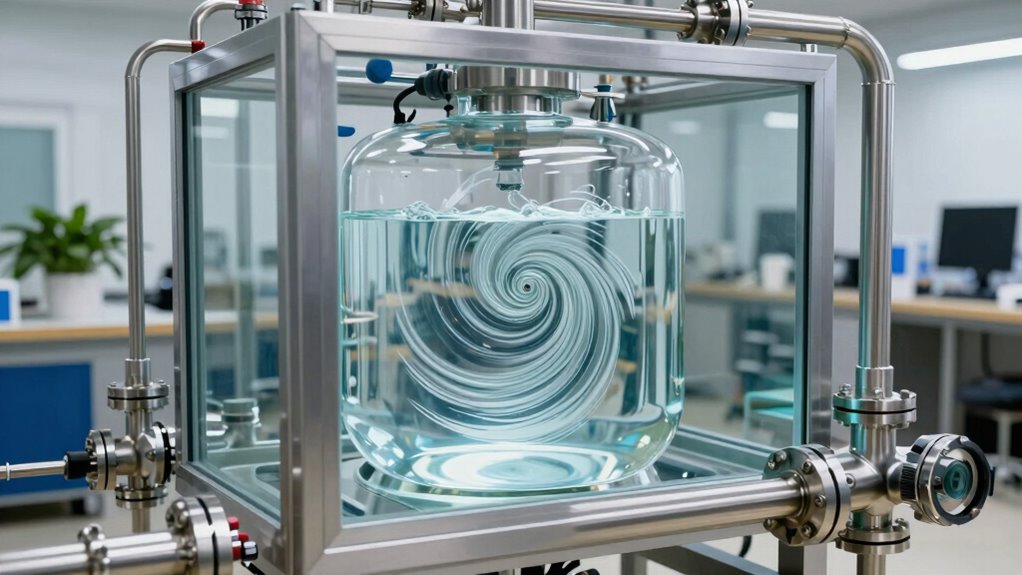

Solvent recovery is a quick sustainability win because it cuts emissions, reduces hazardous waste, and lowers costs by recycling solvents instead of producing new ones. It improves operational efficiency and helps you stay compliant with strict environmental regulations. Plus, it enhances your company’s reputation for eco-friendly practices. If you want to discover more about how this powerful approach can deliver rapid environmental and financial benefits, explore further.

Get school and study supplies delivered free — and shop member deals
- Fast, free delivery on millions of items
- Access to Prime Big Deal Days deals on October 6–7
- Prime Video, Amazon Music and more included
Key Takeaways
- Rapid environmental impact reduction through immediate emission and waste minimization.
- Cost-effective solution that quickly lowers chemical purchase and disposal expenses.
- Supports compliance with evolving regulations, avoiding penalties and enhancing market reputation.
- Accelerates resource conservation by recycling solvents, reducing raw material extraction.
- Demonstrates measurable sustainability commitments, appealing to eco-conscious consumers and partners.
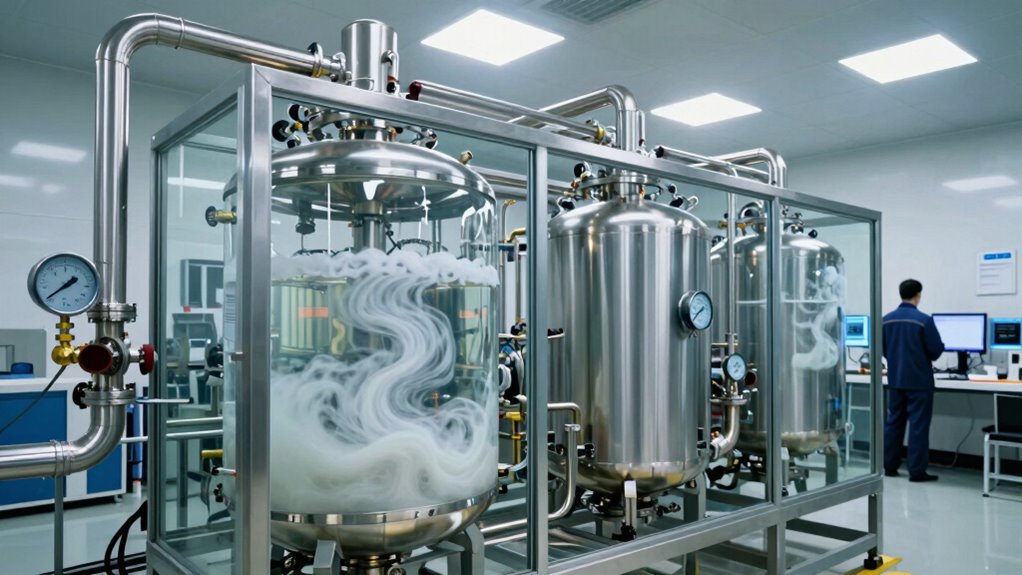
Have you ever considered how solvent recovery can boost your company’s sustainability efforts? Implementing solvent recovery systems isn’t just about cutting costs; it’s a strategic move toward reducing your environmental footprint. By capturing and recycling solvents, you’re actively participating in chemical recycling, which minimizes waste and conserves resources. This practice directly impacts your company’s environmental impact, helping you meet regulatory requirements and satisfy environmentally conscious consumers.
Implementing solvent recovery enhances sustainability, reduces waste, and helps meet regulations while conserving resources.
Chemical recycling through solvent recovery transforms used solvents into reusable materials, reducing the need for virgin chemical production. This process cuts down on the energy and raw materials required to create new solvents, making it a highly efficient form of recycling. You’re not merely disposing of waste; you’re giving it a second life. This approach aligns with circular economy principles, turning waste streams into valuable resources and reducing the volume of hazardous waste that might otherwise end up in landfills or water systems. Additionally, adopting advanced filtration technology can further optimize your recovery processes and enhance environmental benefits.
From an environmental perspective, solvent recovery considerably lowers emissions linked to solvent manufacturing and disposal. Fewer emissions mean cleaner air and less contribution to climate change. This process also reduces the risk of spills and leaks, which can contaminate soil and water, further lessening your company’s environmental impact. As regulations grow stricter, adopting solvent recovery can help you stay ahead of compliance standards, avoiding penalties and demonstrating your commitment to sustainable practices. Incorporating recycling techniques ensures that your systems are operating at maximum efficiency. Moreover, integrating monitoring systems can provide real-time data to improve your recovery efficiency and ensure compliance with environmental standards.
Furthermore, solvent recovery enhances your operational efficiency. Recycling solvents reduces the need for purchasing new chemicals, leading to cost savings that can be reinvested into other sustainability initiatives. It also minimizes the need for waste transportation, decreasing fuel consumption and emissions associated with waste disposal. Additionally, utilizing innovative technology in solvent recovery systems can further optimize your processes and reduce operational costs.
Incorporating solvent recovery into your processes sends a clear message: you value sustainability and are committed to reducing environmental harm. It’s a tangible way to showcase your corporate responsibility and appeal to environmentally aware clients and partners. As industries shift towards greener practices, investing in solvent recovery systems positions you as a leader in sustainable manufacturing. Ultimately, this practice isn’t just good for the planet; it’s good for your business, aligning economic benefits with ecological responsibility. By embracing chemical recycling through solvent recovery, you’re making a smart, impactful choice that accelerates your journey toward true sustainability.
As an affiliate, we earn on qualifying purchases.
Frequently Asked Questions
What Industries Benefit Most From Solvent Recovery Systems?
You’ll find that industries like pharmaceuticals, automotive, and electronics benefit most from solvent recovery systems. They often deal with significant industrial emissions and prioritize waste minimization, making solvent recovery essential. By recapturing and reusing solvents, these industries reduce pollution, lower costs, and improve sustainability efforts. Implementing solvent recovery helps meet environmental standards and enhances overall operational efficiency, making it a smart choice for eco-conscious companies seeking quick, impactful sustainability wins.
How Does Solvent Recovery Impact Overall Operational Costs?
Solvent recovery considerably reduces your overall operational costs by cutting down on the purchase of new solvents and lowering waste disposal expenses. With efficient recovery systems, you experience substantial cost savings and waste reduction, which improves your bottom line. By reusing solvents, you also decrease environmental impact, making your operations more sustainable. This dual benefit makes solvent recovery a smart investment for cost-conscious and environmentally responsible businesses.
Are There Any Regulatory Incentives for Implementing Solvent Recovery?
You can benefit from regulatory incentives like exemptions when you implement solvent recovery, which can reduce compliance burdens. Many regions also offer tax incentives to encourage sustainable practices, including solvent recovery systems. These incentives make it financially advantageous to adopt eco-friendly solutions, helping you save money while meeting environmental standards. By leveraging regulatory exemptions and tax incentives, you not only improve sustainability but also gain a competitive edge in your industry.
What Are Common Challenges in Adopting Solvent Recovery Technology?
You face hurdles like costly maintenance and equipment compatibility issues that can seem as intimidating as climbing a mountain. These challenges make adopting solvent recovery technology tricky, requiring significant investment and careful planning. You need to guarantee your existing systems can integrate seamlessly without breaking the bank. Overcoming these obstacles is essential, as the long-term savings and sustainability benefits make the effort worthwhile, transforming your operations into a greener, more efficient powerhouse.
How Does Solvent Purity Affect Recovery Process Efficiency?
Your solvent purity directly impacts recovery process efficiency because impurities like solvent degradation can lower recovery rates. When solvent purity decreases, recovery becomes more difficult, leading to increased waste and costs. Regular purity measurements help you monitor these changes, ensuring maximum recovery. By maintaining high solvent purity, you improve efficiency, reduce waste, and support sustainability goals, making the recovery process faster and more effective overall.
Conclusion
While embracing new green technologies is exciting, solvent recovery remains a swift, practical win for sustainability. It’s a reminder that sometimes, the most immediate impact comes from refining what we already have—turning waste into resource. In a world enthusiastic for innovation, don’t overlook the power of smarter, existing solutions. After all, progress isn’t just about new ideas; it’s about making the most of what’s already within reach.
Halloween Picks
halloween
As an affiliate, we earn on qualifying purchases.