
When analyzing biosimilars for comparability, you examine their structure, function, and manufacturing process to make sure they match the original biologic. You use advanced techniques like mass spectrometry and bioassays to identify even minor differences. Consistent production methods, based on Good Manufacturing Practices, help maintain quality. Clinical studies then confirm similar safety and effectiveness in patients. To understand the detailed steps involved, continue exploring how each component works together to establish biosimilar similarity.
Key Takeaways
- Analytical techniques compare biosimilar and reference product structures, functions, and post-translational modifications.
- Manufacturing consistency is ensured through GMP to minimize batch-to-batch variability.
- Clinical studies assess pharmacokinetics, pharmacodynamics, and immunogenicity to confirm similar performance.
- Regulatory standards require comprehensive data integrating analytical, manufacturing, and clinical evaluations.
- Overall comparability is demonstrated by combining scientific evidence to ensure safety, efficacy, and quality.
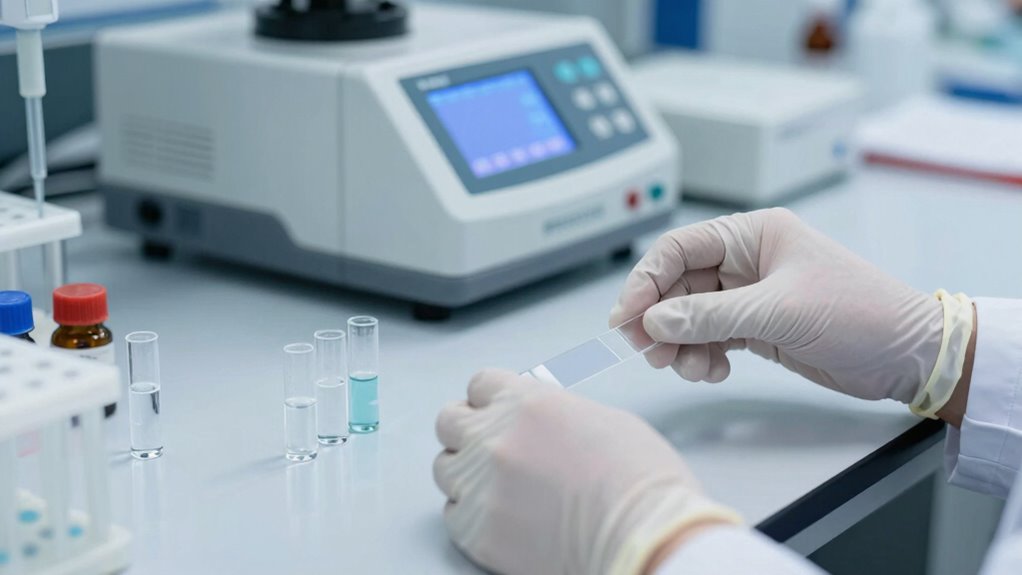
Have you ever wondered how biosimilars are evaluated to guarantee they match their reference products? The process is meticulous, relying heavily on strict regulatory guidelines and a thorough assessment of manufacturing consistency. Regulatory agencies, such as the FDA or EMA, set clear standards for demonstrating biosimilarity. These guidelines ensure that every step, from production to testing, maintains a high level of scientific rigor. They specify the types of data needed, including analytical, preclinical, and clinical studies, to confirm that the biosimilar behaves similarly to the original biologic.
Biosimilar evaluation follows strict regulatory standards, ensuring safety, efficacy, and manufacturing consistency through comprehensive testing and analysis.
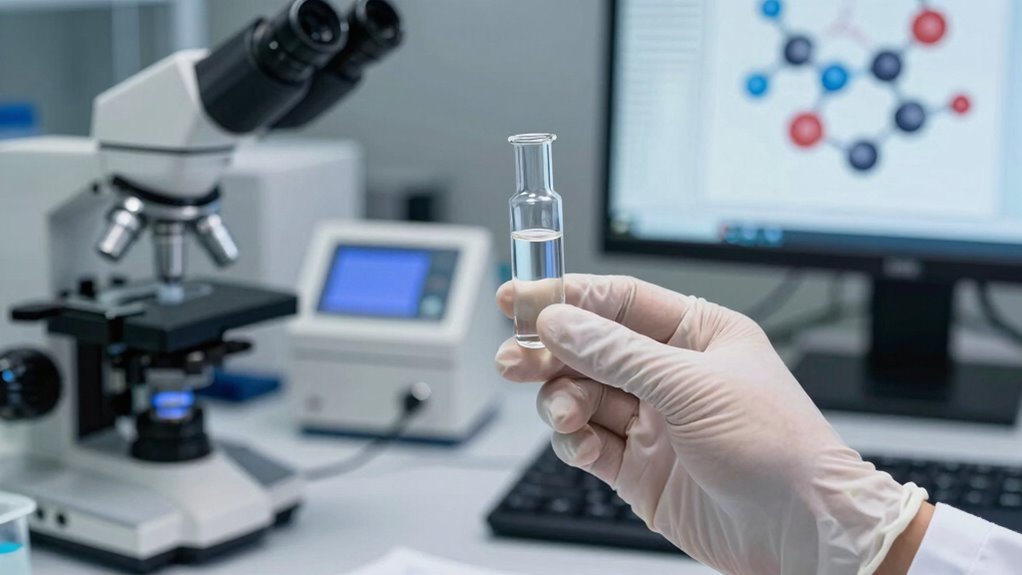
In the analytical phase, the focus is on detailed comparisons of the biosimilar and the reference product’s structure and function. You’ll find that advanced techniques like mass spectrometry, chromatography, and bioassays are used to analyze protein sequences, post-translational modifications, and biological activity. The goal is to demonstrate that the biosimilar’s molecular makeup closely mirrors that of the original. Any differences are scrutinized to assess whether they could impact safety or efficacy. Additionally, understanding the complexity of biologics helps highlight the importance of precise analytical methods in this evaluation. The analytical data must be comprehensive enough to detect even minor variations that could influence clinical outcomes, especially given the biological complexity inherent in these molecules. Recognizing the variability in biologic production underscores the necessity of rigorous analytical and manufacturing controls.
Manufacturing consistency plays an essential role in this process. You need to understand that biologics are complex molecules produced in living cells, which makes maintaining consistency challenging yet indispensable. Manufacturers follow Good Manufacturing Practices (GMP) to ensure each batch of the biosimilar is as similar as possible to previous batches and to the reference product. Small variations in growth conditions, purification processes, or storage can lead to differences, so rigorous control and validation are critical. Manufacturing controls are designed to minimize variability and ensure high-quality production. Consistent manufacturing ensures that the biosimilar’s quality, safety, and effectiveness are maintained throughout production. This ongoing control process is vital for building confidence in the biosimilar’s reliability and performance over time.
Clinical studies further support the comparability analysis by evaluating how the biosimilar performs in real-world settings. These trials typically focus on pharmacokinetics, pharmacodynamics, and immunogenicity, confirming that patients receive similar benefits and face similar risks as with the original biologic. However, the bulk of the evidence comes from analytical and manufacturing data, which form the foundation for regulatory approval. A thorough understanding of regulatory standards is essential to appreciate how these diverse data sources come together to support a biosimilar’s approval.
Ultimately, the evaluation process hinges on a thorough comparison that satisfies regulatory authorities’ standards. You can think of it as a scientific puzzle where every piece—analytical data, manufacturing practices, and clinical evidence—must fit perfectly to demonstrate that the biosimilar is truly comparable to its reference. This rigorous approach ensures that biosimilars entering the market are safe, effective, and reliable alternatives, providing increased access to essential therapies without compromising quality.
mass spectrometry biosimilar analysis kit
As an affiliate, we earn on qualifying purchases.
As an affiliate, we earn on qualifying purchases.
Frequently Asked Questions
How Long Does the Comparability Analysis Process Typically Take?
The comparability analysis process usually takes around 6 to 12 months, depending on the complexity of the biosimilar. During this time, you verify the biosimilar’s similarity to the reference product, which is essential for market entry and patient safety. This thorough review helps regulators confirm that the biosimilar will perform safely and effectively, providing confidence for both healthcare providers and patients in the new product.
What Are the Main Challenges in Biosimilar Comparability Testing?
You face challenges in biosimilar comparability testing, especially in demonstrating clinical efficacy and ensuring patient safety. Variability in manufacturing processes and analytical methods can make it difficult to establish true similarity to the reference product. You must also navigate complex regulatory requirements, which demand extensive data to confirm that the biosimilar performs equally well and safely for patients. Overcoming these hurdles is essential for market approval and patient trust.
Are There Specific Regulatory Guidelines for Biosimilar Comparability?
Yes, there are specific regulatory guidelines for biosimilar comparability. Regulatory frameworks established by agencies like the FDA and EMA guarantee biosimilars meet strict quality standards. These guidelines dictate the necessary analytical, non-clinical, and clinical data you must provide. They help verify that the biosimilar is highly similar to the reference product regarding safety, efficacy, and quality, giving you confidence in their use.
How Do Manufacturing Changes Impact Biosimilar Comparability?
Manufacturing changes can dramatically influence biosimilar comparability, sometimes causing more upheaval than a storm at sea. You must conduct thorough immunogenicity assessments and detailed analytical characterization to detect subtle variations. These changes might alter the biosimilar’s structure or function, impacting safety and efficacy. As a result, regulators scrutinize these modifications carefully, ensuring that any manufacturing adjustments do not compromise the biosimilar’s similarity to the reference product.
Can Biosimilars Have Different Excipients From the Reference Product?
Yes, biosimilars can have different excipients from the reference product. Excipients variation and formulation differences are common as manufacturers optimize production. However, these changes must be carefully evaluated to guarantee they don’t affect safety, efficacy, or immunogenicity. You’ll find that regulatory agencies require thorough comparability studies to confirm that despite formulation differences, the biosimilar performs similarly to the original biologic.
Conclusion
Think of biosimilars as mirrors reflecting the original medicine’s essence. Through meticulous comparability analysis, you’re like a skilled artist verifying every brushstroke, ensuring the replica captures the true colors and details. When you scrutinize structure, function, and safety, you’re constructing a bridge that seamlessly connects innovation with trust. This careful process guarantees that, just like a well-crafted symphony, the biosimilar harmonizes perfectly with its reference, offering patients a safe, effective, and reliable therapeutic melody.