Chromatography started with simple methods that visually separated colored compounds, like plant pigments observed by Mikhail Tsvet. Over time, it advanced to techniques like paper, gas, and thin-layer chromatography, becoming more precise and capable of analyzing complex mixtures. Today, integrating with technologies like mass spectrometry and automation, chromatography offers highly sensitive, quantitative results. If you explore further, you’ll discover how these innovations continue to expand its scientific impact and capabilities.

Get school and study supplies delivered free — and shop member deals
- Fast, free delivery on millions of items
- Access to Prime Big Deal Days deals on October 6–7
- Prime Video, Amazon Music and more included
Key Takeaways
- Chromatography originated from Mikhail Tsvet’s observation of plant pigment separation, marking its scientific beginnings.
- Early techniques like paper chromatography enhanced biochemical analysis in the 1940s.
- Technological advancements, including gas and thin-layer chromatography, improved resolution and sensitivity.
- Integration with mass spectrometry and automation increased detection precision and analytical capabilities.
- Modern chromatography offers highly quantitative, sensitive analysis, supporting diverse scientific and industrial applications.
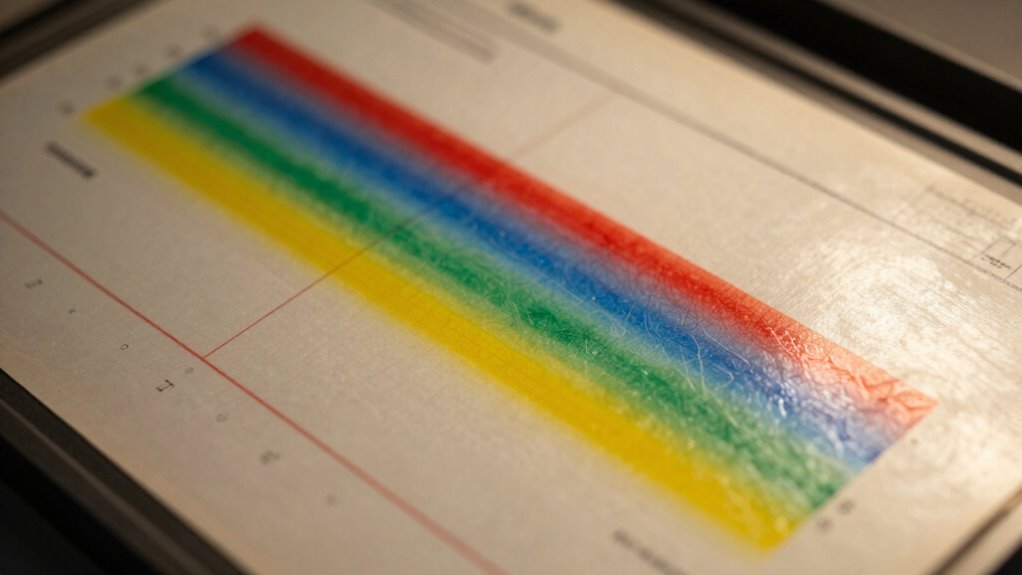
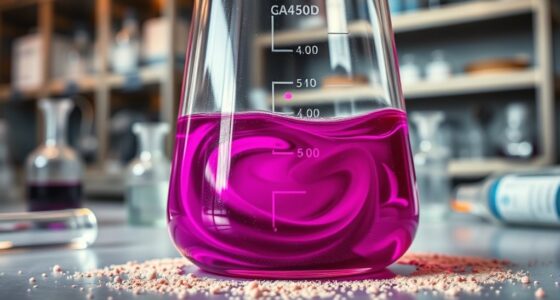
Have you ever wondered how scientists separate complex mixtures to identify their components? The story of chromatography begins with this curiosity and a desire to develop better analytical techniques. In the early days, scientists relied on simple methods like filtration and distillation, which worked for straightforward substances but fell short when dealing with more intricate mixtures. Over time, their quest for precision led to the birth of chromatography, a technique that revolutionized analytical chemistry. Its origins trace back to the early 20th century when Mikhail Tsvet, a Russian botanist, first observed the separation of plant pigments, particularly chlorophyll, using a process he called “chromatography”—from the Greek words for color and writing. This discovery marked a significant milestone in scientific evolution, showcasing how physical and chemical principles could be harnessed to distinguish components in a mixture.
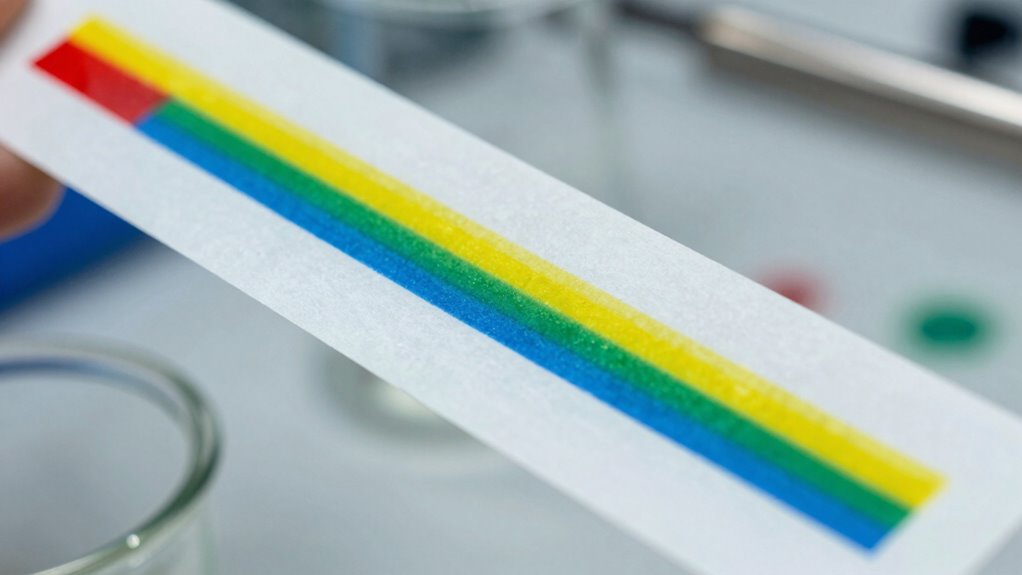
As chromatography gained popularity, scientists experimented with various stationary and mobile phases, improving upon initial methods and making the technique more versatile. Initially, it was primarily used to separate colored compounds, which made the results visible and easy to interpret. But as research advanced, analytical techniques became more refined, allowing for the detection of even minute quantities of substances. The development of paper chromatography in the 1940s offered a simple yet powerful way to analyze mixtures, especially in biochemistry. Then, in the 1950s and 1960s, gas chromatography and thin-layer chromatography emerged, expanding the scope of what could be separated and analyzed. These innovations provided greater resolution and sensitivity, enabling scientists to analyze complex mixtures with unprecedented precision. Additionally, the use of stationary and mobile phases made the process more adaptable to different types of samples and analysis goals.
Furthermore, the integration of chromatography with other techniques, such as mass spectrometry, has enhanced detection capabilities, making modern systems highly sensitive and precise. Throughout the years, technological progress transformed chromatography into an essential tool across many scientific fields, from pharmacology to environmental science. Modern chromatography systems incorporate computer-controlled processes, enabling highly automated, accurate, and reproducible results. This evolution reflects how scientific techniques adapt and improve, driven by the need for more detailed and reliable analysis. Additionally, ongoing research continues to improve the resolution and speed of chromatography systems, pushing the boundaries of what can be achieved in analytical chemistry. Today, chromatography stands as a cornerstone in analytical chemistry, constantly evolving with innovations like high-performance liquid chromatography (HPLC) and mass spectrometry integration. Its history illustrates a fascinating journey from visible colored bands to highly precise, quantitative analysis. You now understand that this scientific evolution not only enhanced our ability to identify substances but also opened new doors for research, ensuring that chromatography remains central to scientific discovery and quality control.
chromatography kit for beginners
As an affiliate, we earn on qualifying purchases.
As an affiliate, we earn on qualifying purchases.
Frequently Asked Questions
How Has Chromatography Impacted Modern Medical Diagnostics?
Chromatography has revolutionized your medical diagnostics by enabling precise biomarker detection and disease monitoring. You benefit from faster, more accurate tests that identify specific compounds in blood or tissues, aiding early diagnosis and personalized treatment. This technique allows healthcare professionals to track disease progression, evaluate treatment effectiveness, and detect abnormalities with high sensitivity, ultimately improving patient outcomes and advancing medical research.
What Are the Latest Advancements in Chromatography Technology?
You’re witnessing cutting-edge chromatography advancements, where miniaturization challenges drive innovation, making instruments smaller yet more powerful. Enhanced data processing algorithms allow for faster, more accurate analysis, revealing intricate details previously hidden. These breakthroughs enable real-time diagnostics and personalized treatments, transforming healthcare. As technology evolves, your ability to detect and understand complex substances improves dramatically, ensuring more precise, efficient outcomes that truly make a difference in your medical journey.
How Do Different Chromatography Methods Compare in Sensitivity?
You’ll find that different chromatography methods vary in sensitivity due to detection limits and method selectivity. Techniques like GC often achieve lower detection limits for volatile compounds, making them highly sensitive. HPLC provides excellent selectivity for diverse molecules, though sometimes with slightly higher detection limits. Overall, choosing the right method depends on your target analytes and required sensitivity, balancing detection limits with method selectivity for the best results.
What Challenges Remain in Developing Portable Chromatography Devices?
You face enormous hurdles in developing portable chromatography devices, as miniaturization challenges threaten to turn these tools into tiny, fragile shells. Power source limitations further complicate matters, making it difficult to sustain prolonged analysis without bulky batteries. Overcoming these obstacles requires innovative engineering and materials that are both compact and energy-efficient, so you can confidently carry out precise, on-the-go analyses without sacrificing performance or convenience.
How Is Chromatography Used in Environmental Testing Today?
You use chromatography today mainly for pollution detection and water analysis. It helps identify contaminants like heavy metals, pesticides, and organic pollutants efficiently. By separating complex samples, you can monitor environmental health and guarantee safety standards are met. Portable chromatography devices allow you to perform on-site testing, providing quick results that aid in timely decision-making for pollution control and water quality management.
Conclusion
You might think chromatography’s history is just about colorful bands, but it’s actually a story of innovation and precision. Don’t underestimate its importance—this technique has revolutionized scientific analysis across industries, from medicine to environmental science. While it may seem simple, its detailed evolution shows how persistent advancements can lead to powerful tools. So, next time you see a chromatography result, remember, it’s the result of centuries of progress that you benefit from every day.
Halloween Picks
halloween
As an affiliate, we earn on qualifying purchases.