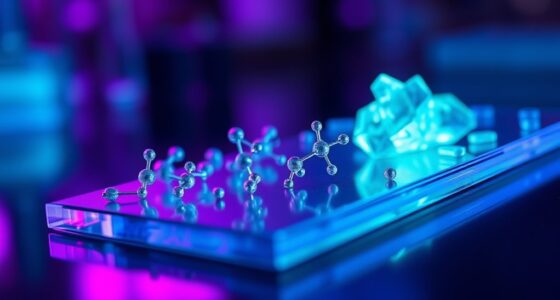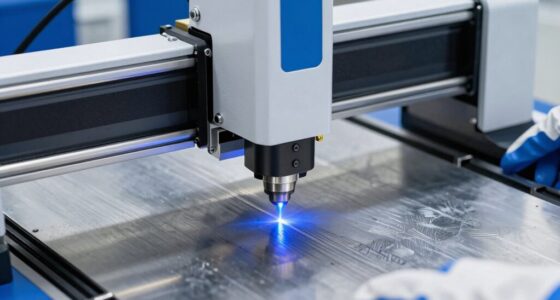
To guarantee hydrogen infrastructure’s durability, you need to select materials resistant to corrosion and embrittlement, like advanced alloys or composites. Applying protective coatings—such as polymers or ceramics—helps prevent hydrogen permeation and damage. Proper processing, including clean manufacturing and welding, is essential for maintaining integrity. Regular inspections and maintenance can catch early signs of wear, enhancing safety and lifespan. Keep exploring, and you’ll discover more about optimizing materials and techniques for reliable hydrogen systems.

Get school and study supplies delivered free — and shop member deals
- Fast, free delivery on millions of items
- Access to Prime Big Deal Days deals on October 6–7
- Prime Video, Amazon Music and more included
Key Takeaways
- Selecting corrosion-resistant metals and advanced composites is essential to prevent hydrogen-induced material degradation.
- Protective coatings, such as polymer or ceramic layers, enhance barrier properties against hydrogen permeation and corrosion.
- Proper processing, welding, and clean environment practices are critical to maintain material and coating integrity.
- Regular inspection and maintenance are vital to detect and mitigate early signs of corrosion and coating failure.
- Advances in coating technologies and material research improve durability and safety of hydrogen infrastructure components.
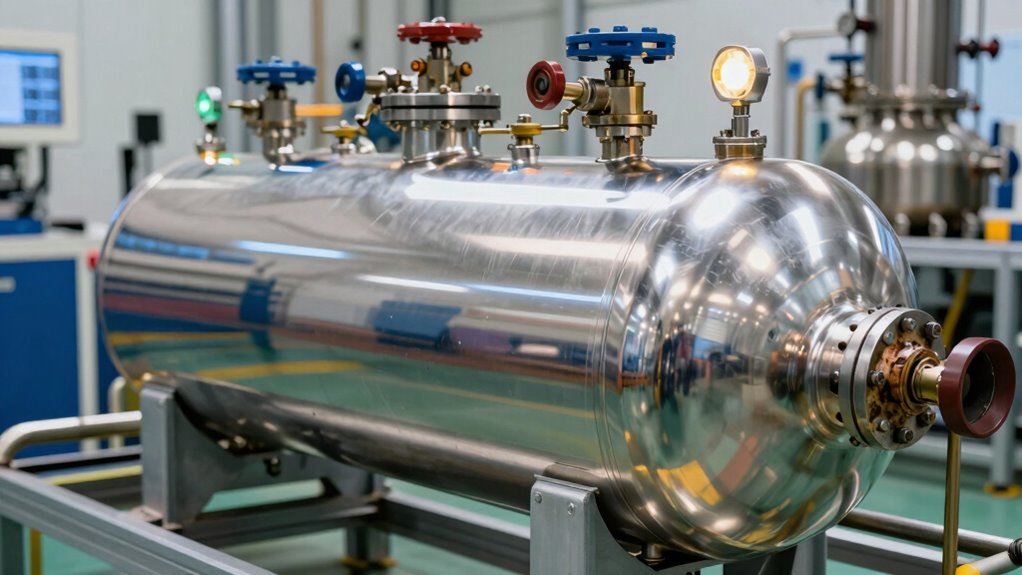
Have you ever wondered what makes hydrogen fuel systems safe and efficient? The answer lies in understanding the chemistry behind hydrogen infrastructure, especially regarding materials, coatings, and processing needs. When hydrogen interacts with different materials, it can cause issues like material corrosion, which weakens components over time. Hydrogen molecules are small and highly reactive, so they can seep into metal surfaces, leading to a process called hydrogen embrittlement. This makes metals brittle and prone to cracking, threatening the safety and longevity of fueling stations, pipelines, and storage tanks. To combat this, selecting materials that resist corrosion is essential. Stainless steels, certain alloys, and advanced composites are often used because they offer better resistance to hydrogen’s aggressive nature. However, even these materials aren’t completely immune, so ongoing research aims to enhance their corrosion resistance further. Material compatibility is crucial in designing durable hydrogen infrastructure. Understanding the material interactions involved helps in developing more resilient coating solutions, which is vital for long-term system performance.
Coating durability becomes equally important in maintaining the integrity of hydrogen infrastructure. Protective coatings act as barriers, preventing hydrogen from permeating into the underlying materials and reducing corrosion risks. These coatings must withstand high pressures and the chemical environment typical of hydrogen systems without degrading or peeling over time. The challenge is guaranteeing coatings maintain their protective qualities under operational stresses, temperature fluctuations, and potential exposure to contaminants. High-quality coatings, such as polymer-based or ceramic coatings, are developed to endure these conditions, providing long-lasting protection. Their durability directly impacts the safety and efficiency of hydrogen systems because a compromised coating can lead to increased corrosion and potential failures. Additionally, advancements in coating technology are continually improving their chemical resistance, ensuring better protection against hydrogen-induced damage. Proper processing needs also include understanding how different application techniques can influence coating performance and longevity, which is essential for optimal results.
Processing needs also play a significant role in maintaining material and coating integrity. Proper manufacturing, welding, and installation techniques help minimize defects that could become sites for corrosion or coating failure. Contaminants introduced during processing can accelerate material degradation, so clean environments and controlled procedures are essential. Additionally, regular inspections and maintenance are necessary to detect early signs of corrosion or coating deterioration. Advanced testing methods, like non-destructive evaluation, help guarantee components remain in peak condition throughout their lifespan. Proper processing and maintenance not only extend the service life of hydrogen infrastructure but also enhance safety, making hydrogen a dependable energy carrier.
hydrogen resistant stainless steel pipes
As an affiliate, we earn on qualifying purchases.
As an affiliate, we earn on qualifying purchases.
Frequently Asked Questions
How Does Hydrogen Storage Impact Material Corrosion Rates?
Hydrogen storage can accelerate material degradation, impacting storage vessel integrity. When hydrogen interacts with metals, it often causes embrittlement, increasing the risk of cracks and leaks. You should choose materials resistant to hydrogen-induced corrosion, such as certain alloys or coatings, to maintain vessel integrity. Regular inspections and proper material selection are essential to prevent corrosion-related failures, ensuring safe and reliable hydrogen storage systems.
What Are the Environmental Impacts of Hydrogen Infrastructure Materials?
You might worry that hydrogen infrastructure materials harm the environment, but they can actually reduce your environmental footprint when selected wisely. Using sustainable materials minimizes pollution and resource depletion, promoting eco-friendly practices. Proper coatings and processing guarantee durability, reducing waste and energy consumption over time. By prioritizing material sustainability, you help lower greenhouse gas emissions and foster a greener future, making hydrogen infrastructure more environmentally responsible and resilient.
How Do Coatings Improve Hydrogen Resistance in Pipelines?
Protective coatings and surface treatments substantially enhance hydrogen resistance in pipelines by creating a barrier that prevents hydrogen embrittlement and corrosion. You apply these coatings to the pipeline’s interior or exterior, which reduces hydrogen permeation and strengthens the material. By doing so, you extend the lifespan of the pipeline, improve safety, and maintain structural integrity under hydrogen exposure, ensuring reliable and efficient hydrogen infrastructure.
What Are the Safety Considerations for Hydrogen Infrastructure Processing?
You need to prioritize safety by implementing leak detection systems to quickly identify hydrogen leaks, given its flammability. Regularly inspect pipelines and components, and establish clear emergency response protocols to handle potential incidents. Training personnel thoroughly guarantees they act swiftly during emergencies. Remember, proactive safety measures, including leak detection and emergency preparedness, are essential to prevent accidents and protect both people and infrastructure when processing hydrogen.
How Does Temperature Affect Material Durability in Hydrogen Environments?
Imagine a hydrogen storage tank exposed to high temperatures; you’d see material fatigue accelerate due to thermal expansion. Elevated temperatures can weaken materials, causing cracks or failures over time, especially in hydrogen environments. As temperature increases, materials expand more, stressing their structure. This deterioration reduces durability, making it critical to select materials with low thermal expansion coefficients and good resistance to thermal fatigue, ensuring the infrastructure remains safe and reliable.
Conclusion
As you explore hydrogen infrastructure chemistry, remember that every material and coating you choose shapes the future of clean energy. While challenges may appear subtle, they hint at opportunities for innovation and growth. Embrace these nuances, for they guide you toward more resilient, efficient systems. In overlooking the small details, you risk missing the broader promise of a sustainable tomorrow. Your careful attention today ensures brighter horizons for generations to come.
Halloween Picks
halloween
As an affiliate, we earn on qualifying purchases.