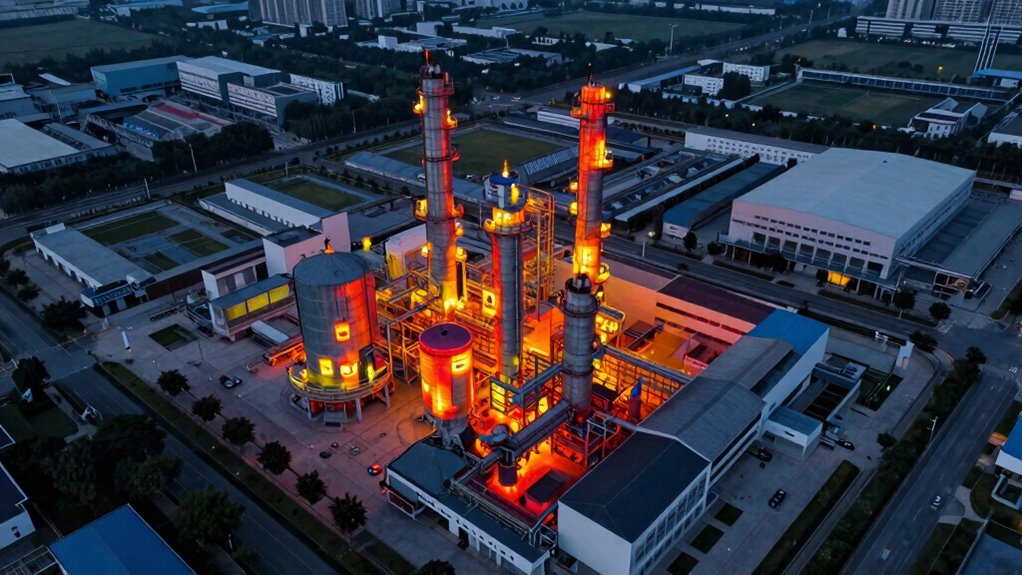
Thermal drones deliver real value when used for quick, accurate inspections of infrastructure, wildlife monitoring, or search and rescue missions. They help you identify heat signatures invisible to the naked eye, revealing problems others may miss. Proper battery management and advanced data analysis turn thermal images into actionable insights. By optimizing these aspects, you can improve safety and efficiency. If you want to explore how to maximize your drone’s potential, discover more about these game-changing tools.
Key Takeaways
- Thermal drones enable rapid, safe detection of heat anomalies in infrastructure, preventing costly failures through early identification.
- They provide detailed thermal imaging for wildlife monitoring and environmental assessments, improving conservation efforts.
- In search and rescue, thermal drones quickly locate individuals by detecting body heat in challenging terrains.
- Advanced data analysis transforms thermal images into actionable insights, enhancing maintenance and operational decisions.
- Proper battery management and real-time data monitoring maximize drone uptime during critical inspections.
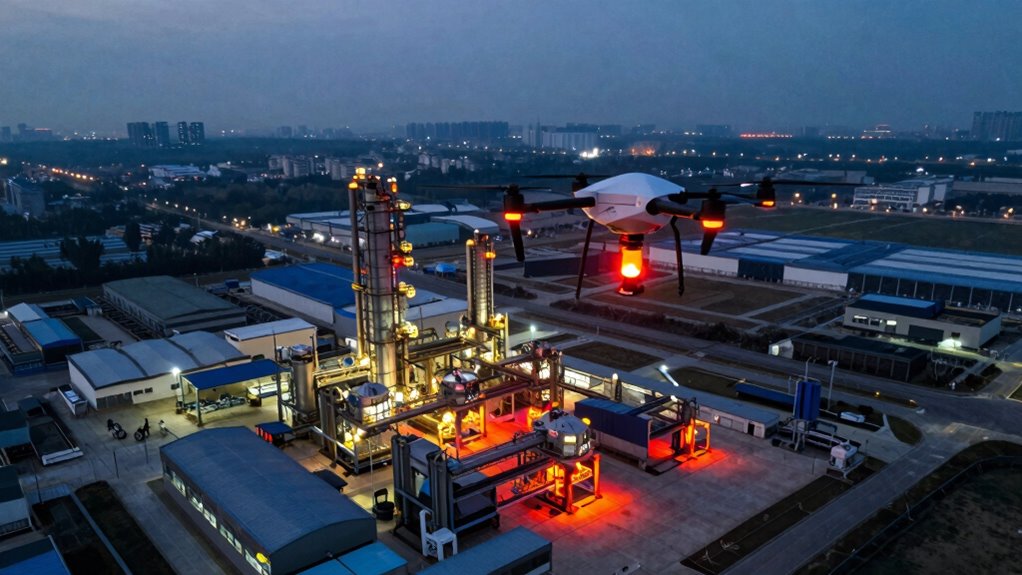
Thermal drones have become essential tools across various industries because they can detect heat signatures that are invisible to the naked eye. This capability allows you to identify problems and opportunities that traditional visual inspections might miss. Whether you’re inspecting infrastructure, monitoring wildlife, or conducting search and rescue missions, thermal drones provide a quick, safe, and highly effective way to gather vital data. However, the true value of these drones depends heavily on how well you manage their batteries and analyze the data they collect.
Thermal drones enhance inspections and safety when battery management and data analysis are optimized for maximum impact.
Battery optimization is vital when deploying thermal drones for extended or multiple missions. You need to guarantee your batteries are fully charged and maintained properly so your drone can operate at peak performance without unexpected power failures. Using smart charging techniques and selecting batteries with higher capacity can extend flight times, enabling you to cover larger areas or conduct more thorough inspections. Additionally, planning your flight paths carefully helps conserve battery life—by minimizing unnecessary maneuvers or hover times, you make every minute of flight count. When you’re aware of your drone’s battery status in real-time, you can make informed decisions about when to return for a recharge or swap batteries, avoiding mid-mission failures that could compromise your data collection. Incorporating battery management systems into your workflow can further enhance operational reliability and efficiency.
Once your drone has captured thermal images, the next step is extracting meaningful insights through effective data analysis techniques. You should leverage specialized software that can process thermal data efficiently, highlighting temperature variations and anomalies with precision. These tools often include automation features like pattern recognition or threshold alerts, helping you quickly identify issues such as hotspots in electrical systems or leaks in building insulation. The key is to interpret the heat signatures accurately, distinguishing between normal variations and potential problems. Incorporating data analysis techniques into your workflow allows you to generate actionable reports, prioritize maintenance tasks, and make data-driven decisions that save time and resources. Additionally, understanding thermal imaging principles enhances your ability to differentiate between true anomalies and false positives, thereby increasing the reliability of your assessments. Proper training in thermal data analysis can significantly improve your detection accuracy and efficiency during inspections.
In essence, the true power of thermal drones lies in how effectively you optimize their batteries and analyze the collected data. Proper battery management ensures your drone remains operational during critical inspections, while advanced data analysis transforms raw thermal images into valuable insights. Furthermore, staying informed about latest thermal imaging technology can help you adopt innovative tools that improve your inspection capabilities. By mastering these aspects, you turn aerial thermal imaging from a simple visualization tool into a strategic asset that delivers real, measurable value across your projects. Your ability to innovate and adapt your approach determines how well you leverage thermal drones to improve safety, efficiency, and overall outcomes.

TOPDON TC004 Mini Thermal Imaging Camera, 240 x 240 TISR Resolution
- Enhanced Thermal Resolution: 128×128 to 240×240 TISR technology
- Wide Field of View: 40°x30° for detailed inspections
- High Refresh Rate: 25Hz for smooth thermal images
As an affiliate, we earn on qualifying purchases.
As an affiliate, we earn on qualifying purchases.
Frequently Asked Questions
What Are the Limitations of Thermal Drone Technology?
You’ll find that thermal drone technology has limitations like sensor calibration issues, which can affect accuracy, especially in changing environmental conditions. Additionally, data interpretation requires expertise to distinguish meaningful thermal patterns from noise. Weather factors, such as rain or fog, can also hinder performance. These constraints mean you need precise calibration and skilled analysis to maximize thermal drone effectiveness, especially for critical inspections.
How Cost-Effective Are Thermal Drones for Small Businesses?
Thermal drones can be quite cost-effective for small businesses, especially when you consider the cost comparison with traditional inspection methods. Although the initial investment might seem high, the investment benefits include faster inspections, reduced labor costs, and improved safety. Over time, the savings and efficiency gains can make thermal drones a valuable tool, helping your business operate more effectively without breaking the bank.
What Safety Precautions Are Needed During Thermal Drone Inspections?
During thermal drone inspections, you need to prioritize safety by following strict flight safety protocols and guaranteeing proper thermal sensor calibration. Always check the drone’s equipment, keep a safe distance from obstacles, and monitor weather conditions to prevent accidents. Regularly calibrate the thermal sensors for accurate readings, and ensure your team is trained on emergency procedures. These precautions help protect both you and your equipment while delivering reliable inspection results.
How Does Weather Affect Thermal Drone Performance?
Weather variability can influence your thermal drone’s performance, as it affects thermal sensitivity and image quality. Windy conditions may cause instability, while rain or fog can obscure thermal signatures, reducing accuracy. Bright sunlight can also lead to temperature fluctuations, impacting thermal readings. To guarantee reliable inspections, you should monitor weather forecasts closely, avoid extreme weather, and choose ideal conditions that support your drone’s thermal capabilities.
What Training Is Required to Operate Thermal Drones Effectively?
To operate thermal drones effectively, you need proper training that covers thermal calibration and flight skills. You should obtain operator certification to guarantee safety and compliance with regulations. This training teaches you how to interpret thermal images, calibrate sensors accurately, and handle the drone in various conditions. With this knowledge, you’ll maximize the drone’s potential for inspections and data collection, making your operations more efficient and reliable.
Conclusion
By now, you see how thermal drones revolutionize aerial inspections, providing quick, accurate data that saves time and money. Did you know that industries report up to a 30% reduction in inspection costs using thermal drones? This technology is not just a trend but a game-changer, delivering real value where traditional methods fall short. Embrace thermal drones to enhance safety, efficiency, and insight—because when it comes to inspections, precision truly matters.