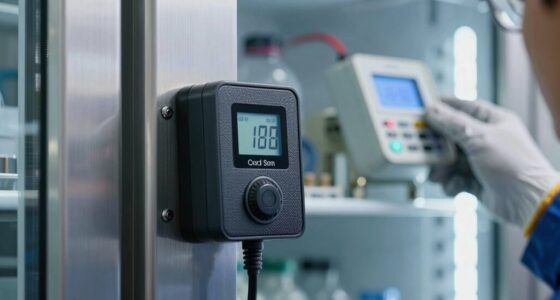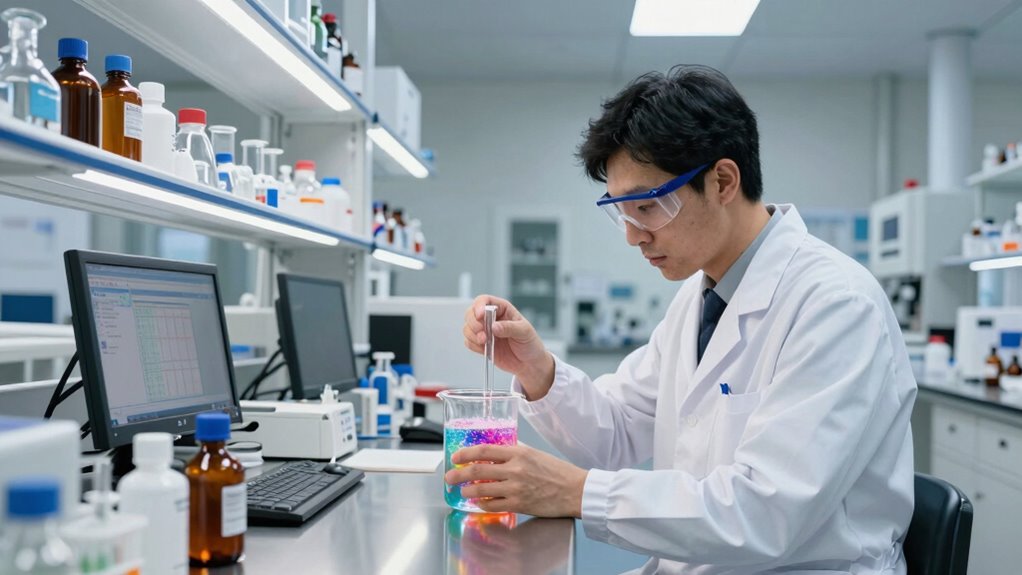

As a process development chemist, you transform lab discoveries into scalable manufacturing processes, focusing on efficiency, safety, and compliance. You troubleshoot variables like mixing and heat transfer, document protocols, and collaborate with engineers to design suitable equipment. Your work guarantees processes meet regulatory standards and are reproducible at large scales. By applying scientific knowledge and attention to detail, you help bring safe, innovative products to market. Keep exploring, and you’ll uncover more about this essential and impactful career path.
Key Takeaways
- Transforms laboratory discoveries into scalable, efficient manufacturing processes for commercial production.
- Focuses on optimizing reaction conditions, safety, and environmental impact during process development.
- Ensures regulatory compliance through detailed documentation, validation, and adherence to industry standards.
- Collaborates with engineering and quality teams to design robust, reproducible processes for large-scale manufacturing.
- Balances scientific innovation with practical considerations to bring new products safely to market.
A process development chemist plays a pivotal role in transforming laboratory discoveries into scalable manufacturing processes. Your work begins in the lab, where you focus on chemical synthesis—designing and optimizing reactions to produce target compounds efficiently and safely. This stage requires a deep understanding of reaction mechanisms, reagents, and conditions to develop methods that can be reliably reproduced on a larger scale. As you refine these processes, you’re constantly balancing factors like yield, purity, cost, and environmental impact. Your expertise guarantees that the initial synthesis steps are not only effective but also adaptable for mass production, setting the foundation for successful commercialization.
Process development chemists transform lab discoveries into scalable, efficient, and safe manufacturing processes for successful commercialization.
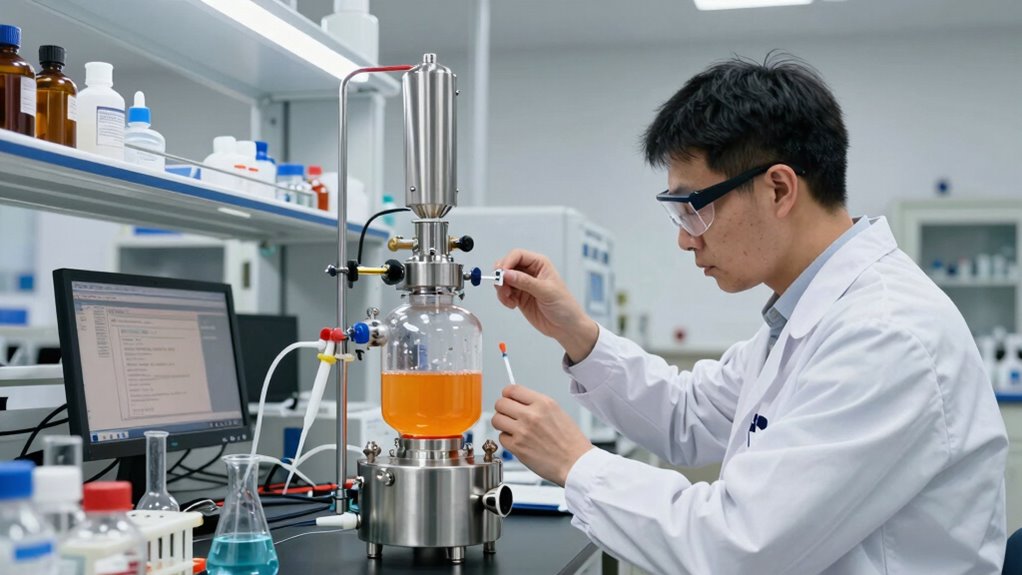
Once a promising process is established, your attention shifts to scaling up from small laboratory batches to pilot and full-scale manufacturing. This shift isn’t straightforward; it involves troubleshooting variables like mixing, heat transfer, and reaction kinetics that behave differently at larger volumes. You need to meticulously document each step, creating detailed protocols that guarantee consistency and quality. Your work directly influences the manufacturability of the product, so precision and thoroughness are essential. You also collaborate with engineers and quality teams to design equipment and processes that uphold safety standards and product integrity. Throughout this phase, you’re constantly considering regulatory compliance, knowing that your processes must meet strict standards set by agencies like the FDA or EMA. This means implementing quality-by-design principles, validating processes, and maintaining detailed records to demonstrate compliance.
Your role isn’t just about chemistry; it’s about integrating scientific innovation with regulatory requirements. You stay updated on industry regulations, ensuring that your process development aligns with current guidelines. This ongoing vigilance helps prevent costly delays or compliance issues down the line. You also prepare documentation and reports for regulatory submissions, showcasing that your processes are robust, reproducible, and safe. Understanding reaction mechanisms is crucial for troubleshooting and optimizing processes efficiently, as it allows you to identify potential issues at a fundamental level. In addition, staying informed about regulatory standards helps you anticipate future requirements, making your process adaptable to evolving guidelines. Your ability to navigate these regulatory landscapes is essential for bringing new products to market efficiently.
In essence, you’re a bridge between discovery and commercialization, translating complex chemical synthesis into practical, compliant manufacturing methods. Your work demands a blend of scientific rigor, attention to detail, and regulatory savvy. Every adjustment you make can impact product quality, safety, and time-to-market. As a process development chemist, you’re not only shaping the future of pharmaceuticals, specialty chemicals, or materials but also ensuring that these innovations reach consumers reliably and safely. It’s a challenging, dynamic role that combines technical expertise with strategic thinking, making it indispensable to the success of any chemical manufacturing enterprise.
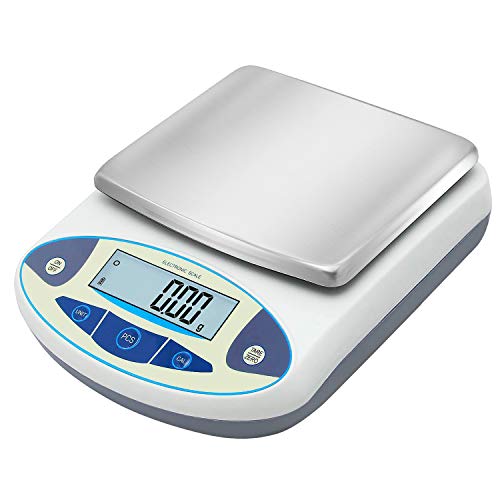
Bonvoisin Lab Scale 5000gx0.01g High Precision Electronic Analytical Balance 0.01g Accuracy Laboratory Precision Digital Scientific Scale (5000g)
0.01g HIGH PRECISION-This analytical balance has 8 optional ranges from 200g-5000g with an accuracy of 0.01g. To ensure…
As an affiliate, we earn on qualifying purchases.
As an affiliate, we earn on qualifying purchases.
Frequently Asked Questions
What Specific Skills Are Most Important for a Process Development Chemist?
You need strong analytical skills and proficiency in lab techniques to excel as a process development chemist. Your analytical skills help you interpret data accurately and optimize processes effectively. Mastering lab techniques guarantees precise experimentation and consistency. Additionally, problem-solving, attention to detail, and good communication are essential for collaborating with teams and advancing process innovations. These skills combined enable you to develop efficient, scalable processes in a dynamic environment.
How Does One Advance to Senior or Managerial Roles in This Field?
To advance to senior or managerial roles, you need to stand out. Develop strong leadership skills and seek industry certifications that showcase your expertise. Take on challenging projects, demonstrate strategic thinking, and build your professional network. As you gain experience and credibility, you’ll open doors to higher responsibilities. Remember, leadership isn’t just about technical skills; it’s about inspiring others and driving innovation in your field.
What Are Common Challenges Faced During Process Scale-Up?
During process scale-up, you face common hurdles like scale-up hurdles that can cause unexpected variability and equipment optimization challenges. You need to carefully adjust parameters to maintain product quality while managing larger volumes. Troubleshooting equipment issues, ensuring consistent mixing, and controlling heat transfer are vital. Being proactive in monitoring and testing at each stage helps you overcome these challenges, ensuring a smooth shift from lab to production scale.
How Much Collaboration Is Required With Other Departments?
You need significant collaboration with other departments, as interdepartmental communication is essential for smooth process development. Cross-functional teamwork helps you address challenges efficiently, ensuring that manufacturing, quality control, and regulatory teams align on process parameters. Regular meetings, shared documentation, and open dialogue foster better understanding and quick decision-making. This collaborative approach minimizes errors, accelerates scale-up, and ultimately leads to a more successful product launch.
What Are Typical Career Paths After Experience as a Process Development Chemist?
After gaining experience as a process development chemist, you can move into roles like process engineering, quality assurance, or regulatory affairs, focusing on industrial regulations. You might also pursue project management or R&D leadership. Your expertise in patent strategies can lead to roles in intellectual property or innovation management. These paths allow you to leverage your chemistry background while expanding into broader business or regulatory areas, enhancing your career growth opportunities.
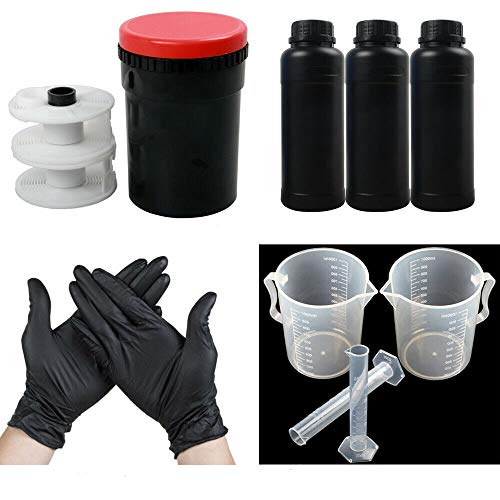
120 135 B&W Film Darkroom Kit Developing Equipment Processing Tool Developing Tank with Spiral Reel Chemical Bottle
Package included: 120 135 developing tank with 2 spiral reels x1 + Chemical bottle x3 color in black…
As an affiliate, we earn on qualifying purchases.
As an affiliate, we earn on qualifying purchases.
Conclusion
As you step into the role of a process development chemist, you’ll find yourself at the heart of innovation and problem-solving. Your work transforms ideas into reality, shaping the future of pharmaceuticals or materials. Remember, when the going gets tough, it’s time to roll up your sleeves and face the challenge head-on. With dedication and a keen eye for detail, you’ll turn obstacles into opportunities—proving that where there’s a will, there’s a way.
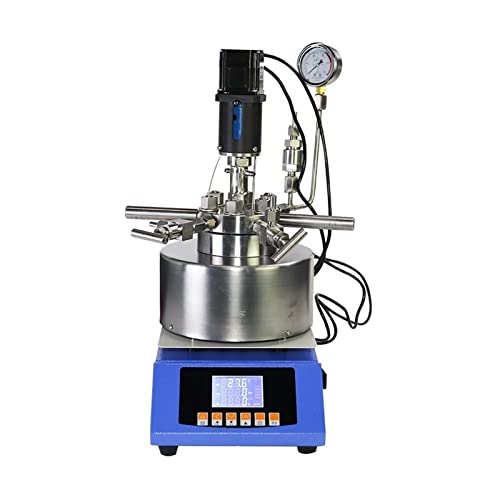
Laboratory Agitator High Pressure Reactor Autoclave Mechanical Stirring Heat Transfer Oil Heating Laboratory Equipment Home Lab Homebrew Industrial(TGYF-C-100ml)
Widely used
As an affiliate, we earn on qualifying purchases.
As an affiliate, we earn on qualifying purchases.
Software Validation Verification Testing and Documentation
As an affiliate, we earn on qualifying purchases.
As an affiliate, we earn on qualifying purchases.