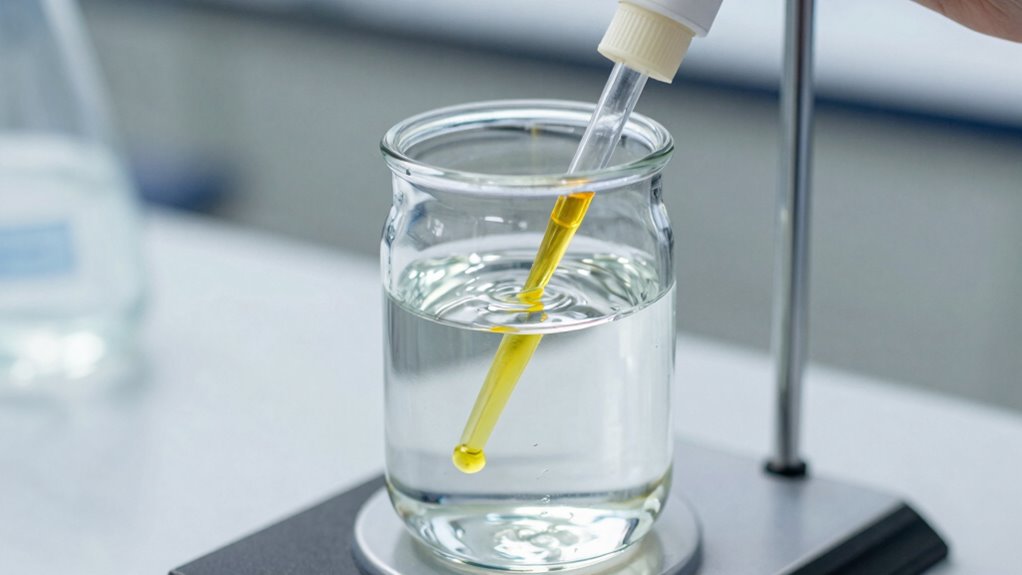

The jar test apparatus is a vital tool that helps you optimize water treatment efficiently and cost-effectively. It allows you to test different coagulant doses and conditions in a controlled environment, reducing guesswork and waste. By simulating real-world processes, it guarantees you achieve clear, safe water while minimizing chemical use. Recognizing its value can improve treatment results considerably—stay with us to discover more about this often underestimated device.
Key Takeaways
- The jar test accurately simulates real-world water treatment, ensuring optimal coagulant dosing with minimal waste.
- It enhances treatment efficiency by allowing precise adjustments to variables like pH and mixing speed.
- The test helps prevent over- or under-dosing, reducing chemical costs and environmental impact.
- It provides valuable insights into water chemistry, promoting sustainable and effective treatment processes.
- Recognized as a vital, cost-effective tool for producing consistently high-quality, safe drinking water.

A jar test apparatus is a essential tool used in water treatment to determine the ideal coagulant dosage and treatment conditions. It’s your go-to for understanding how different chemicals interact with water and for optimizing the process of water clarification. When you’re aiming for clear, safe water, the precision of chemical dosing becomes critical, and the jar test gives you a controlled way to identify the best coagulant amount. Instead of relying on guesswork, you can simulate real-world conditions in a lab setting, adjusting variables until you find the perfect balance for effective water clarification.
Using a jar test is straightforward but powerful. You fill multiple jars with identical water samples from your source, then add varying amounts of coagulant to each. As you mix and observe, you’re effectively testing multiple chemical dosing scenarios at once. This process helps you see how different doses influence the removal of suspended solids and other impurities. By analyzing the settling patterns, you can pinpoint the dosage that produces the clearest water with the least amount of chemical waste. This not only guarantees efficient treatment but also reduces operational costs, making your water treatment process more sustainable.
Using multiple jars with different coagulant doses helps identify the most efficient, cost-effective water treatment approach.
The real strength of the jar test lies in its ability to replicate actual water treatment conditions on a small scale. It allows you to tweak variables like pH, mixing speed, and coagulant type without risking large-scale failures. As you experiment, you gain insights into how water clarification improves with each adjustment. You’ll notice that the right chemical dosing results in faster settling times and clearer supernatant, confirming you’re on the right track. This hands-on approach helps prevent over-dosing, which can lead to excess residuals, and under-dosing, which leaves contaminants behind. Additionally, understanding the chemistry involved can help you develop more sustainable treatment methods that minimize environmental impact. This process can also be enhanced by understanding water chemistry analysis techniques that inform your adjustments. Proper chemical dosing is essential for balancing treatment effectiveness with environmental responsibility.
Furthermore, the jar test isn’t just about choosing the right chemical dose; it’s about understanding the complex chemistry of your water. It provides a visual and practical way to optimize treatment conditions, ensuring the process is both effective and economical. When you trust this method, you’re better equipped to produce high-quality water consistently. Incorporating proper water chemistry analysis into your process can further enhance treatment efficiency and sustainability. Ultimately, the jar test is a small investment that pays off by increasing water clarification efficiency, minimizing chemical use, and ensuring the safety and clarity of your water supply. It’s a tool that deserves more respect because it empowers you to make smarter, more sustainable decisions in water treatment. Recognizing the importance of proper water treatment techniques can significantly improve your overall water quality management.

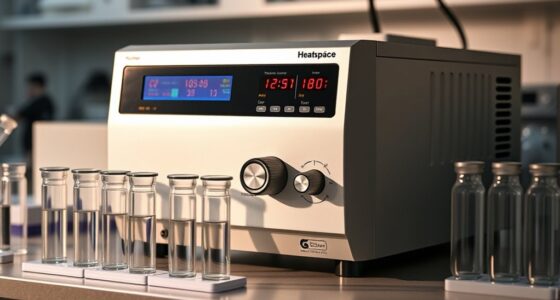
Digital Flocculation Jar Test Apparatus, 4 Spindle Stirrer, Laboratory Water Testing Equipment (White)
- Digital Control Panel: LCD display for precise adjustments
- Laboratory Grade: Designed for accurate water testing
- Multi-Spindle Design: Four independent stirring spindles
As an affiliate, we earn on qualifying purchases.
As an affiliate, we earn on qualifying purchases.
Frequently Asked Questions
How Often Should the Jar Test Apparatus Be Calibrated?
You should calibrate your jar test apparatus regularly, ideally before each testing session, to guarantee ideal calibration frequency. This helps maintain equipment accuracy, preventing errors that could impact water treatment results. Consistent calibration verifies that measurements remain precise over time. By prioritizing calibration, you enhance the reliability of your tests, ensuring your water treatment process is based on accurate data and that the apparatus performs consistently and effectively.
Can Jar Tests Simulate Real-World Water Treatment Conditions Accurately?
Yes, jar tests can accurately simulate real-world water treatment conditions if you carefully replicate the actual water quality parameters, such as pH, turbidity, and contaminant levels. By doing so, you can effectively evaluate treatment efficiency and optimize processes before implementing full-scale treatment. While they might not capture every variable, proper jar testing provides a valuable approximation, helping you make informed decisions to improve water quality.
What Safety Precautions Are Necessary When Operating the Jar Test Apparatus?
Think of safety precautions as your shield in the water treatment battlefield. You must wear personal protective equipment like gloves, goggles, and lab coats to guard against splashes and chemical exposure. Proper handling is vital—always follow manufacturer instructions and avoid abrupt movements. By staying vigilant and prepared, you guarantee your experiment runs smoothly, preventing accidents and safeguarding your health while confidently steering through the jar test process.
How Does Temperature Affect Jar Test Results?
Temperature fluctuations directly impact jar test results by influencing chemical reactions during water treatment. When the temperature is higher, reactions tend to speed up, potentially leading to over-precipitation or inefficient coagulation. Conversely, cooler temperatures slow down these processes, possibly reducing treatment effectiveness. You should regulate and monitor temperature carefully during tests, as consistent conditions ensure accurate, reliable results that better predict real-world treatment performance.
Are There Digital Versions of the Jar Test Apparatus Available?
Think of digital versions of jar test apparatus as the modern-day Da Vinci sketches of water treatment—innovative and efficient. These digital models offer automation potential, making testing faster and more precise. You can control variables effortlessly, analyze data in real-time, and reduce human error. While not yet widespread, they’re transforming how you approach water treatment, elevating accuracy and streamlining processes. Embrace the future of jar testing with these tech-savvy tools.
Conclusion
While the jar test apparatus often goes unnoticed, it’s surprisingly the unsung hero of water treatment. You might assume it’s just a simple tool, but in reality, it holds the power to prevent countless water quality issues. Ironically, something so straightforward is sometimes overlooked in favor of high-tech solutions. So next time you drink clean water, tip your hat to this humble device — the unassuming champion of safe, drinkable water.