
Ceramic Matrix Composites (CMCs) do more than just resist heat; they’re lightweight, durable, and resistant to oxidation, corrosion, and thermal shock. These qualities make them ideal for high-performance industries like aerospace and space exploration. Advances in manufacturing improve sustainability and microstructural control, boosting performance and eco-friendliness. If you keep exploring, you’ll discover how CMCs are transforming industries with their innovative, multi-functional capabilities beyond just heat resistance.
Key Takeaways
- CMCs offer exceptional durability and resistance to oxidation, corrosion, and thermal shock beyond just heat resistance.
- Their lightweight and fatigue resistance enhance performance in extreme environments like aerospace and space exploration.
- Advanced manufacturing techniques improve microstructure control, boosting both thermal stability and environmental sustainability.
- CMCs’ durability reduces maintenance needs, decreasing resource consumption and environmental impact over their lifecycle.
- Ongoing research focuses on eco-friendly production methods, expanding CMC applications while aligning with sustainability goals.
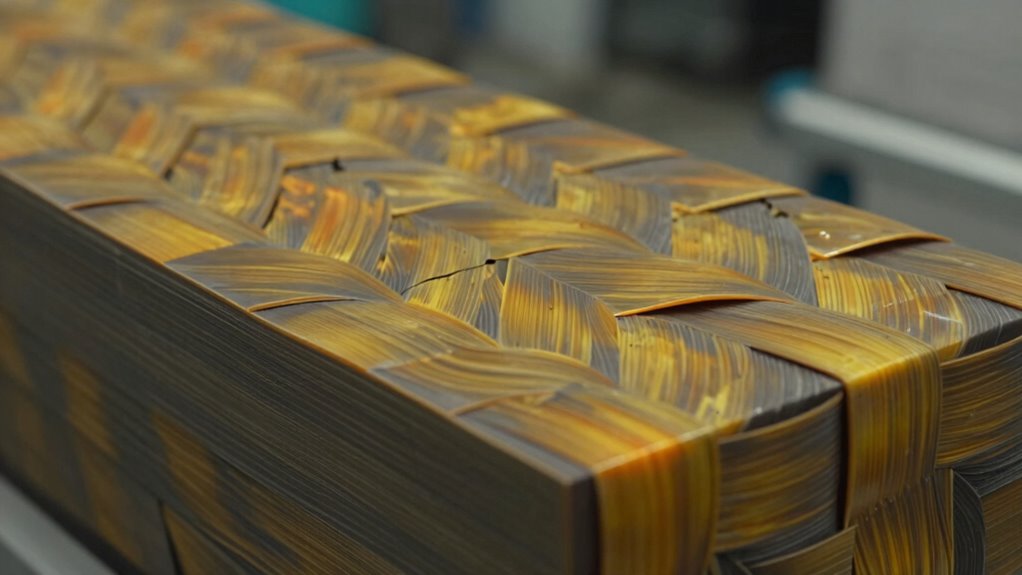
In the domain of advanced manufacturing, producing CMCs involves sophisticated processes like chemical vapor infiltration, hot pressing, or slurry infiltration. These techniques enable precise control over the material’s microstructure, ensuring ideal performance under demanding conditions. This complexity in manufacturing translates into materials that are not only heat resistant but also lightweight, which is essential for applications where every kilogram counts, such as in aircraft engines or space exploration. Furthermore, the manufacturing methods are continually evolving to become more efficient and environmentally friendly, aiming to reduce waste and energy consumption. Advances in manufacturing techniques are helping to make the production of CMCs more sustainable and accessible for broader use. As these techniques improve, the environmental impact of producing CMCs becomes less significant, making them more sustainable options in high-performance applications. Additionally, ongoing research into sustainable manufacturing practices aims to minimize ecological footprints further. Incorporating innovative processing methods can also enhance the microstructural control, leading to even better performance and sustainability. Developing eco-friendly manufacturing processes is crucial for aligning the production of CMCs with global sustainability goals.
Beyond heat resistance, ceramic matrix composites excel in resisting oxidation, corrosion, and thermal shock. You might think that’s enough for extreme environments, but CMCs also offer excellent fatigue resistance, allowing them to withstand repeated stress cycles without cracking. This resilience means they can be used in components that experience fluctuating temperatures and mechanical loads, extending their service life and reducing maintenance needs. These properties are essential for industries aiming to minimize environmental impact by lowering the frequency of replacements and repairs, thus reducing waste and resource consumption. As the push for greener technologies intensifies, CMCs stand out as materials that align with sustainable development goals, thanks to their durability and the ongoing refinement of their manufacturing processes. Moreover, the development of eco-friendly production methods is increasingly important to ensure that the environmental benefits of CMCs are maximized throughout their lifecycle.
ceramic matrix composites aerospace parts
As an affiliate, we earn on qualifying purchases.
As an affiliate, we earn on qualifying purchases.
Frequently Asked Questions
How Are Ceramic Matrix Composites Manufactured at Scale?
You start by selecting high-quality raw materials through careful material sourcing. Then, manufacturing processes like slurry infiltration, filament winding, or tape laying are employed to form the ceramic matrix composites. These methods guarantee uniformity and strength at scale. You also use advanced techniques like hot pressing or chemical vapor infiltration to enhance properties. By optimizing each step, you efficiently produce large quantities of ceramic matrix composites ready for demanding applications.
What Environmental Factors Affect Ceramic Matrix Composites’ Longevity?
Environmental factors like moisture, oxygen, and temperature fluctuations cause environmental degradation, impacting ceramic matrix composites’ longevity. Exposure to corrosive substances can weaken the material, despite its inherent corrosion resistance. You should regularly assess environmental conditions, especially in harsh settings, to prevent degradation. Proper protective coatings and maintenance help extend their lifespan, ensuring the composites maintain their structural integrity and performance over time amidst challenging environmental factors.
Can Ceramic Matrix Composites Be Recycled?
Recycling ceramic matrix composites (CMCs) is challenging due to their complex structure and strong bonding, making separation difficult. You might struggle with recycling challenges, but eco-friendly disposal options are emerging. While full recycling isn’t yet widespread, researchers are working on methods to recover materials, reducing waste. So, although recycling CMCs is tough now, advancements aim to make eco-friendly disposal and recycling more feasible in the future.
How Do Ceramic Matrix Composites Compare Cost-Wise to Metals?
You might think ceramic matrix composites are pricier than metals, but their cost comparison improves when you consider material affordability over time. While initial expenses are higher, CMCs often last longer and withstand harsher environments, reducing maintenance and replacement costs. So, you get better durability and performance for a potentially lower total lifetime cost, making them a smart choice even if the upfront price seems steep.
What Are the Limitations of Ceramic Matrix Composites in Aerospace?
You’ll find ceramic matrix composites limited by material brittleness, making them prone to cracking under impact or stress. Additionally, their manufacturing complexity poses challenges, often leading to higher production costs and longer lead times. These factors restrict their widespread use in aerospace, as engineers must carefully consider how to balance their exceptional heat resistance with their susceptibility to damage and the difficulties involved in fabricating them reliably.
Conclusion
You might think ceramic matrix composites are only about heat resistance, but they’re so much more. Their strength, durability, and adaptability push beyond just handling high temperatures—they’re revolutionizing aerospace, energy, and defense. So, while heat resistance gets you in the door, it’s their versatility that truly opens up endless possibilities. Don’t just see them as fiery shields; see them as the future’s versatile backbone—ready to transform industries you haven’t even imagined yet.