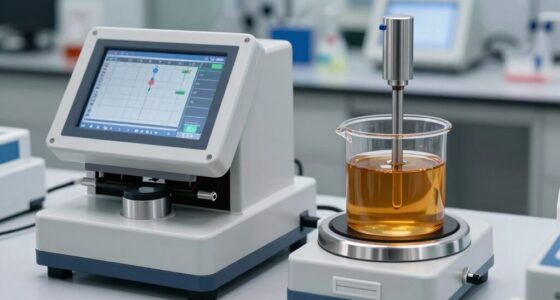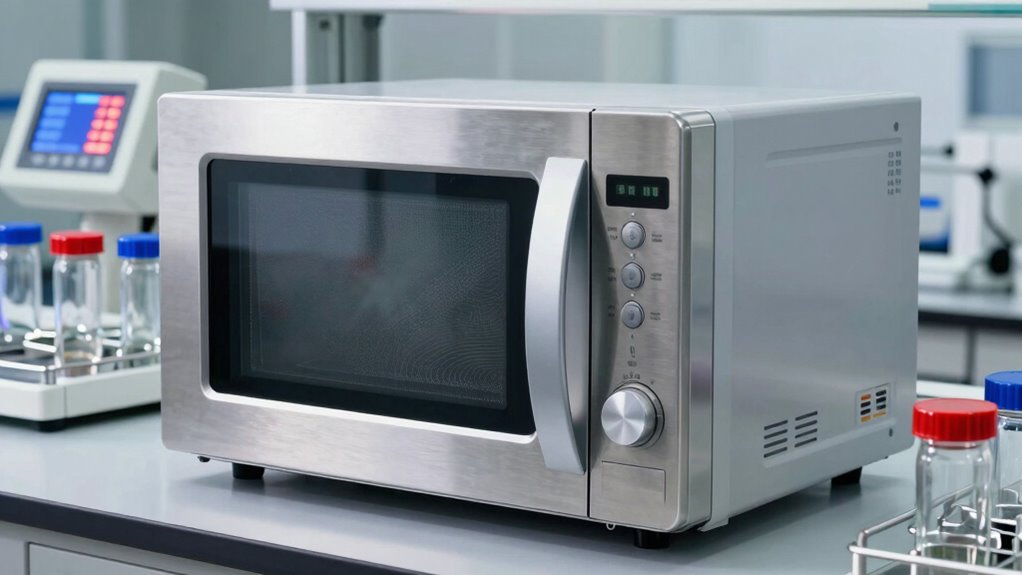

Microwave digestion systems speed up sample prep by heating samples quickly and processing multiple samples at once, boosting your productivity. However, these faster methods bring new failure modes, such as over-pressurization and electronic malfunctions, which can cause safety issues or disrupt operations. Proper maintenance, calibration, and safety protocols are vital to prevent problems. Staying vigilant about potential failure points helps guarantee safe, efficient use—keep exploring to discover how to manage these risks effectively.

Prime made for students and young adults
- Fast, free delivery for dorm and study essentials
- Prime Video and Amazon Music included
- Member-only deals
Key Takeaways
- Microwave digestion systems significantly speed up sample preparation compared to traditional methods.
- Rapid heating and multiple sample processing can introduce new failure modes like over-pressurization.
- Regular maintenance and inspection are crucial to prevent pressure vessel failures and equipment malfunctions.
- System alarms and abnormal pressure readings indicate potential failures requiring immediate troubleshooting.
- Understanding system limitations helps in avoiding failures and ensures safe, efficient operation.
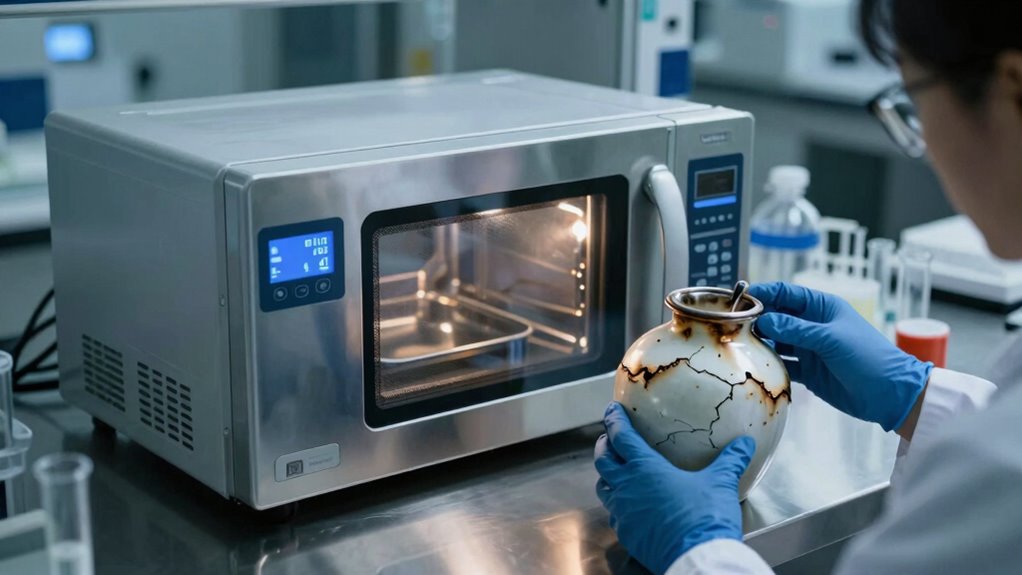
Microwave digestion systems have revolutionized sample preparation in laboratories by providing a fast, efficient, and safe way to break down complex matrices. These systems use microwave energy to heat samples quickly, enabling you to prepare specimens for analysis in a fraction of the time traditional methods require. The speed and efficiency of microwave digestion mean you can process multiple samples simultaneously, markedly increasing productivity. This technology minimizes the risk of contamination and reduces the amount of reagent needed, making it a safer, more sustainable choice. When working with microwave digestion, adhering to proper safety protocols is essential. You need to guarantee that your equipment is correctly calibrated and that all pressure vessels are in good condition before starting. Overlooking safety measures can lead to dangerous pressure buildup or chemical leaks, posing risks to you and your colleagues. Proper training on handling acids and other reagents used in digestion is indispensable to prevent accidents. Always wear personal protective equipment—gloves, goggles, and lab coats—and work within a well-ventilated area or under a fume hood. Properly securing the digestion vessels and following manufacturer guidelines for pressure and temperature limits are critical safety steps. Additionally, it’s important to understand the failure modes of your microwave system. While these devices are generally reliable, failures can occur, especially if maintenance is neglected. For example, a common issue is pressure vessel failure due to over-pressurization, which can lead to vessel rupture. This highlights the importance of regular inspections and replacing worn components. The design of microwave digestion systems also introduces new failure modes, such as electronic or thermal malfunctions, which can disrupt your workflow or compromise safety. To mitigate these risks, you should keep detailed maintenance logs and perform routine checks on all parts. In case of abnormal operation—like unexpected pressure readings or warning alarms—you must shut down the system immediately and investigate before resuming work. Staying vigilant about these potential failure points helps prevent accidents and guarantees consistent, reliable results**. As you embrace microwave digestion for your sample preparation, remember that understanding both the advantages and limitations of these systems allows you to operate safely and efficiently. Proper training, diligent maintenance, and strict adherence to safety protocols are your best tools for avoiding failures and maximizing the benefits of this innovative technology. Additionally, being aware of system failure modes enables proactive troubleshooting and enhances overall laboratory safety. Recognizing the importance of preventative maintenance can significantly reduce unexpected disruptions and improve system longevity. Furthermore, understanding the design limitations** of microwave digestion systems can help you select appropriate equipment for your specific needs.
As an affiliate, we earn on qualifying purchases.
Frequently Asked Questions
What Are the Latest Safety Features in Microwave Digestion Systems?
You’ll find that the latest microwave digestion systems include advanced safety features like enhanced safety protocols and automatic emergency shutdowns. These systems monitor pressure, temperature, and other critical parameters in real-time, instantly stopping operation if unsafe conditions arise. This proactive approach helps prevent accidents and equipment damage, ensuring your safety during sample preparation. With these innovations, you get reliable results while minimizing risks associated with high-pressure digestion processes.
How Do Maintenance Requirements Vary Between Different Models?
You’ll notice maintenance frequency varies considerably across models, impacting their overall equipment lifespan. Some systems require monthly checks, especially for seals and safety valves, while others need only quarterly inspections. Higher-end models often have more durable parts, reducing maintenance needs and extending lifespan. Regular upkeep ensures safety and performance, so understanding each model’s specific maintenance schedule helps you prevent failures and maximize your investment’s longevity.
Can Microwave Digestion Systems Be Integrated With Laboratory Automation?
Yes, microwave digestion systems can be integrated with laboratory automation. You can incorporate automated sample handling and connect them with robotics, streamlining workflows and reducing manual effort. Many models support seamless integration, allowing you to automate sample loading, digestion, and transfer processes. This integration improves efficiency, minimizes errors, and enhances throughput, making it easier to handle large sample volumes with precision and consistency in your laboratory operations.
What Are the Environmental Impacts of Using Microwave Digestion Systems?
Using microwave digestion systems impacts the environment through their environmental footprint, primarily due to energy consumption and chemical waste. You should prioritize waste management by properly disposing of acids and residues to minimize pollution. While they offer faster prep, you can reduce environmental harm by optimizing energy use and recycling waste where possible. Being conscious of these factors helps balance efficient analysis with responsible environmental stewardship.
How Do Operating Costs Compare Across Various Brands and Models?
Cost comparison across brands varies widely, with some models demanding deep pockets and others offering budget-friendly options. You’ll find brand variations in initial investment, maintenance, and operational expenses, so it pays to compare. Higher-end brands might boast top-tier technology and durability, but budget brands can cut costs upfront. Ultimately, you choose based on your needs, balancing budget, performance, and potential long-term savings to make the most of your money.
Conclusion
Microwave digestion systems revolutionize sample prep with their speed and efficiency. However, be aware of new failure modes that can occur, like vessel cracking or uneven heating. Did you know that over 30% of lab downtime is linked to equipment failures? Staying vigilant and maintaining your systems can save you time and money. Embrace these advancements, but don’t forget to oversee for potential issues to guarantee consistent, reliable results every time.
Evergreen bestsellers Picks
bestsellers
As an affiliate, we earn on qualifying purchases.