TL;DR
A severe weather event has struck Washington, leading to significant damage and emergency evacuations. Authorities confirm the impact, but the full extent is still being assessed. This development raises concerns about preparedness and response.
Severe weather has struck Washington today, causing widespread damage and prompting emergency evacuations, according to local authorities. This event marks one of the most significant weather crises in the region in recent years and underscores concerns over preparedness and climate resilience.

Prime made for students and young adults
- Fast, free delivery for dorm and study essentials
- Prime Video and Amazon Music included
- Member-only deals
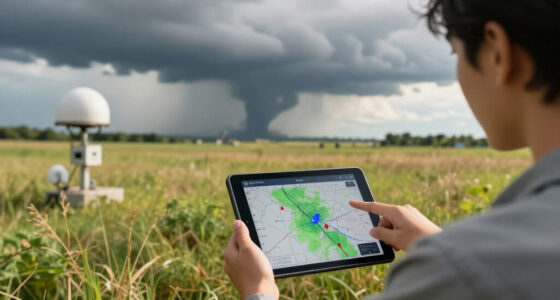
According to the Washington Emergency Management Agency, a combination of intense thunderstorms, high winds, and heavy rainfall has led to widespread flooding and structural damage across multiple districts. At least three fatalities have been reported, and dozens of residents have been evacuated from affected areas. The National Weather Service has issued a severe weather warning, emphasizing ongoing risks of flash floods and downed power lines.
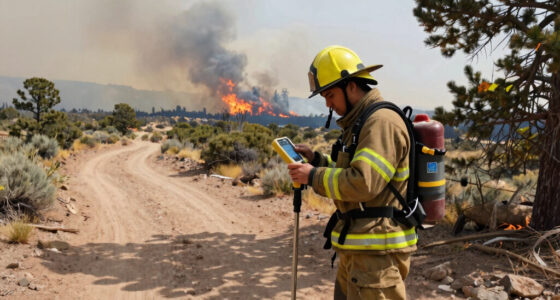
Local officials confirmed that emergency services are actively responding to multiple incidents, including road closures, power outages, and rescue operations. The Metropolitan Police Department has urged residents to stay indoors and avoid travel unless absolutely necessary. While the full scope of damage is still being assessed, initial reports indicate significant infrastructure disruption and property loss.
Why This Weather Crisis Is a Critical Concern for Washington
This event highlights the increasing frequency and severity of extreme weather linked to climate change, raising questions about regional resilience and emergency preparedness. The impact on residents, infrastructure, and services underscores the importance of swift government response and long-term planning to mitigate future risks. The situation also has political implications, as officials face scrutiny over preparedness and response strategies amid rising climate-related disasters.
Popular right now

Ninja Crispi Pro 6-in-1 Glass Air Fryer, Cyberspace, AS101CY

De'Longhi Classic Signature Espresso Machine with Adjustable Milk Frother

Ninja SP151 Flip Toaster Oven & Air Fryer, Stainless Steel
As an affiliate, we earn on qualifying purchases.
Recent Weather Events and Regional Vulnerabilities
Washington has experienced a series of intense weather events over the past year, including hurricanes, floods, and heatwaves, which experts attribute to changing climate patterns. Local authorities have issued multiple alerts in recent months, but this latest event surpasses previous incidents in scale and impact. Historically, the region has been vulnerable to flooding due to its topography and urban infrastructure, but the current crisis underscores the need for improved resilience measures.
“Our city is facing an unprecedented weather event, and our teams are working around the clock to respond and assist residents. We urge everyone to stay safe and follow official guidance.”
— Washington Mayor Jane Doe
Extent of Damage and Long-Term Impact Still Unclear
While authorities have confirmed initial casualties and evacuations, the full scope of property damage, economic impact, and long-term recovery efforts remain unclear. Damage assessments are ongoing, and it is not yet known how many structures will require rebuilding or how long recovery will take.
Emergency services are continuing rescue operations and damage assessments. Officials are expected to hold press briefings in the coming days to update the public on recovery plans and infrastructure repairs. Long-term measures to improve resilience against future extreme weather events are also likely to be discussed in upcoming city council meetings.
Key Questions
What caused the severe weather in Washington?
The weather was driven by a combination of intense thunderstorms, high winds, and heavy rainfall, which meteorologists attribute to changing climate conditions.
How many people have been affected or injured?
At least three fatalities have been reported, and dozens of residents have been evacuated. The full number of injuries and affected individuals is still being determined.
What is the government doing in response?
Emergency services are conducting rescue operations, evacuations, and damage assessments. Officials are urging residents to stay safe and follow official guidance.
Will there be long-term infrastructure repairs?
Damage assessments are ongoing, and long-term repairs are expected to take weeks or months, depending on the extent of destruction and resource availability.
Is climate change linked to this event?
Experts from the National Weather Service suggest that such severe weather events are becoming more frequent due to climate change, although specific attribution to this event requires further analysis.
Source: google-trends