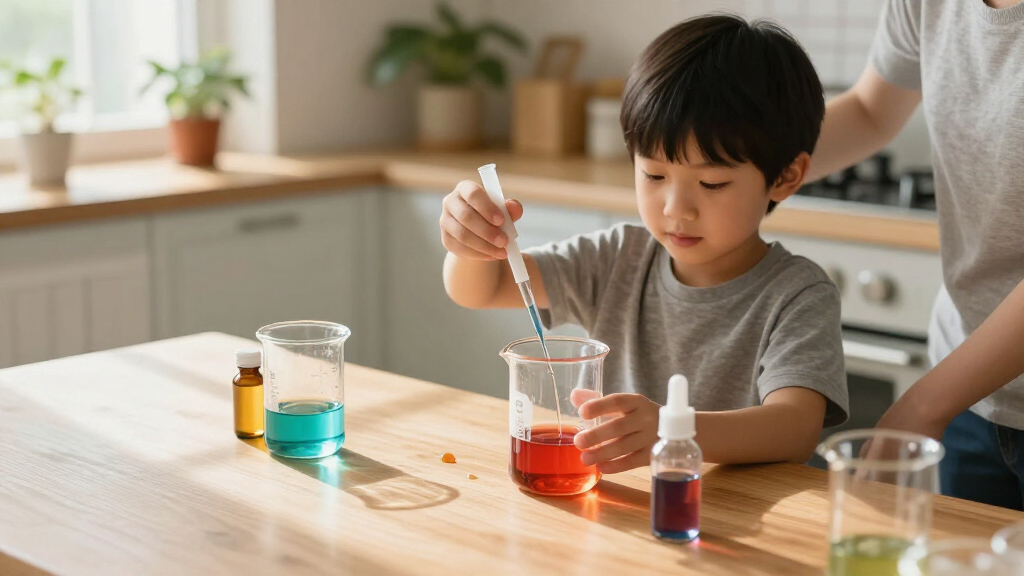

Chemistry experiment kits for kids range from simple mixing sets for preschoolers to serious 100+ experiment labs for ages 8-12, and the right pick depends mostly on your child’s age and how much supervision you’re willing to give. The National Geographic Amazing Chemistry Set (100+ Experiments) stands out as the best overall choice because it balances volume, real chemical reactions, and structured instructions for the 8-12 age range. For younger children, the Doctor Jupiter My First Science Kit (Ages 4+) is the better starting point, while the Thames & Kosmos Ooze Labs Chemistry Station offers the most polished hardware for kids who want a genuine lab feel. The main tradeoffs in this category: experiment count versus experiment quality, one-time consumables versus reusable gear, and themed fun (like the Gross Science kits) versus classic chemistry education. Read on for the full breakdown of all 15 kits.

Prime made for students and young adults
- Fast, free delivery for dorm and study essentials
- Prime Video and Amazon Music included
- Member-only deals
Key Takeaways
- Experiment count is the biggest marketing trap in this category: the UNGLINGA kits advertise 150-272 experiments, but many are variations or simple demonstrations, while the National Geographic 100+ sets deliver more genuinely distinct chemistry per activity.
- The National Geographic brand dominates this lineup with six entries, but they are not interchangeable — the Junior set skews younger and simpler, the Mega Science Lab blends chemistry with other sciences, and the Amazing Chemistry Set is the true chemistry-first flagship.
- Age ratings matter more than price tiers here: the Doctor Jupiter Ages 4+ kit uses color-changing and bubbling reactions safe for preschoolers, while the 8+ kits include real reagents that require adult supervision and careful storage.
- The two Gross Science kits trade classic chemistry curriculum for gross-out engagement — a smart hook for reluctant scientists, but a weaker fit for kids who want structured learning.
- Thames & Kosmos Ooze Labs is the only kit in the lineup built around a physical lab station rather than loose supplies, making it the most replayable hardware purchase but the weakest choice if raw experiment variety is the priority.
| National Geographic Junior Chemistry Set with 50 Experiments |  | Best for Preschool Scientists | Brand: Blue Marble | Age range: 4 years and up | Experiments: 50 | VIEW LATEST PRICE | See Our Full Breakdown |
| National Geographic Chemistry Set for Kids, 45 Experiments |  | Best Overall | Brand: National Geographic | Age range: 8 years and up | Number of experiments: 45 | VIEW LATEST PRICE | See Our Full Breakdown |
| National Geographic Science Magic Kit for Kids, 100+ Experiments |  | Best for Performance-Minded Kids | Brand: Blue Marble | Age range: 8 years and up | Experiments included: 20 magic experiments plus 85+ additional experiments in a booklet | VIEW LATEST PRICE | See Our Full Breakdown |
| UNGLINGA 272-Experiment Science Kit for Kids |  | Best Value for Volume | Experiment count: 272 | Included tools: Test tube, measuring spoon, beaker, conical flask | Tool material: Plastic | VIEW LATEST PRICE | See Our Full Breakdown |
| Thames & Kosmos Ooze Labs Chemistry Station Science Experiment Kit |  | Best Premium Lab Experience | Brand: Thames & Kosmos | Age range: 72 to 300 months (6 to 25 years) | Experiments: Approximately 20 | VIEW LATEST PRICE | See Our Full Breakdown |
| Doctor Jupiter My First Science Experiments Kit for Kids Ages 4+ |  | Best for Preschoolers | Experiments: 50+ | Recommended age: 4 years and up | Safety standard: ASTM F963-17 | VIEW LATEST PRICE | See Our Full Breakdown |
| UNGLINGA 210-Experiment Science Kit for Kids |  | Best Experiment Count per Dollar | Brand: UNGLINGA | Experiments: 210+ | Recommended age: 8 years and up | VIEW LATEST PRICE | See Our Full Breakdown |
| National Geographic Mega Science Lab: 75 Experiments for Kids Ages 8+ |  | Best Multi-Subject Bundle | Brand: Blue Marble (National Geographic) | Age range: 8 years and up | Experiments: 75 total (45 kit-based, 30 household-item) | VIEW LATEST PRICE | See Our Full Breakdown |
| National Geographic Gross Science Kit with 45 Experiments for Kids |  | Best for Reluctant Scientists | Brand: National Geographic | Experiments: 15 included-material experiments plus 30 bonus household-item experiments | Recommended age: 8–12 years | VIEW LATEST PRICE | See Our Full Breakdown |
| National Geographic Amazing Chemistry Set – 100+ Science Experiments for Kids Ages 8-12 |  | Best True Chemistry Kit | Brand: Blue Marble (National Geographic) | Age range: 8 years and up | Experiments: 15 core with included materials, 85 bonus household-item experiments | VIEW LATEST PRICE | See Our Full Breakdown |
| Carolart Science Experiment Kit for Kids Ages 6–12 |  | Best for Group and Homeschool Use | Brand: Carolart | Age Range: 6–12 years | Number of Activities: 130+ | VIEW LATEST PRICE | See Our Full Breakdown |
| UNGLINGA 70-Experiment Chemistry Science Kit for Kids |  | Best Starter Chemistry Kit | Brand: UNGLINGA | Experiments: 70 | Recommended Age: 8 years and up | VIEW LATEST PRICE | See Our Full Breakdown |
| UNGLINGA 150-Experiment Science Kit for Kids | 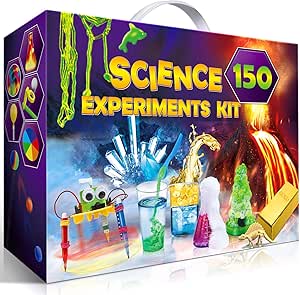 | Best Broad STEM Variety | Brand: UNGLINGA | Experiments: 150 | Recommended Age: 8 years and up | VIEW LATEST PRICE | See Our Full Breakdown |
| Doctor Jupiter Ultimate Science Experiments Kit for Kids Ages 8+ |  | Best Overall | Recommended Age: 8+ years | Number of Experiments: 135+ | Bonus Experiments: 90+ using household items | VIEW LATEST PRICE | See Our Full Breakdown |
| National Geographic Gross Science Kit – Chemistry Toy for Ages 8-12 |  | Best Themed Pick for Reluctant Scientists | Recommended Age: 8–12 years | Experiments Included: 6 core plus 10 bonus in booklet | Brand: National Geographic (Blue Marble) | VIEW LATEST PRICE | See Our Full Breakdown |
| chemistry experiment kits for kid | Brand | Experiments |
|---|---|---|
| National Geographic Junior Che | Blue Marble | 50 |
| National Geographic Chemistry | National Geographic | — |
| National Geographic Science Ma | Blue Marble | — |
| UNGLINGA 272-Experiment Scienc | — | — |
| Thames & Kosmos Ooze Labs Chem | Thames & Kosmos | Approximately 20 |
| Doctor Jupiter My First Scienc | — | 50+ |
| UNGLINGA 210-Experiment Scienc | UNGLINGA | 210+ |
| National Geographic Mega Scien | Blue Marble (National Geographic) | 75 total (45 kit-based, 30 household-item) |
| National Geographic Gross Scie | National Geographic | 15 included-material experiments plus 30 bonus household-item experiments |
| National Geographic Amazing Ch | Blue Marble (National Geographic) | 15 core with included materials, 85 bonus household-item experiments |
| Carolart Science Experiment Ki | Carolart | — |
| UNGLINGA 70-Experiment Chemist | UNGLINGA | 70 |
| UNGLINGA 150-Experiment Scienc | UNGLINGA | 150 |
| Doctor Jupiter Ultimate Scienc | — | — |
| National Geographic Gross Scie | National Geographic (Blue Marble) | — |
More Details on Our Top Picks
National Geographic Junior Chemistry Set with 50 Experiments
Most chemistry kits on this list start at age 8, which leaves younger siblings watching from the sidelines. This set closes that gap with a 4-and-up age rating, making it the most accessible entry point in the roundup. The tradeoff for that lower age floor is depth: unlike the National Geographic 45-Experiment Set, which introduces combustion-style spectacles like geysers and rockets, these 50 experiments lean on gentle reactions — think baking soda and vinegar — that a four-year-old can safely explore. With over 20 child-safe lab tools, including goggles and test tubes, this option stands out for building early lab habits rather than chasing big effects. Just expect a pantry raid, since many activities call for household items you supply yourself.
Pros:- Age rating starts at 4, lower than nearly every other kit in this roundup
- Over 20 child-safe lab tools including goggles and test tubes
- 50 experiments provide plenty of repeat value for young attention spans
- Illustrated step-by-step instructions readable by early learners
Cons:- Common household ingredients are not included, so experiments require advance planning
- Reactions are intentionally mild, which may bore older kids used to flashier kits
Best for: Parents of children aged 4–7 who want a genuine first chemistry set with real lab tools scaled for small hands
Not ideal for: Families wanting a self-contained kit — many experiments require supplying your own baking soda, vinegar, and other household ingredients
- Brand:Blue Marble
- Age range:4 years and up
- Experiments:50
- Lab tools:20+
- Included components:Test tubes, goggles, and other lab tools
- Educational objective:STEM
Our verdict“If you’re buying for a curious preschooler rather than an eight-year-old, this is the kit that actually meets them at their level.”
National Geographic Chemistry Set for Kids, 45 Experiments
This is the pick that balances spectacle, instruction quality, and brand trust better than anything else in the batch. The volcano, geyser, and rocket activities give kids the dramatic payoff that pure-workbook kits like the Thames & Kosmos Ooze Labs deliberately avoid, while the illustrated manual teaches actual chemistry concepts rather than just telling kids what to pour where. Compared with the UNGLINGA 272-Experiment Kit, the experiment count is far smaller, but the curation feels tighter — each activity has a clear purpose instead of padding the number. At an 8-and-up age rating, it sits in the sweet spot for independent play with occasional adult backup. The main compromise is supervision: several reactions genuinely need a grown-up present, so it’s not a quiet-time solution.
Pros:- Marquee experiments (volcano, geyser, rocket) deliver big visual payoffs
- Kid-friendly instructions teach chemistry concepts and safe lab practices
- 45 experiments offer strong variety without overwhelming young scientists
- Trusted National Geographic branding with well-produced printed materials
Cons:- Requires adult supervision for several experiments
- Fewer activities than competing high-count kits at a similar tier
Best for: Families with kids aged 8–12 who want dramatic, memorable experiments backed by genuinely educational instructions
Not ideal for: Parents seeking a fully independent activity — several experiments explicitly require adult supervision for safe use
- Brand:National Geographic
- Age range:8 years and up
- Number of experiments:45
- Educational focus:STEM and chemistry
- Included activities:Volcano eruption, geyser, and rocket
- Set name:Stunning Chemistry Set
- Model number:NGMEGACHEMX
Our verdict“The most well-rounded choice for elementary-age kids who want chemistry that looks as exciting as it teaches.”
National Geographic Science Magic Kit for Kids, 100+ Experiments
Where the 45-Experiment Chemistry Set teaches through reactions, this kit teaches through showmanship — the 20 included magic experiments are designed to be performed for an audience, then explained. That framing makes it a smart match for kids who love attention as much as science, and the bonus booklet with 85+ additional experiments pushes the total past 100, rivaling the UNGLINGA 272-Experiment Kit in raw volume. The catch is a bait-and-switch risk: only 20 experiments come with physical materials, so the booklet extras mostly use household supplies. Compared with the Ooze Labs Chemistry Station, which supplies non-hazardous chemicals for everything, this option demands more parental improvisation. For a confident performer-in-training, though, the magic angle is a genuinely different hook.
Pros:- Combines magic tricks with real chemistry and STEM learning
- Performance angle builds confidence and presentation skills
- Bonus booklet extends play well beyond the 20 core experiments
- Same instruction quality as other National Geographic kits in this lineup
Cons:- Most of the advertised 100+ experiments lack included materials
- Magic framing means less straight chemistry instruction than dedicated lab kits
Best for: Kids aged 8 and up who enjoy performing for family and friends and want science they can show off
Not ideal for: Buyers expecting 100 fully stocked experiments — only 20 come with materials, and the rest rely on the booklet and household items
- Brand:Blue Marble
- Age range:8 years and up
- Experiments included:20 magic experiments plus 85+ additional experiments in a booklet
- Set name:Mega Science Kit
- Model number:NGMEGAMAGIC
- UPC:816448027680
- Number of packs:1
Our verdict“A great fit for the theatrical young scientist, as long as you understand the 20-versus-100 experiment split before buying.”
UNGLINGA 272-Experiment Science Kit for Kids
No other kit in this batch comes close on sheer quantity: 272 activities spanning volcanoes, crystal growing, holographic projections, and rainbow walking water. That volume makes this the strongest pick for families stretching one purchase across months of rainy weekends, especially with siblings taking turns. The honest tradeoff is quality control — the plastic lab tools (test tube, beaker, conical flask, measuring spoon) feel lighter-duty than the gear in the National Geographic Junior Chemistry Set, and the experiment count includes many quick demonstrations rather than the meatier, curated activities of the National Geographic 45-Experiment Set. Adult participation is effectively mandatory for a large share of the activities. If your goal is maximum experiments per dollar rather than polish, this model makes the most sense.
Pros:- 272 experiments is the largest count in this roundup by a wide margin
- Wide activity variety from crystals to optics keeps interest fresh
- Child-sized lab tools included for authentic role-play
- Illustrated step-by-step manual spans the full experiment library
Cons:- Many experiments require active adult participation
- All-plastic tools are less durable than gear in competing kits
- High count includes short demonstrations rather than 272 substantial labs
Best for: Budget-conscious families who want the longest runway of activities and don’t mind supervising closely
Not ideal for: Gift-givers seeking premium components — the plastic tools and quick-hit experiments feel noticeably less substantial than pricier sets
- Experiment count:272
- Included tools:Test tube, measuring spoon, beaker, conical flask
- Tool material:Plastic
- Instructions:Illustrated step-by-step experiment manual
- Activity types:Volcano eruptions, crystal growing, holographic projections, rainbow walking water
- Educational objective:Hands-on science exploration
Our verdict“The clear choice when experiment volume matters more than component quality or independence.”
Thames & Kosmos Ooze Labs Chemistry Station Science Experiment Kit
This is the only kit in the batch built around a dedicated physical lab station, and that changes the experience: kids get a 57-piece setup with mounted vessels and tools that makes the whole thing feel like real bench science rather than a one-off craft session. Compared with the UNGLINGA 272-Experiment Kit, the roughly 20 experiments look sparse, but each is more rigorous — chromatography and pH testing teach genuine lab technique that reaction-spectacle kits skip. The standout safety story is the use of non-hazardous, borax-free chemicals, all included in the box, so there’s no pantry-scavenging like the National Geographic Junior Chemistry Set requires. The tradeoff is price-per-experiment and a relatively short activity list, plus a 16-page manual that ambitious kids will outgrow quickly.
Pros:- Dedicated lab station creates an immersive, reusable workspace
- Non-hazardous, borax-free chemicals are all included in the box
- Real lab techniques like chromatography and pH testing teach proper method
- Experiment cards and 16-page illustrated manual guide safe independent play
Cons:- Only about 20 experiments, the smallest count among premium kits here
- Higher cost per experiment than volume-focused alternatives
- Manual depth is limited for kids who advance quickly
Best for: Parents who prioritize safety and structure and want a self-contained kit with all chemicals included
Not ideal for: Kids hungry for endless variety — roughly 20 experiments will be exhausted far sooner than 100+ activity competitors
- Brand:Thames & Kosmos
- Age range:72 to 300 months (6 to 25 years)
- Experiments:Approximately 20
- Pieces:57
- Chemicals:Non-hazardous; does not contain borax
- Included materials:Chemistry station, experiment cards, lab vessels and tools, chemicals, and 16-page manual
- Educational objective:Science
Our verdict“The safest and most authentic-feeling lab setup in this roundup, best for families who value quality over experiment quantity.”
Doctor Jupiter My First Science Experiments Kit for Kids Ages 4+
Most chemistry kits on this list start at age 8, which leaves younger siblings watching from the sidelines. This option stands out for meeting preschoolers at their developmental level, with 50+ simple experiments and illustrated step-by-step instructions that a parent and four-year-old can follow together. The stated ASTM F963-17 safety compliance matters more at this age than at any other, since young kids are likelier to touch, taste, and mishandle materials. Compared with the UNGLINGA 210-Experiment kit, the experiment count is far lower and the science is shallower — but that’s the point. A four-year-old doesn’t need pH chemistry; they need cause and effect, mixing, and wonder. The tradeoff: this is a parent-involved kit, not an independent-activity solution, so buyers expecting to step away should adjust expectations.
Pros:- One of the few real chemistry-adjacent kits rated for ages 4 and up
- 50+ hands-on experiments give plenty of variety for short attention spans
- Illustrated instructions work for both pre-readers and adults
- Meets the stated ASTM F963-17 U.S. toy safety standard
Cons:- Most experiments require an adult partner, so it isn’t a self-directed activity
- Science depth is thin compared with kits for ages 8+
Best for: Parents of children aged 4–6 who want a safe, guided introduction to science they can do alongside their child
Not ideal for: Families seeking an independent-activity kit for an older child — the content is too simple for kids past first grade
- Experiments:50+
- Recommended age:4 years and up
- Safety standard:ASTM F963-17
- Instruction format:Illustrated, step-by-step manuals
- Included:Science equipment, tools, and instruction manuals
- Focus:STEM exploration and discovery for early learners
Our verdict“If your scientist still has training wheels, this is the rare kit that welcomes them in rather than making them wait.”
UNGLINGA 210-Experiment Science Kit for Kids
If sheer volume is what keeps your kid engaged, this kit plays the numbers game harder than almost anything else here. With 210+ experiments spanning chemistry, geology, and physics, it out-counts the National Geographic Mega Science Lab’s 75 by nearly three to one, and its color manual walks kids through volcano eruptions and crystal growing without requiring a tablet or app. The breadth is both its strength and its weakness: where the Nat Geo chemistry set uses real lab tools like beakers and pipettes, this kit leans on plastic components and simpler presentation, so it feels more like a general science sampler than a true chemistry bench. Compared with the smaller UNGLINGA 70-Experiment kit, this version makes the most sense for families who want months of weekend projects. Expect to supervise, though — many activities need an adult’s help or household additions.
Pros:- 210+ experiments deliver exceptional longevity for the price
- Spans chemistry, geology, physics, and nature rather than one narrow subject
- Color manual gives step-by-step guidance kids can follow visually
- Compact 11 x 8 x 3 inch box stores easily on a shelf
Cons:- Plastic components feel less like real lab gear than the National Geographic chemistry set
- Many experiments need adult guidance or extra household materials
Best for: Families who want maximum number of activities and cross-subject variety for kids who burn through kits quickly
Not ideal for: Buyers prioritizing lab-quality equipment or a focused chemistry-only curriculum — the tools are basic plastic
- Brand:UNGLINGA
- Experiments:210+
- Recommended age:8 years and up
- Subjects:Chemistry, physics, geology, natural environment
- Material:Plastic
- Dimensions:11 x 8 x 3 inches
- Guide:Color step-by-step instruction manual
- Included components:Experiments kit
Our verdict“This pick makes the most sense for quantity-driven buyers who’d rather have three months of varied projects than a polished, chemistry-specific lab.”
National Geographic Mega Science Lab: 75 Experiments for Kids Ages 8+
Think of this as three kits zipped into one box: an Earth science set, a chemistry set, and a science magic set, totaling 75 experiments (45 with included materials plus 30 using household items). That structure is what separates it from the UNGLINGA 210-Experiment kit — fewer total activities, but real rock, mineral, and crystal specimens and a branded, well-organized guide that makes each of the three sections feel like its own course. The magic-trick portion is a smart hook for kids who claim they “don’t like science,” turning chemical reactions into performance. Compared with the National Geographic Amazing Chemistry Set, it trades chemistry depth for breadth, so a kid fixated specifically on reactions may outgrow the chemistry section quickly. The household-item bonus experiments are a nice extension, though they do require a pantry run and some parental planning.
Pros:- Three distinct subject kits in one box prevent single-topic boredom
- Includes genuine rock, mineral, and crystal specimens, not just powders
- Science magic experiments add a performance angle kids can share
- 75 total experiments, with 45 using included materials
Cons:- Chemistry section is shallower than a dedicated chemistry kit
- 30 of the 75 experiments require household items not included
Best for: Parents who don’t yet know which science their 8-to-12-year-old will latch onto and want Earth science, chemistry, and magic in one purchase
Not ideal for: Kids already obsessed with chemistry specifically — the dedicated Nat Geo chemistry set goes deeper on that single subject
- Brand:Blue Marble (National Geographic)
- Age range:8 years and up
- Experiments:75 total (45 kit-based, 30 household-item)
- Subjects:Earth science, chemistry, science magic
- Included components:Earth science kit, chemistry kit, science magic kit, experiment guide
- Specimens:Real rock, mineral, and crystal samples
- Educational objectives:Critical thinking, observation skills, STEM
Our verdict“The strongest choice for undecided young scientists who want to sample three branches of science before committing to one.”
National Geographic Gross Science Kit with 45 Experiments for Kids
Some kids don’t want to grow a crystal tree — they want to boil boogers. This kit leans fully into that instinct, with 15 gloriously gross core experiments plus 30 bonus activities using household items, and it’s a legitimate strategy: the ick factor gets kids who resist traditional STEM kits to actually engage with polymers, chemical reactions, and pH science. Compared with the Mega Science Lab, the science here is narrower but the hook is sharper — this is the kit you buy for the kid who says science is boring. The illustrated guide explains the real chemistry behind each gross-out, so it isn’t just a novelty. The honest tradeoff is that two-thirds of the advertised experiments (30 of 45) require household products not included, so the out-of-box experience is smaller than the number on the box suggests. And the theme itself is divisive — plenty of parents will tap out at glowing worms.
Pros:- Gross-out theme is a proven motivator for science-averse kids
- Teaches genuine STEM concepts like polymers, reactions, and pH
- Illustrated, kid-friendly instructions with the science explained
- 45 total experiments offer extended play beyond the initial session
Cons:- Only 15 of 45 experiments use included materials
- The gross theme actively repels some kids and parents
Best for: Parents of 8-to-12-year-olds who have struggled to get their kid interested in science and need a high-appeal entry point
Not ideal for: Squeamish households or gift-buyers who want everything included — the gross theme is polarizing and 30 experiments need pantry supplies
- Brand:National Geographic
- Experiments:15 included-material experiments plus 30 bonus household-item experiments
- Recommended age:8–12 years
- Type:STEM science kit
- Guide:Illustrated, kid-friendly instructions with science explanations
- Exclusive to:Amazon
- Maker:Blue Marble, Toy Association Toy of the Year Award winner
Our verdict“The right pick when the goal is winning over a reluctant scientist, as long as the household can stomach the subject matter.”
National Geographic Amazing Chemistry Set – 100+ Science Experiments for Kids Ages 8-12
For a roundup about chemistry kits, this is the most chemically serious option of the batch. Unlike the multi-subject Mega Science Lab or the theme-driven Gross Science kit, everything here points one direction: real lab equipment — test tubes, beakers, pipettes — and experiments like color-changing solutions and crystal-tree growth that teach actual technique. Handling proper tools changes how kids relate to the science; it feels like a lab bench rather than a toy box. The 100+ experiment claim deserves scrutiny, though: only 15 use included materials, with the other 85 in a bonus guide drawing on household items. Compared with the UNGLINGA 210-Experiment kit, you get fewer activities but far better equipment and a tighter educational through-line. Younger users in the 8-to-10 range will likely need supervision for the core experiments, so this is best as a guided parent-child activity rather than solo play.
Pros:- Real scientific tools (test tubes, beakers, pipettes) build genuine lab skills
- Focused chemistry curriculum rather than a scattered science sampler
- Bonus guide extends play to 100+ total experiments
- Award-winning brand with a U.S.-based support team
Cons:- Only 15 experiments use the included materials
- Younger children will need adult supervision for core experiments
Best for: Families with an 8-to-12-year-old genuinely interested in chemistry who value authentic lab tools over experiment quantity
Not ideal for: Buyers expecting 100 ready-to-run experiments out of the box — 85 of them require sourcing household materials
- Brand:Blue Marble (National Geographic)
- Age range:8 years and up
- Experiments:15 core with included materials, 85 bonus household-item experiments
- Included components:Test tubes, beakers, pipettes, and experiment materials
- Educational objective:STEM / chemistry
- Model number:NGMEGACHEMAR
- Manufacturer:JMW Sales, Inc.
- Support:U.S.-based support team
Our verdict“The closest thing to a real starter chemistry lab on this list, best for kids whose interest in science has already taken root.”
Carolart Science Experiment Kit for Kids Ages 6–12
Most kits in this roundup are built around a single child working through a manual, but the Carolart kit is better suited to shared learning environments — classrooms, homeschool co-ops, or siblings splitting activities. With 130+ experiments spanning volcanoes, crystals, and slime, there’s enough variety to keep several kids occupied across many sessions. Compared with the UNGLINGA 70-Experiment Kit, it covers nearly double the ground and starts two years younger at age 6, which widens the audience. The tradeoff is vagueness: unlike the Doctor Jupiter Ultimate Kit, which lists leak-proof chemical storage, Carolart doesn’t clarify which experiments include full materials, so a grown-up should expect to supplement from the pantry and supervise closely.
Pros:- 130+ activities provide enough experiments for many sessions or multiple children
- Spans a wider age range than most kits, starting at age 6
- Variety of experiment types — volcanoes, crystals, glow slime, bouncy balls
- Works at home, in classrooms, or during family activities
Cons:- Unclear which experiments include all necessary materials versus needing extras
- Most activities will need adult guidance, especially for younger children
Best for: Homeschool families and group settings with mixed ages from 6 to 12
Not ideal for: Parents who want a fully self-contained kit where every experiment has all materials in the box
- Brand:Carolart
- Age Range:6–12 years
- Number of Activities:130+
- Educational Objective:Critical thinking and problem-solving
- Key Materials:Snow powder, sodium acetate, magic sand, crystal powder, calcium chloride, slime and glow slime powders, cornstarch, bouncy ball powder
- Model Number:C-CHEMICAL
- Box Dimensions:11.8 × 3.54 × 8.66 inches
Our verdict“A strong pick for families or teachers feeding several kids’ curiosity, as long as you’re comfortable sourcing some household supplies.”
UNGLINGA 70-Experiment Chemistry Science Kit for Kids
For a first dip into chemistry, 70 experiments is a smarter number than it might seem. The UNGLINGA 70-Experiment Kit keeps the classic hooks — crystal growing, an erupting volcano, fruit circuits — without overwhelming a newcomer the way the brand’s own 150-Experiment Kit can. What makes this option stand out for beginners is the illustrated guide that explains the science behind each step, not just the steps themselves, which is the same strength the bigger National Geographic kits lean on. The real drawback is transparency: no specific components are listed, so compared with the Carolart kit, which itemizes its powders and chemicals, you’re buying partly on faith that the child-friendly ingredients match the experiments you want.
Pros:- 70 experiments is a manageable size for a first science kit
- Illustrated instructions explain both steps and the underlying science
- Mixes chemistry with fun engineering projects like balloon rockets and fruit circuits
- Child-friendly ingredients suit independent experimenting with light supervision
Cons:- No listed components, making it hard to verify materials before buying
- Ambitious kids may outgrow 70 experiments quickly compared with larger kits
Best for: Parents buying a first chemistry kit for an 8-year-old who wants classics like volcanoes and crystals without a huge commitment
Not ideal for: Detail-oriented buyers who want to know exactly what chemicals and tools come in the box before purchasing
- Brand:UNGLINGA
- Experiments:70
- Recommended Age:8 years and up
- Educational Focus:STEM and chemistry
- Highlighted Activities:Crystal growing, erupting volcano, fruit circuits, balloon rocket
- Model Number:HZDZKH030
Our verdict“A low-pressure entry point into chemistry for kids around age 8 — just go in knowing the contents list is vague.”
UNGLINGA 150-Experiment Science Kit for Kids
This kit is less a chemistry set and more a general science sampler: 150 experiments spread across chemistry, physics, and earth science. That spread is the whole point — where the UNGLINGA 70-Experiment Kit focuses on core chemistry reactions, this one suits a child whose interests bounce between volcanoes, circuits, and everything else. The illustrated step-by-step manual keeps the pace manageable, and child-friendly tools mean less worry about sharp or fragile equipment. The honest tradeoff: some projects depend on common household items, so the effective experiment count is lower than the box suggests. Compared with the Doctor Jupiter Ultimate Kit, it trades leak-proof chemical storage for sheer topical breadth.
Pros:- 150 experiments across chemistry, physics, and earth science offer wide appeal
- Illustrated step-by-step manual supports independent learning
- Child-friendly tools and materials reduce safety concerns
- Large experiment count gives excellent longevity for repeat use
Cons:- Some experiments require household items not in the box
- Breadth over depth means fewer deep dives into pure chemistry than dedicated sets
Best for: Curious kids ages 8 and up who like chemistry but don’t want to be limited to a single science topic
Not ideal for: Buyers who want a chemistry-focused kit with every material included and no pantry scavenging
- Brand:UNGLINGA
- Experiments:150
- Recommended Age:8 years and up
- Educational Objective:Creative skills and hands-on learning
- Included Components:Science experiment tools and materials
- Subjects Covered:Chemistry, physics, earth science, and more
- Manufacturer Part Number:HZDZKH038
Our verdict“The right choice for a generalist young scientist who wants variety more than a concentrated chemistry education.”
Doctor Jupiter Ultimate Science Experiments Kit for Kids Ages 8+
If one kit has to carry a whole year of rainy weekends, this is the one I’d point to. With 135+ core experiments plus 90+ bonus activities using household items, the Doctor Jupiter Ultimate Kit outlasts everything else in this lineup except the oversized UNGLINGA 272-Experiment Kit — and it beats UNGLINGA on polish. The standout differentiator is separate leak-proof chemical bottles, which the Carolart and UNGLINGA kits don’t offer; that means less mess, safer storage, and materials that survive between sessions. Instructions are illustrated and parent-friendly, framing projects as bonding activities rather than solo screen time. The catch: plenty of experiments still call for pantry staples, and younger eight-year-olds will need an adult nearby for the more dramatic reactions.
Pros:- 135+ included experiments plus 90+ bonus activities deliver exceptional longevity
- Leak-proof chemical bottles keep storage clean and materials usable between sessions
- Clear illustrated instructions make parent-child collaboration genuinely easy
- 100+ hours of projected educational play justifies the larger format
Cons:- Many experiments require additional household items
- Younger children in the age range need active adult supervision
Best for: Families who want a single long-lasting kit that parents and kids can work through together over months
Not ideal for: Parents seeking a grab-and-go kit where every experiment works straight out of the box with zero extras
- Recommended Age:8+ years
- Number of Experiments:135+
- Bonus Experiments:90+ using household items
- Projected Learning Hours:100+
- Instruction Type:Step-by-step with illustrations
- Chemical Storage:Separate leak-proof bottles
- Focus:Creativity, problem-solving, and parent-child bonding
Our verdict“The most complete, best-organized package here — buy it if you want one kit that grows with your child instead of five smaller ones.”
National Geographic Gross Science Kit – Chemistry Toy for Ages 8-12
Sometimes the barrier to science interest isn’t the kit — it’s the kid. This National Geographic Gross Science Kit converts the squeam factor into motivation: popping blood cells, boiling boogers, dissecting a brain, glowing worms. Compared with the larger National Geographic Gross Science Kit with 45 Experiments, this compact version trades volume for focus, pairing each of its 6 experiments with real explanations of the chemistry at work — the educational depth Nat Geo is known for. A bonus booklet stretches it to 16 activities using household items. The obvious limitation is supply count: once the 6 main experiments are done, they’re done. This model is better suited as a hook or gift than as a standalone curriculum like the Doctor Jupiter Ultimate Kit.
Pros:- Gross-out theme is highly effective at engaging science-averse kids
- Real chemistry explanations accompany each activity
- Bonus booklet adds 10 extra experiments with household items
- Backed by an award-winning educational brand
Cons:- Only 6 main experiments before the included supplies are exhausted
- The gross theme may put off parents or more sensitive children
Best for: Kids ages 8–12 who shrug at standard science kits but love anything disgusting
Not ideal for: Parents wanting long-term value or a full experiment library — supplies run out after 6 main activities
- Recommended Age:8–12 years
- Experiments Included:6 core plus 10 bonus in booklet
- Brand:National Geographic (Blue Marble)
- Highlighted Activities:Popping blood cells, boiling boogers, brain dissection, glowing worms
- Educational Feature:Science explanations included with each experiment
- Availability:Amazon Exclusive
Our verdict“A gateway kit, not a curriculum — perfect for sparking interest in a skeptical eight-year-old who laughs at boogers.”

How We Picked
I evaluated each kit against four criteria that actually predict whether a child will keep using it. Experiment quality and distinctness came first: I looked at whether the advertised count reflected genuinely different activities or repeated variations of the same reaction. Age-appropriate safety and supervision load came second, because a kit that demands constant adult intervention plays very differently from one a 10-year-old can run semi-independently. Instruction clarity and educational depth mattered too — the best kits explain why a reaction happens, not just the steps. Finally, I weighed replay value and included hardware, since kits built around reusable stands, test tubes, and tools outlast purely consumable sets.
The ranking logic favors kits that balance all four criteria over kits that win on a single spec. That’s why the National Geographic Amazing Chemistry Set leads despite the UNGLINGA 272-Experiment kit offering a higher headline number, and why the Doctor Jupiter Ages 4+ kit ranks highly for a completely different buyer: it wins its age bracket rather than competing head-to-head with 8+ sets. Themed kits like the Gross Science line were judged on engagement value as much as chemistry content, since that is their actual job.
Factors to Consider When Choosing Chemistry Experiment Kits For Kids
Before picking a specific kit, it helps to understand how this category is structured — because the differences between kits are less about quality tiers and more about matching the kit’s design to your child’s age, independence level, and interest in chemistry specifically.Match the Kit to the Age, Not the Grade Level
Age labels on chemistry kits are more meaningful than on most toys because they reflect chemical complexity and fine-motor demands, not just marketing segments. A kit rated 4+ like the Doctor Jupiter My First Science kit relies on color changes, bubbles, and safe household-grade reactions that work even with a child who spills everything. Kits rated 8-12, like the National Geographic Amazing Chemistry Set, assume the child can measure precisely, follow multi-step instructions, and handle mildly reactive substances responsibly. A common mistake is buying up — parents purchase an 8+ kit for a 6-year-old thinking it will last longer, and the result is a frustrated child and a parent doing most of the experiment. If you’re buying for a range of siblings, choose the kit that matches the youngest active participant or plan to run the harder experiments yourself as demonstrations.
Interrogate the Experiment Count
The headline number on the box is the least reliable spec in this category. Some manufacturers count every color variation or repeat run as a separate “experiment,” which is how a 272-experiment kit can contain fewer distinct activities than a 45-experiment kit. What matters is distinct activities per dollar and per session — a kit with 45 genuinely different reactions often outperforms a 200-experiment kit where 150 of them are the same volcano with different food coloring. Read the activity list if it’s available, and look for variety across reaction types: acid-base, crystal growth, polymer absorption, temperature change, and color chemistry. A kit covering five different reaction types teaches more chemistry than a kit with three times the count built on one reaction.
Consumables Versus Hardware
Every kit in this category is partly consumable — reagents run out. But kits differ sharply in how much value survives after the chemicals are gone. The Thames & Kosmos Ooze Labs Chemistry Station is built around a physical lab station with test tubes and stands that children keep using with household supplies long after the included reagents are exhausted. Looser bag-style kits like the UNGLINGA line are almost entirely consumable, which makes them cheaper upfront but effectively single-use products. If your child cycles through interests quickly, consumable-heavy kits are fine. If chemistry might become a lasting hobby, hardware-forward kits compound in value — and refill packs exist for most major brands, which is worth checking before you buy.
Supervision Load and Household Mess
Be honest about how much time you’ll spend at the table, because kits vary from fully independent activities to parent-run demonstrations. Preschool kits like Doctor Jupiter Ages 4+ are designed for a parent and child together, with setup and cleanup being half the experience. The 8-12 sets from National Geographic are built for semi-independent use, though most still need an adult for the more reactive steps. Also plan the physical setup: several kits in this lineup involve fizzing, oozing, or color-dye reactions that stain countertops and clothing, so a tray, an old towel, and a non-carpeted surface will save you more grief than any product feature. Kits that advertise “gross” experiments tend to be the messiest of all by design.
Themed Engagement Versus Curriculum
Some kits exist to teach chemistry; others exist to make a child want to do chemistry, and both are legitimate purchases. The Gross Science kits and the National Geographic Science Magic Kit sit in the engagement camp — their experiments are chosen for wow factor and humor rather than systematic coverage. Classic sets like the Amazing Chemistry line are closer to a curriculum, with explanations that build on each other. The tradeoff is real: a reluctant learner may do twenty gross experiments and never touch a curriculum-style kit, while a genuinely curious child will outgrow themed sets quickly. If you’re unsure, engagement-first kits make better first purchases, and you can move to structured sets once the interest sticks.
Instruction Quality Determines Whether the Kit Gets Used
The single most common failure mode for chemistry kits isn’t a bad reaction — it’s a child who can’t follow the manual and gives up by experiment three. Look for illustrated step-by-step guides with explanations of the science behind each activity, which is where the established brands consistently outperform generic kits. National Geographic and Thames & Kosmos manuals typically include the “why” behind each reaction, turning a magic trick into a lesson. Smaller brands sometimes ship thin pamphlets with translation issues or vague measurements, which pushes the teaching burden onto you. Before buying, check whether the manual is available to preview, and treat guide quality as heavily as experiment count — a brilliant kit with a confusing manual becomes shelf clutter within a week.
Frequently Asked Questions
Are chemistry experiment kits for kids actually safe?
Is a bigger experiment count always the better buy?
What happens when the chemicals run out — is the kit useless?
Should I buy a gross or magic-themed kit or a classic chemistry set?
Which kit is best if I have two kids of different ages?
Conclusion
The right choice here depends less on budget and more on who is opening the box. For best overall, the National Geographic Amazing Chemistry Set (100+ Experiments) delivers the strongest combination of real chemistry, clear instructions, and age-appropriate independence for the core 8-12 audience. For best value, the UNGLINGA 150-Experiment kit offers the most activity per dollar if you accept some repetition and a thinner manual. For best premium, the Thames & Kosmos Ooze Labs Chemistry Station justifies its cost with reusable lab hardware that outlives its reagents. For beginners and younger children, the Doctor Jupiter My First Science Kit (Ages 4+) is the clear entry point, with the National Geographic Junior Chemistry Set as the step up for early elementary ages. For specific needs: the Gross Science kits for reluctant learners who need a hook, the Science Magic Kit for demonstration-loving performers, and the Mega Science Lab for kids who want chemistry plus other sciences in one box. Match the kit to the child, and any of these fifteen will do its job.
Halloween Picks
halloween
As an affiliate, we earn on qualifying purchases.