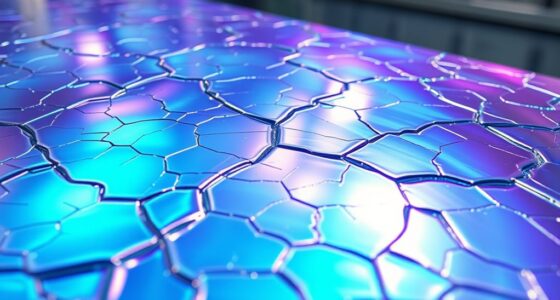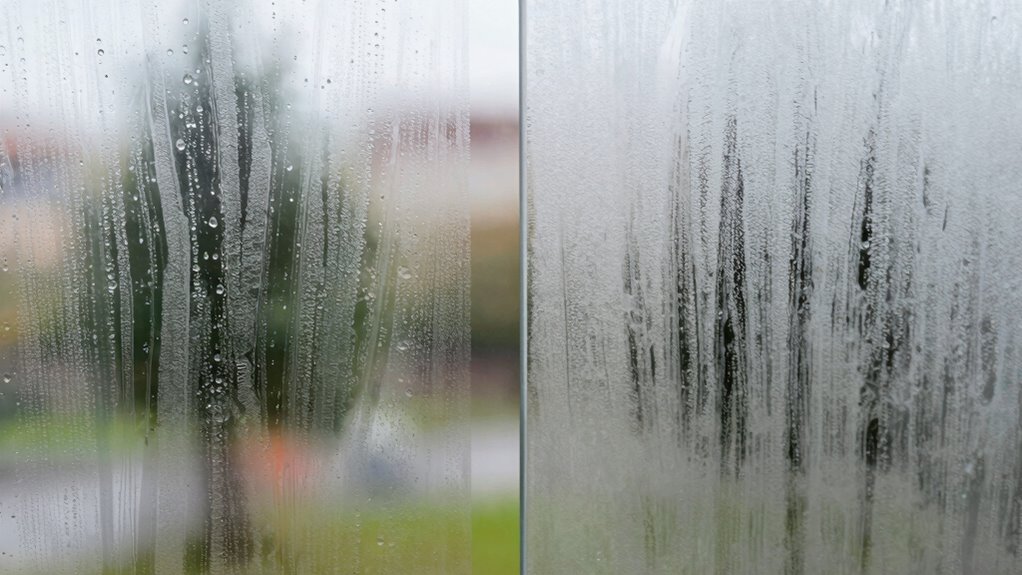

Anti-fog coatings based on surface chemistry offer a smarter, long-lasting fix compared to wiping. They create hydrophilic surfaces that attract water molecules and spread moisture into a thin, clear film, preventing fog from forming. Unlike temporary solutions, these coatings stay effective over time and resist scratches, cleaning, and environmental factors. If you want to discover how advanced chemistry keeps your surfaces fog-free longer, keep exploring the details behind these innovative coatings.

Prime made for students and young adults
- Fast, free delivery for dorm and study essentials
- Prime Video and Amazon Music included
- Member-only deals
Key Takeaways
- Surface chemistry creates durable, hydrophilic coatings that prevent fogging permanently, unlike temporary wiping solutions.
- Hydrophilic surfaces spread moisture evenly, maintaining clear visibility in various environmental conditions.
- Advanced coatings incorporate nanotechnology for enhanced durability and resistance to scratches and environmental wear.
- Unlike wiping, surface chemistry offers a long-term, reliable solution that reduces maintenance and reapplication needs.
- Innovations in surface chemistry ensure coatings stay effective longer, providing consistent fog prevention over time.
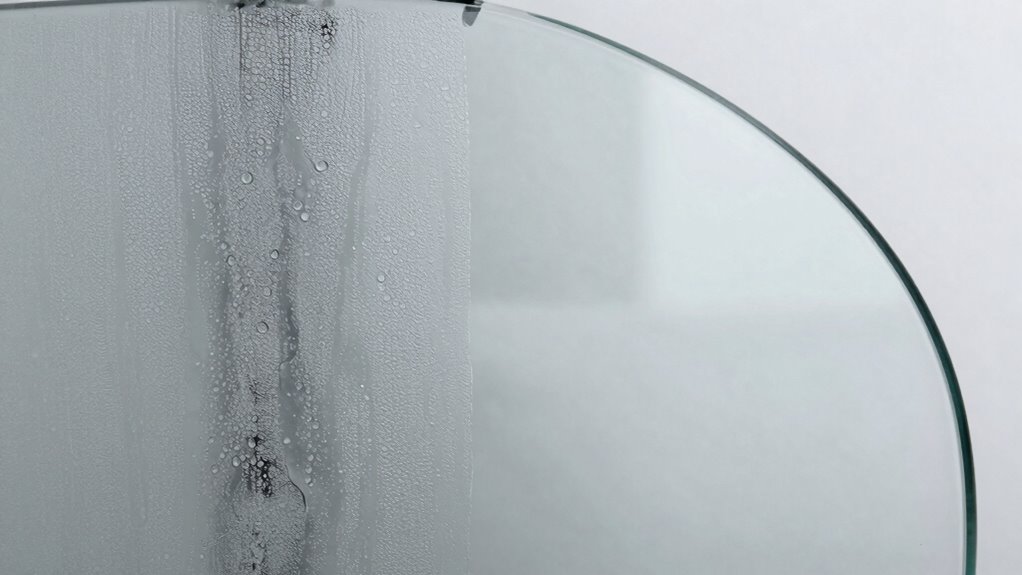
Have you ever struggled with foggy glasses or mirrors that hinder visibility? It’s frustrating to constantly wipe away moisture only to see fog return moments later. That’s where anti-fog coatings come into play, offering a smarter, more reliable solution. Unlike traditional methods that rely on wiping or applying temporary solutions, these coatings work on a fundamental level by altering surface chemistry. This approach guarantees clear visibility without the hassle of constant maintenance, making your day easier and safer.
The secret behind effective anti-fog coatings lies in their surface chemistry, particularly the use of hydrophilic properties. Hydrophilic surfaces attract water molecules, spreading moisture into a thin, uniform film rather than allowing droplets to form and scatter light. This creates an optically clear surface that resists fogging even in humid or temperature-variable environments. When you breathe on a mirror or wear glasses in a steamy kitchen, the coating’s hydrophilic nature ensures that moisture disperses evenly, preventing fog from building up. As a result, your view remains unobstructed, whether you’re applying makeup, reading a label, or driving in foggy conditions. Additionally, advancements in surface chemistry have led to more durable anti-fog coatings that maintain their effectiveness over time. Developing these coatings with enhanced chemical stability has become a key focus to ensure long-lasting performance. Surface durability is equally important in choosing an anti-fog coating. You want a solution that withstands everyday wear and tear—scratches, cleaning, and exposure to various environments—without losing its effectiveness. A durable coating maintains its hydrophilic properties over time, reducing the need for frequent reapplication. This longevity translates into better value and less frustration, especially if you rely on glasses or visors for work or leisure. Modern formulations also incorporate nanotechnology to improve surface durability and performance. The use of nanotechnology allows for the creation of ultra-thin coatings that are both highly effective and resistant to environmental damage. Anti-fog coatings with high surface durability resist peeling, cracking, or diminished performance, ensuring you stay clear and safe for longer periods.
As an affiliate, we earn on qualifying purchases.
Frequently Asked Questions
How Long Do Anti-Fog Coatings Typically Last?
Anti-fog coatings typically last between one to three months, depending on factors like usage and cleaning. You should expect a durability lifespan that gradually diminishes with wear and environmental exposure. To maintain fog resistance, you’ll need to perform coating renewal when you notice fogging returning. Proper cleaning and handling can extend the coating’s effectiveness, ensuring you get the most out of your anti-fog protection for as long as possible.
Are Anti-Fog Coatings Safe for Sensitive Skin?
An ounce of prevention is worth a pound of cure. Anti-fog coatings are generally safe for sensitive skin, but you should still check for skin irritation or allergy concerns before prolonged use. Some formulations may cause skin irritation if you have sensitive skin, so read labels carefully. If you experience redness or discomfort, stop using it and consult a dermatologist. Always opt for products designed with skin-friendly ingredients to minimize allergy concerns.
Can Anti-Fog Coatings Be Reapplied After Wear?
Yes, you can reapply anti-fog coatings after wear. Surface durability varies depending on the product, so check the manufacturer’s instructions for best results. Typically, cleaning the surface thoroughly and reapplying the coating with a compatible reapplication method restores its anti-fog properties. Regular maintenance guarantees the coating stays effective, especially if the surface experiences frequent wear or cleaning, helping you enjoy clear vision longer.
Do Anti-Fog Coatings Work in Extreme Temperatures?
You’ll find anti-fog coatings generally excel in moderate conditions, but their temperature resilience varies. Extreme heat or cold can challenge coating durability, causing it to crack or peel over time. While some advanced formulations are designed to withstand harsh environments, many struggle outside typical ranges. To guarantee long-lasting fog resistance in extreme temperatures, look for coatings specifically engineered for high or low thermal resistance, and remember that no coating is completely invincible under all conditions.
Are Anti-Fog Coatings Environmentally Friendly?
Yes, anti-fog coatings can be environmentally friendly. You’ll find eco-friendly formulations that use biodegradable options, reducing harmful impacts on the environment. These coatings are designed to be safe for you and the planet, often free from toxic chemicals and harsh solvents. By choosing products with biodegradable options, you support sustainability without sacrificing performance, making your anti-fog solutions both effective and environmentally conscious.
Conclusion
You now see how anti-fog coatings form an invisible shield, a microscopic dance of surface chemistry that keeps water droplets from gathering. Unlike wiping, which simply pushes fog aside, these coatings create a smooth, unwavering barrier that stays resilient under changing conditions. Picture your glasses or mirrors gleaming with clarity, as if they’re enchanted to resist fog’s sneaky grasp. Embrace the science behind it, and let your view remain crystal clear, no matter the weather’s whisper or shout.
Halloween Picks
halloween
As an affiliate, we earn on qualifying purchases.