Biodegradable elastomers are polymers designed to break down naturally through microbial activity, involving processes like hydrolysis and enzymatic reactions. Their chemical structures can be tailored to control how fast and under what conditions they degrade, making them eco-friendly alternatives to traditional elastomers. Using these materials helps reduce landfill waste and microplastic pollution while supporting sustainability. If you want to understand how their structures influence performance and environmental impact, exploring further will reveal more insights.
Key Takeaways
- Biodegradable elastomers are designed with specific chemical structures that enable microbial or enzymatic breakdown into non-toxic byproducts.
- Their chemistry allows tailored degradation rates, balancing durability for applications and environmental disintegration.
- These elastomers are used in medical, packaging, and agricultural sectors due to their eco-friendly and sustainable properties.
- The degradation process reduces long-term environmental impact, microplastic pollution, and landfill waste.
- Incorporating biodegradable elastomers supports greener manufacturing practices and aligns with global sustainability goals.
Biodegradable elastomers are innovative materials designed to combine flexibility with environmental sustainability. When you work with these materials, understanding their biodegradation mechanisms is essential. Biodegradation mechanisms involve the breakdown of polymers through natural processes like microbial activity, hydrolysis, or enzymatic reactions. These processes transform the elastomers into harmless byproducts such as water, carbon dioxide, and biomass, leaving little to no environmental residue. By tailoring the chemical structure of biodegradable elastomers, scientists can control how quickly they degrade and under what conditions, ensuring they meet specific application needs. This control is crucial because it directly affects the environmental impact of these materials. Unlike traditional elastomers, which can persist in ecosystems for decades, biodegradable variants reduce long-term pollution by decomposing after their useful life. This characteristic makes them particularly attractive for single-use products, medical devices, and packaging, where environmental considerations are increasingly critical.
As you explore the chemistry of biodegradable elastomers, you’ll find that their environmental impact is a key factor in their development. The goal is to create materials that not only perform well but also minimize ecological damage. When these elastomers break down through natural processes, they significantly reduce landfill waste and prevent microplastic pollution, which has become a global concern. The environmental impact is further mitigated because the degradation products are often non-toxic, unlike some traditional plastics that release harmful chemicals upon breakdown. Understanding these mechanisms allows you to design elastomers that degrade at predictable rates, ensuring that they fulfill their functional role before disintegrating. This balance between durability and biodegradability is vital for sustainable material development, especially in industries seeking eco-friendly alternatives.
Moreover, the environmental impact of biodegradable elastomers extends beyond their degradation process. Their production often involves renewable resources, reducing dependence on fossil fuels and lowering greenhouse gas emissions. When you choose such materials, you’re supporting a shift toward greener manufacturing practices. Additionally, the ability to engineer the chemical structure of these elastomers means you can optimize their properties for specific applications while maintaining eco-friendliness. By understanding biodegradation mechanisms and their influence on environmental impact, you can improve the sustainability of your material choices and designs. Overall, understanding biodegradation mechanisms and their influence on environmental impact helps you make informed decisions about material selection and design, ultimately contributing to a more sustainable future. By integrating these considerations into your work, you’ll help advance the development of biodegradable elastomers that not only meet performance standards but also prioritize planetary health.

AWF PRO 20 Gallon Universal Spill Kit, 59 Pieces – 20 gal DOT Approved Drum, Socks, Pads & Pillows, & Accessories
Spill Response: Includes absorbent pads, socks, pillows, and accessories designed to contain and clean up a wide range...
As an affiliate, we earn on qualifying purchases.
Frequently Asked Questions
How Do Biodegradable Elastomers Compare Cost-Wise to Traditional Elastomers?
You’ll find that biodegradable elastomers tend to have higher initial manufacturing expenses compared to traditional elastomers. The cost comparison shows that eco-friendly materials often require specialized production processes and raw materials, which can make them more expensive upfront. However, over time, the environmental benefits and potential regulatory incentives might offset these costs. So, while they are pricier at first, their overall value can be justified by sustainability and future savings.
What Are the Main Environmental Degradation Pathways for These Elastomers?
You should know that biodegradable elastomers primarily degrade through hydrolysis and microbial activity, which break down their polymer chains. These degradation mechanisms reduce environmental impact by transforming the elastomers into natural, non-toxic byproducts like water, carbon dioxide, and biomass. Understanding these pathways helps you assess their environmental footprint, ensuring they contribute less to pollution and waste accumulation compared to traditional elastomers.
Can Biodegradable Elastomers Be Recycled or Reused Effectively?
Think of biodegradable elastomers as a garden that blooms anew each season. You can recycle them through specialized recycling methods designed for polymers, but their reuse potential is limited due to their nature. While some components can be reclaimed, their primary design encourages degradation over reuse, making them less suitable for traditional recycling. Embracing their unique lifecycle helps you balance environmental benefits with practical handling.
How Do Processing Conditions Affect the Biodegradability of Elastomers?
Processing conditions directly impact the biodegradability of elastomers by influencing their structure and properties. When you optimize processing parameters like temperature, curing time, and mixing, it enhances the biodegradation rate. Poorly controlled conditions can create cross-links or residual chemicals that slow down breakdown. By carefully adjusting these parameters, you guarantee your elastomers break down more efficiently in natural environments, promoting sustainability and reducing environmental impact.
Are There Any Health Risks Associated With Biodegradable Elastomer Degradation Products?
You should be aware that biodegradable elastomer degradation products can pose toxicity concerns, especially if they contain harmful chemicals or leach into your body or environment. Regulatory considerations are vital, as authorities evaluate these risks before approval. While many elastomer products are designed to be safe, always check for any potential health risks associated with specific materials and follow proper disposal guidelines to minimize exposure and environmental impact.

PIG Chemical Cleanup Kit - for Small Laboratory Spills - 9.25" L x 4" W x 13" H - PM50002
CLEANUP KIT INCLUDES: 3 - 10" W x 13" L PIG HazMat Chemical Absorbent Pad, 1 - 3.5...
As an affiliate, we earn on qualifying purchases.
Conclusion
As you explore biodegradable elastomers, you’ll see they’re the heartbeat of sustainable innovation, blending chemistry and practicality seamlessly. Like a chameleon adapting to its environment, these materials transform industries while breaking down gracefully into the earth. Embracing their potential means you’re not just choosing a smart solution, but paving the way for a greener future where technology and nature dance in harmony. Keep pushing boundaries—your next breakthrough could be just around the corner.
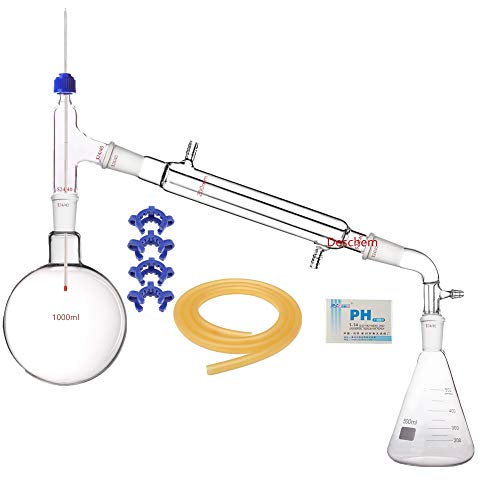
Deschem 1000ml 24/40 Glass Distillation Apparatus Vacuum Distill Kit w/500ml Erlenmeyer Flask
Be Made From G3.3 Borosilicate Glass
As an affiliate, we earn on qualifying purchases.
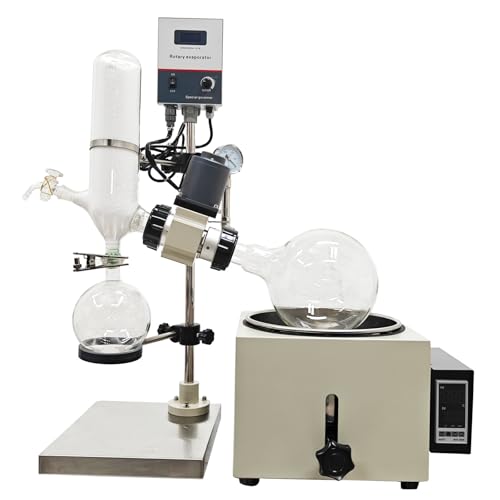
LGXEnzhuo 3L Rotary Evaporator with Digital Temp Control 0-120 RPM Vacuum Distillation System for Lab Chemical Research and Solvent Recovery – 110V
LCD Display for Real-Time Monitoring: Features an LCD screen that clearly shows rotation speed, enabling precise adjustments and...
As an affiliate, we earn on qualifying purchases.