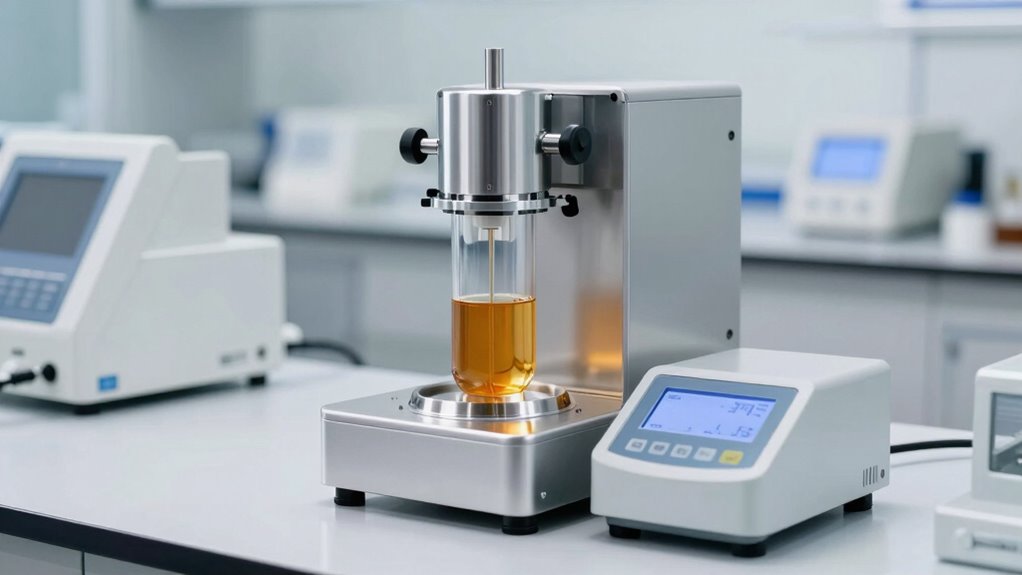

Melt flow indexers are a quick way for you to assess the flow properties of molten plastics, helping with quality control and rapid comparisons between resin batches. However, they only provide a partial picture of polymer behavior, missing details like molecular weight and morphology. Their accuracy depends heavily on proper calibration. To get a complete understanding, you need to take into account their limitations—more insights await if you keep exploring further.

Prime made for students and young adults
- Fast, free delivery for dorm and study essentials
- Prime Video and Amazon Music included
- Member-only deals
Key Takeaways
- Melt Flow Indexers provide a quick, simplified measure of a polymer’s flow properties but do not offer comprehensive material insights.
- They serve as a shortcut for rapid quality assessment but cannot replace detailed polymer characterization.
- Calibration accuracy is crucial; drift can limit measurement reliability and lead to misleading conclusions.
- Results depend on consistent sample preparation and standardized procedures for valid comparisons.
- They are limited in predicting performance under different processing conditions or analyzing molecular weight distribution.
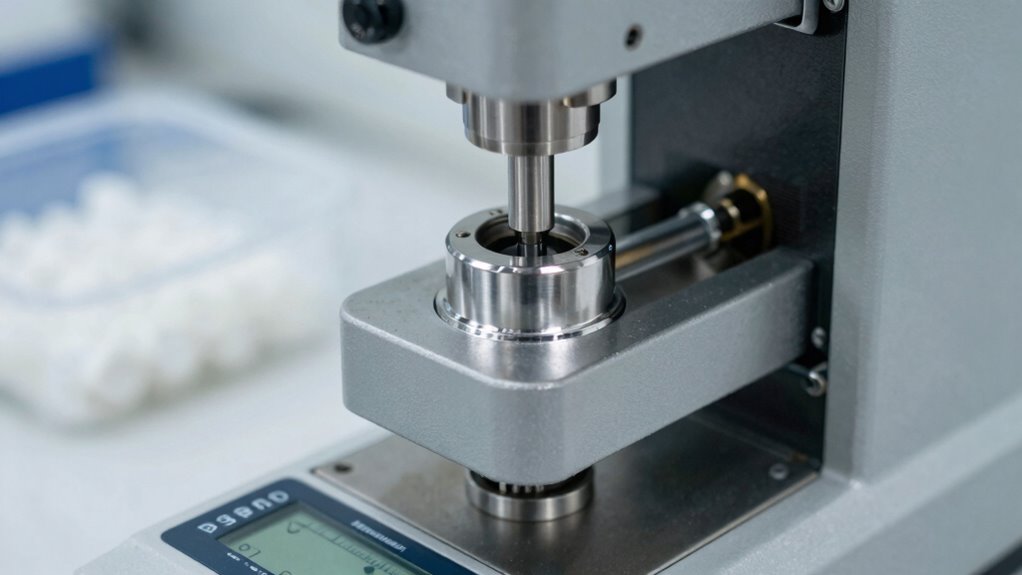
Have you ever wondered how manufacturers determine the flow properties of molten plastics? This process is crucial because it influences how plastics behave during processing and impacts the final product quality. Melt flow indexers are the go-to tools for this task, providing a quick way to measure a polymer’s flow rate. When you use a melt flow indexer, you’re essentially performing polymer characterization, which helps identify whether a particular resin meets the specifications needed for your application. But behind the convenience of these devices lies an important factor: equipment calibration. Regular calibration guarantees your measurements stay accurate and consistent over time. If your melt flow indexer isn’t properly calibrated, you risk obtaining misleading results, which could lead to processing issues or subpar products.
The appeal of melt flow indexers is their simplicity and speed. They serve as a shortcut to understanding a polymer’s flow behavior without resorting to more complex, time-consuming testing methods. You load a small amount of molten plastic into the device, heat it to the required temperature, and then note how much material flows through a standardized orifice over a set period. This straightforward procedure allows you to quickly compare different batches of resin or monitor changes in material properties during production. Because of their ease of use, melt flow indexers are often used in quality control labs, where rapid decisions are necessary. Additionally, understanding measurement accuracy and how it can be affected is essential for reliable results. Ensuring proper equipment calibration is also vital for maintaining the integrity of these measurements, especially in high-volume production environments. Proper sample preparation is equally important to ensure consistent and representative test results. Incorporating standardized testing procedures can further improve consistency across different tests and laboratories.
However, this shortcut has its limitations. While melt flow indexers provide valuable initial insights, they don’t capture the complete picture of a polymer’s behavior. For example, they don’t account for how the material might perform under different processing conditions or how it might behave in complex molding processes. Furthermore, the results are highly dependent on equipment calibration. If calibration drifts over time, the readings can become unreliable, leading you to make decisions based on inaccurate data. Maintaining rigorous calibration routines is essential to ensure that the measurements truly reflect the material’s flow properties.
In addition, melt flow index testing doesn’t consider factors like molecular weight distribution or polymer morphology, which are critical for understanding a polymer’s overall performance. So, while melt flow indexers are invaluable for quick assessments, they shouldn’t be your only tool for polymer characterization. For thorough analysis, combining melt flow index results with other tests provides a more accurate picture of your material’s capabilities. Ultimately, understanding the limitations of this shortcut and guaranteeing your equipment is properly calibrated keeps your quality control process reliable, helping you make informed decisions and produce consistent, high-quality plastics.
melt flow indexer calibration kit
As an affiliate, we earn on qualifying purchases.
As an affiliate, we earn on qualifying purchases.
Frequently Asked Questions
How Do Environmental Conditions Affect Melt Flow Index Measurements?
Environmental conditions substantially impact melt flow index measurements. During environmental testing, fluctuations in temperature stability can alter the polymer’s viscosity, leading to inconsistent results. You need to control temperature carefully because even minor changes affect flow rate readings. By maintaining stable environmental conditions, you guarantee accurate melt flow index measurements, reflecting the true flow characteristics of the material under real-world conditions.
What Are the Common Calibration Procedures for Melt Flow Indexers?
You calibrate melt flow indexers by regularly using calibration standards, adjusting the device to match known measurements, and verifying measurement accuracy. You guarantee consistency by performing calibration checks before each test, comparing results against certified standards, and documenting deviations. This process maintains precision, minimizes errors, and guarantees reliable data, which is essential for quality control and material characterization in plastics processing.
Can Melt Flow Indexers Test Recycled or Contaminated Plastics?
Yes, melt flow indexers can test recycled or contaminated plastics. They help you address recycling challenges by measuring how recycled or contaminated materials flow, which indicates their processability. While they may not detect contamination directly, variations in melt flow rate can highlight issues caused by contamination. This makes melt flow indexers valuable for quality control, ensuring recycled plastics meet required standards despite challenges like contamination detection.
How Does the Melt Flow Index Relate to Mechanical Properties?
You might think the melt flow index solely indicates flowability, but it also links to mechanical properties through material consistency. A higher melt flow suggests softer, less viscous plastics, while a lower one indicates stronger, more rigid materials. Understanding this relation helps in process optimization, ensuring your product meets strength and durability standards. Keep in mind, though, that it’s just one piece of the puzzle, and other testing methods should complement it.
What Maintenance Is Required to Ensure Consistent Results?
To guarantee consistent results, you need to follow proper maintenance routines. Stick to your lubrication schedules to keep parts moving smoothly, preventing wear and inaccuracies. Regular calibration is vital; you should calibrate your melt flow indexer according to the manufacturer’s recommended frequency to maintain measurement precision. Additionally, keep the equipment clean and check for any signs of damage, addressing issues promptly to ensure reliable, repeatable testing outcomes.
Conclusion
While melt flow indexers offer a quick glimpse into your material’s behavior, they’re like a shortcut that might skip some details. Think of them as a helpful nudge rather than the full story — giving you a general idea, but not the entire picture. To truly understand your material, consider digging a little deeper beyond the index. Embrace the balance between speed and thoroughness, and your insights will be all the more valuable.
Fall Picks
fall essentials
As an affiliate, we earn on qualifying purchases.