

The best science reference books for students turn difficult ideas into information that is quick to find, age-appropriate, and useful beyond one assignment. My best overall pick is Knowledge Encyclopedia Science! 2nd Edition because its visual explanations and wide subject coverage suit the largest range of students. Science Essentials: Science Made Easy Boxed Set offers stronger value for families wanting several focused books, while The Complete Human Body is the richer premium choice for anatomy. The main tradeoffs are breadth versus subject depth, visual learning versus rapid fact lookup, and durable print formats versus information that may age. My full breakdown shows which option fits each student, subject, and study habit.
Key Takeaways
- Knowledge Encyclopedia Science! 2nd Edition takes the top spot because it balances broad coverage, visual clarity, and repeat-use appeal better than the narrower guides.
- Science Essentials: Science Made Easy Boxed Set offers the strongest value when several subjects are needed, though six separate books are less convenient than one encyclopedia.
- The Complete Human Body provides the lineup’s richest anatomy experience, but its specialist focus makes it a companion rather than a student‘s only science reference.
- QuickStudy laminated guides are strongest for revision and desk-side lookup; they sacrifice explanation, examples, and conceptual flow for speed and portability.
- The two student atlases support Earth, climate, and environmental studies, yet neither replaces a general science book; National Geographic is the more engaging visual choice.
| Science Fundamentals 1 – Life Science – Cells, Plants & Animals: for Middle School – a QuickStudy Laminated Reference & Study Guide | 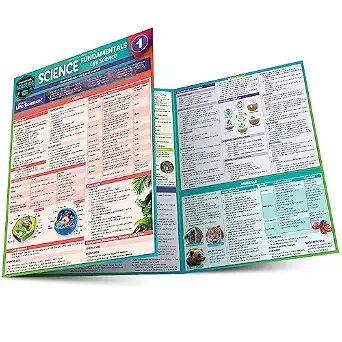 | Best Quick Life Science Review | Resource type: Reference and study guide | Format: Laminated guide | Subject: Life science | VIEW LATEST PRICE | See Our Full Breakdown |
| The Complete Human Body: The Definitive Visual Guide |  | Best Visual Anatomy Reference | Resource type: Visual reference guide | Primary subject: Human biology | Coverage: Human anatomy and body functions | VIEW LATEST PRICE | See Our Full Breakdown |
| Earth Science: A QuickStudy Laminated Reference Guide |  | Best Portable Earth Science Guide | Resource type: Quick-reference guide | Format: Laminated guide | Primary subject: Earth science | VIEW LATEST PRICE | See Our Full Breakdown |
| Everything You Need to Know About Science Homework: A Desk Reference for Students and Parents |  | Best Homework Companion for Families | Resource type: Desk reference | Primary subject: General science | Intended users: Students and parents | VIEW LATEST PRICE | See Our Full Breakdown |
| National Geographic Student World Atlas, 6th Edition |  | Best for Global Geography | Resource type: Student world atlas | Edition: 6th edition | Primary subject: World geography | VIEW LATEST PRICE | See Our Full Breakdown |
| Knowledge Encyclopedia Science! 2nd Edition |  | Best Visual Science Overview | Edition: 2nd Edition | Resource type: Science encyclopedia | Subject scope: Multiple scientific fields | VIEW LATEST PRICE | See Our Full Breakdown |
| A Student’s Guide to Natural Science |  | Best Natural Science Foundation | Resource type: Student reference guide | Primary subject: Natural science | Subject coverage: Multiple natural-science disciplines | VIEW LATEST PRICE | See Our Full Breakdown |
| Science Fundamentals 4 – Earth & Space: for Middle School – A QuickStudy Laminated Reference & Study Guide |  | Best Earth and Space Quick Reference | Series: Science Fundamentals | Series number: 4 | Format: Laminated reference and study guide | VIEW LATEST PRICE | See Our Full Breakdown |
| Science Fundamentals 3 – Physical Science: for Middle School – A QuickStudy Laminated Reference & Study Guide |  | Best Physical Science Study Sheet | Series: Science Fundamentals | Series number: 3 | Format: Laminated reference and study guide | VIEW LATEST PRICE | See Our Full Breakdown |
| Student World Atlas, 9th Edition |  | Best Geography Companion | Edition: 9th Edition | Resource type: Student world atlas | Primary subject: World geography | VIEW LATEST PRICE | See Our Full Breakdown |
| Biology: A QuickStudy Laminated Reference Guide | 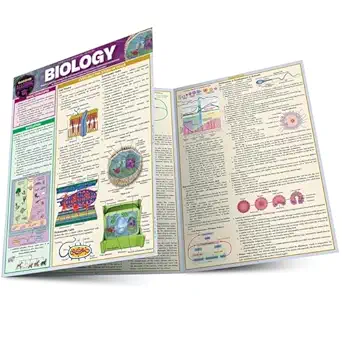 | Best Portable Biology Reference | Format: Laminated reference guide | Subject: Biology | Coverage: Fundamental biology concepts | VIEW LATEST PRICE | See Our Full Breakdown |
| Science Essentials: Science Made Easy Boxed Set (6 Books) |  | Best for Young Learners | Format: Boxed book set | Book count: 6 books | Subject area: General science | VIEW LATEST PRICE | See Our Full Breakdown |
| Teach Yourself Instant Reference Science |  | Best General Science Snapshot | Format: Single-volume reference guide | Subject area: General science | Coverage: Fundamental scientific concepts | VIEW LATEST PRICE | See Our Full Breakdown |
| Biology: A Reference Guide |  | Best Biology Desk Reference | Format: Print reference guide | Subject: Biology | Coverage: Fundamental biology concepts and terminology | VIEW LATEST PRICE | See Our Full Breakdown |
| science reference books for student | Resource type | Format | Primary subject |
|---|---|---|---|
| Science Fundamentals 1 | Reference and study guide | Laminated guide | — |
| The Complete Human Body: The D | Visual reference guide | — | Human biology |
| Earth Science: A QuickStudy La | Quick-reference guide | Laminated guide | Earth science |
| Everything You Need to Know Ab | Desk reference | — | General science |
| National Geographic Student Wo | Student world atlas | — | World geography |
| Knowledge Encyclopedia Science | Science encyclopedia | — | — |
| A Student’s Guide to Natural S | Student reference guide | — | Natural science |
| Science Fundamentals 4 | — | Laminated reference and study guide | Earth and space science |
| Science Fundamentals 3 | — | Laminated reference and study guide | Physical science |
| Student World Atlas | Student world atlas | — | World geography |
| Biology: A QuickStudy Laminate | — | Laminated reference guide | — |
| Science Essentials: Science Ma | — | Boxed book set | — |
| Teach Yourself Instant Referen | — | Single-volume reference guide | — |
| Biology: A Reference Guide | — | Print reference guide | — |
More Details on Our Top Picks
Science Fundamentals 1 – Life Science – Cells, Plants & Animals: for Middle School – a QuickStudy Laminated Reference & Study Guide
I rank Science Fundamentals 1 – Life Science as the strongest rapid-review pick for middle school biology because it narrows its attention to cells, plants, and animals. Its laminated, scan-friendly format supports quick checks during homework or pre-test review without asking students to search through a full textbook. Unlike The Complete Human Body: The Definitive Visual Guide, it favors short summaries over detailed illustrations and extended explanations, making it faster but much less useful for anatomy projects. That narrow scope is also its main weakness: advanced students may outgrow the material, and learners who need worked examples or multimedia support will need another resource. I would choose it for frequent classroom reference, while students seeking broader biological depth should choose a full-length guide.
Pros:- Laminated construction withstands frequent school and backpack use
- Focused coverage makes core life science facts quick to locate
- Language and scope are tailored to middle school study
- Useful for homework checks and test review
Cons:- Too little depth for advanced biology assignments
- Covers a narrower subject range than a full science reference book
- No multimedia or interactive learning resources are listed
Best for: Middle school students who need a durable, fast-reference aid for cells, plant biology, and animal biology
Not ideal for: Advanced biology students who need detailed explanations, extensive anatomy coverage, or multimedia instruction
- Resource type:Reference and study guide
- Format:Laminated guide
- Subject:Life science
- Core topics:Cells, plants, and animals
- Grade level:Middle school
- Study style:Quick-reference review
- Supplementary media:None listed
Our verdict“This is the right pick for middle schoolers who value quick life science recall more than detailed instruction.”
The Complete Human Body: The Definitive Visual Guide
I place The Complete Human Body first for students who learn anatomy through images rather than condensed definitions. Its detailed visual explanations connect body structures with their functions, giving research assignments and biology lessons more context than a compact study sheet can provide. Compared with Science Fundamentals 1 – Life Science, this book offers richer human-biology coverage but sacrifices portability and rapid scanning. The density can also be excessive for younger students who only need basic organ names or a short homework answer. Since its focus is the human body, it cannot serve as a single reference for chemistry, physics, plants, or Earth science. I see it as a subject specialist: excellent for anatomy-focused study, yet less practical for students seeking one lightweight guide across several science classes.
Pros:- Detailed illustrations make anatomical relationships easier to grasp
- Connects body structures with biological functions
- Provides greater anatomy depth than condensed student guides
- Useful for both independent study and classroom reference
Cons:- Information density may overwhelm younger students
- Human anatomy focus leaves other science subjects uncovered
- Slower to scan than a laminated quick-reference guide
Best for: Secondary students, anatomy learners, and educators who want visual explanations of human structures and body functions
Not ideal for: Younger or casual readers who need brief definitions across several branches of science
- Resource type:Visual reference guide
- Primary subject:Human biology
- Coverage:Human anatomy and body functions
- Presentation:Detailed visual explanations
- Intended readers:Students, educators, and general biology readers
- Reference depth:Detailed
- Primary use:Anatomy study and research
Our verdict“Choose this for visually rich anatomy study, but pair it with another book if the student needs broader science coverage.”
Earth Science: A QuickStudy Laminated Reference Guide
I chose Earth Science: A QuickStudy Laminated Reference Guide for students who need broad Earth science facts within easy reach. The portable laminated design works well beside a workbook, during tutoring, or inside a crowded school bag, and its concise organization reduces the time spent hunting for basic concepts. Compared with Science Fundamentals 4 – Earth & Space, which is framed specifically for middle school study, this guide has no stated grade level and may suit a wider audience that already understands the basics. It also differs from National Geographic Student World Atlas, 6th Edition by emphasizing science concepts rather than map-based geographic context. Brevity is the compromise: students will not get extended explanations, worked problems, or the depth needed for major projects. I rank it as a supplement, not a textbook replacement.
Pros:- Portable format is easy to keep beside schoolwork
- Lamination protects the guide during frequent handling
- Concise coverage supports fast fact retrieval
- Broader audience potential because no single grade level is specified
Cons:- Short explanations provide limited conceptual depth
- Cannot replace a textbook or structured course resource
- No exercises or multimedia support are listed
Best for: Students who already know basic Earth science and want a durable reference for quick homework or test-review checks
Not ideal for: Learners who need step-by-step teaching, worked problems, or enough depth for research projects
- Resource type:Quick-reference guide
- Format:Laminated guide
- Primary subject:Earth science
- Coverage style:Concise overview
- Portability:Designed for portable reference
- Grade level:Not specified
- Supplementary media:None listed
Our verdict“This is a handy Earth science refresher for independent students, not a stand-alone teaching resource.”
Everything You Need to Know About Science Homework: A Desk Reference for Students and Parents
I rank Everything You Need to Know About Science Homework as the most family-oriented choice because it supports both the student completing an assignment and the parent helping from the sidelines. Its desk-reference approach combines science information with homework guidance, a broader task-focused role than Science Fundamentals 1 – Life Science, which concentrates on a defined middle school biology unit. That flexibility makes this book useful when assignments cross subjects or when adults need a quick explanation before offering help. The supplied product information does not define its chapter coverage or grade range, though, so matching it to a particular curriculum is less predictable. It also cannot offer the speed or durability of a laminated sheet. I would pick it for shared study sessions, while independent students seeking detailed subject mastery should favor a focused reference.
Pros:- Designed for use by both students and parents
- Connects science concepts with practical homework guidance
- Desk-reference format supports repeated home study
- Broad approach can assist with assignments across multiple topics
Cons:- Supplied information does not identify a grade range
- Topic and chapter coverage are not clearly defined
- Offers less specialized depth than a subject-focused reference
Best for: Students who regularly complete science homework with help from a parent or home educator
Not ideal for: Independent advanced students who need clearly defined, subject-specific depth aligned with a higher-level course
- Resource type:Desk reference
- Primary subject:General science
- Intended users:Students and parents
- Primary purpose:Science homework support
- Content approach:Science concepts and homework strategies
- Grade level:Not specified
- Topic breakdown:Not specified in supplied product data
Our verdict“Choose this when science homework is a shared family task and broad guidance matters more than specialist depth.”
National Geographic Student World Atlas, 6th Edition
I selected the National Geographic Student World Atlas, 6th Edition for students who need geographic context alongside Earth and environmental science. Its world maps and educational content help readers connect climate, landforms, nations, and regions to actual locations, an outcome a text-heavy reference cannot match as directly. Compared with Earth Science: A QuickStudy Laminated Reference Guide, the atlas is stronger for spatial relationships but weaker for concise explanations of scientific processes. Its position below the Student World Atlas, 9th Edition reflects the clear edition gap: buyers seeking the newer option should start there, especially for assignments involving changing borders or current place data. The absence of listed digital features also limits interactive exploration. I would choose this edition when map literacy is the priority and print-based study fits the classroom.
Pros:- Global maps build spatial understanding
- Student-focused educational content supports classroom learning
- Updated cartography improves geographic clarity within this edition
- Useful companion for geography and Earth science assignments
Cons:- Sixth edition is older than the ninth-edition alternative in the lineup
- Provides less process-based science instruction than an Earth science guide
- No digital or interactive components are listed
Best for: Students studying geography, Earth systems, climate, or global regions who benefit from map-based learning
Not ideal for: Buyers who need the newest atlas edition, interactive maps, or detailed explanations of scientific processes
- Resource type:Student world atlas
- Edition:6th edition
- Primary subject:World geography
- Geographic scope:Global
- Cartography:Updated for this edition
- Intended audience:Students
- Digital features:None listed
Our verdict“Pick this atlas for print-based map literacy, but choose the ninth edition when currency matters most.”
Knowledge Encyclopedia Science! 2nd Edition
I rank Knowledge Encyclopedia Science! 2nd Edition highest here for students who want a broad, inviting route into multiple branches of science. Its visual explanations make unfamiliar ideas easier to grasp, while the wide subject range supports browsing, homework research, and curiosity beyond a single course. Compared with A Student’s Guide to Natural Science, this encyclopedia is more visually driven and accessible across age groups, but it offers less of a structured introduction to natural-science disciplines. It also provides much more explanation than the QuickStudy Earth and Space guide, though it is slower to scan before a test. I would choose it as a household or school-library reference, not as the sole source for advanced coursework. No supplementary materials are included, and technical depth is limited.
Pros:- Wide coverage across multiple scientific fields
- Strong visual presentation supports concept recognition
- Accessible to students across a broad age range
- Useful for browsing and general homework research
Cons:- Technical treatment is too limited for advanced study
- Broad scope leaves less room for detailed treatment of individual subjects
- No supplementary materials or practice resources are included
Best for: I recommend it for visual learners, mixed-age households, and school libraries needing one broad science reference.
Not ideal for: I would skip it for advanced secondary or college students who need technical detail, exercises, or course-specific depth.
- Edition:2nd Edition
- Resource type:Science encyclopedia
- Subject scope:Multiple scientific fields
- Intended audience:Learners of all ages
- Presentation:Visuals with detailed explanations
- Learning purpose:General understanding and curiosity
- Supplementary materials:None included
Our verdict“I would choose this as the strongest broad visual reference for students who value accessibility over advanced depth.”
A Student’s Guide to Natural Science
I place A Student’s Guide to Natural Science behind the visual encyclopedia but ahead of narrower study sheets for students seeking a more focused introduction to natural-science disciplines. Its strength is structured subject orientation: beginners can see how major concepts and fields relate rather than meeting isolated facts. Compared with Knowledge Encyclopedia Science! 2nd Edition, it appears less visually engaging and covers a narrower academic frame, yet that focus may make it easier to follow as an introductory companion. It also supplies more conceptual context than Science Fundamentals 3 – Physical Science, which favors rapid review. I would not select it for an advanced learner who needs detailed treatment or current publication information. Missing edition details also make its currency harder to judge before purchase.
Pros:- Introduces multiple natural-science disciplines in one resource
- Helps beginners understand relationships between subject areas
- Better suited to sustained reading than a condensed study sheet
- Useful as a foundation before subject-specific study
Cons:- Content lacks the depth required by advanced learners
- Edition and publication details are not supplied
- Less visually oriented than the Knowledge Encyclopedia
Best for: I recommend it for secondary students and adult beginners who want an organized introduction to natural-science fields.
Not ideal for: I would skip it for advanced students who need specialized depth or buyers who require clearly documented edition and publication information.
- Resource type:Student reference guide
- Primary subject:Natural science
- Subject coverage:Multiple natural-science disciplines
- Intended audience:Students and beginners
- Learning level:Introductory
- Learning purpose:Overview of key concepts and topics
- Edition:Not specified in supplied product data
- Publication details:Not specified in supplied product data
Our verdict“I would pick this for a beginner who wants an organized natural-science foundation rather than a visual encyclopedia or exam crib sheet.”
Science Fundamentals 4 – Earth & Space: for Middle School – A QuickStudy Laminated Reference & Study Guide
I recommend Science Fundamentals 4 – Earth & Space for middle school students who need facts within reach during homework or pre-test review. The laminated quick-reference format resists routine classroom wear and makes core material faster to locate than it would be in Knowledge Encyclopedia Science! 2nd Edition. That speed comes at the cost of explanation: the encyclopedia is better for learning why a scientific process works, while this guide is designed to prompt recall after instruction. Compared with Science Fundamentals 3 – Physical Science, it serves the same study habit but covers Earth and space rather than matter and other physical-science concepts. I rank it as a specialist aid, not a stand-alone textbook. Its narrow subject range and limited depth mean many students will still need class notes or another reference.
Pros:- Laminated construction suits repeated school use
- Condensed layout supports fast fact retrieval
- Content is aimed specifically at middle school learners
- Focused coverage matches Earth and space units
Cons:- Explanations are too brief for learning difficult concepts from scratch
- Coverage is restricted to Earth and space science
- Advanced concepts fall outside its stated middle school scope
Best for: I recommend it for middle school students reviewing Earth and space units who want a durable desk or backpack reference.
Not ideal for: I would skip it for students needing detailed explanations, advanced Earth science, or coverage beyond Earth and space.
- Series:Science Fundamentals
- Series number:4
- Format:Laminated reference and study guide
- Primary subject:Earth and space science
- Grade band:Middle school
- Content style:Concise quick-reference information
- Learning purpose:Review and study support
- Advanced coverage:Limited
Our verdict“I would buy this as a durable Earth and space review aid for a middle schooler who already has fuller instructional material.”
Science Fundamentals 3 – Physical Science: for Middle School – A QuickStudy Laminated Reference & Study Guide
I would choose Science Fundamentals 3 – Physical Science for middle school students who understand the lesson but need a compact prompt for review. Its focused physical-science coverage is easier to scan than A Student’s Guide to Natural Science, which provides a broader introduction across disciplines. Compared with Science Fundamentals 4 – Earth & Space, the deciding factor is simply the course unit: this guide fits physical science, while the other supports Earth and space topics. The laminated construction makes sense for frequent desk, locker, or backpack use, but the compressed format leaves little room for reasoning through difficult ideas. I also see the lack of practice questions as a meaningful weakness because recall is not the same as applying a concept. It works best beside a textbook, not in place of one.
Pros:- Condenses key physical-science concepts for rapid review
- Laminated format withstands repeated handling
- Scope aligns with middle school physical science
- Easy to keep available during homework
Cons:- Limited explanations make independent learning difficult
- No practice questions are included
- Students need another resource for deeper understanding
Best for: I recommend it for middle school physical-science students who want a reusable reference beside their textbook and class notes.
Not ideal for: I would skip it for independent learners who need worked explanations, practice questions, or high-school-level depth.
- Series:Science Fundamentals
- Series number:3
- Format:Laminated reference and study guide
- Primary subject:Physical science
- Grade band:Middle school
- Content style:Concise overview of key concepts
- Practice questions:None included
- Learning purpose:Quick reference and study support
Our verdict“I would select this for quick physical-science recall, provided the student already has a textbook or teacher-led instruction.”
Student World Atlas, 9th Edition
I include the Student World Atlas, 9th Edition as a supporting science reference rather than a general science book. Its detailed global maps help students connect Earth science, climate, environments, and human geography with real locations—an outcome a text-heavy guide cannot match. Compared with Science Fundamentals 4 – Earth & Space, the atlas offers richer geographic context but less direct explanation of scientific principles. It also competes closely with National Geographic Student World Atlas, 6th Edition; this ninth edition has the advantage of a later stated edition number, though the supplied data does not identify interactive features or map-specific extras that would settle the choice. I rank it below broad science references because its remit is geography, yet it remains a useful cross-subject companion. Students wanting digital exploration should skip it because no interactive element is listed.
Pros:- Detailed maps support geographic and Earth-science learning
- Global scope helps students compare regions
- Student-oriented reference design suits school research
- Ninth-edition designation indicates a later iteration than the sixth-edition National Geographic alternative
Cons:- Geography focus limits its value for other science subjects
- No digital or interactive elements are listed
- Supplied product data does not identify special map features
Best for: I recommend it for students studying geography, Earth science, climate, or global regions who need detailed printed maps.
Not ideal for: I would skip it for buyers seeking a broad science encyclopedia or students who prefer searchable, interactive mapping tools.
- Edition:9th Edition
- Resource type:Student world atlas
- Primary subject:World geography
- Geographic scope:Global
- Map detail:Detailed
- Intended audience:Students
- Reference content:Maps and geographic information
- Digital elements:None listed
Our verdict“I would choose this as a print geography companion for Earth-focused study, not as a student’s main science reference.”
Biology: A QuickStudy Laminated Reference Guide
I rank Biology: A QuickStudy Laminated Reference Guide as the best portable choice because its laminated, compact format supports fast fact-checking between classes or during homework. Compared with Biology: A Reference Guide, it is easier to carry and quicker to scan, but it gives up explanatory depth and broader context. The focused biology coverage makes more sense for students reviewing terminology and foundational concepts than for readers seeking a full teaching resource. I also favor it over Teach Yourself Instant Reference Science when biology is the only subject that matters, since the narrower scope reduces unrelated material. Its main limitation is the summary-first approach: students who do not already understand a topic may need a textbook or teacher explanation before the condensed information becomes useful.
Pros:- Compact format supports quick reference at a desk or between classes
- Lamination protects the guide from frequent handling and spills
- Focused coverage keeps core biology material easy to locate
- More portable than a conventional biology reference book
Cons:- Condensed coverage cannot explain difficult biological processes in depth
- Narrow subject scope excludes chemistry, physics, and earth science
- Works better as a memory aid than as a stand-alone teaching resource
Best for: Middle school, high school, and introductory college students who want a durable biology prompt sheet for classwork and revision
Not ideal for: Students learning biology from scratch or preparing for advanced coursework, because the condensed format provides little explanation
- Format:Laminated reference guide
- Subject:Biology
- Coverage:Fundamental biology concepts
- Reference style:Concise quick-study overview
- Construction:Laminated for repeated handling
- Intended users:Students and educators
- Primary use:Rapid review and fact lookup
Our verdict“I recommend this guide to students who already know the basics and want a durable biology refresher they can carry easily.”
Science Essentials: Science Made Easy Boxed Set (6 Books)
I place Science Essentials: Science Made Easy Boxed Set first for younger readers because its six-book illustrated format breaks science into friendlier portions than a dense single-volume reference. Compared with Teach Yourself Instant Reference Science, this set puts accessibility and visual interest ahead of rapid adult-style lookup. It also offers wider subject exposure than Biology: A QuickStudy Laminated Reference Guide, which stays within one discipline. That range can help a child discover preferred topics without facing an oversized encyclopedia. The compromise is weaker purchasing clarity: the supplied product information does not identify the exact contents of each volume, and the absence of customer ratings leaves durability and reading-level fit uncertain. I see it as an inviting starting library, not the strongest choice for assignments requiring precise definitions or detailed explanations.
Pros:- Six separate books divide science into manageable reading sessions
- Illustrations can make unfamiliar ideas easier for children to approach
- Broad format supports exploration across multiple science topics
- Simplified explanations suit readers moving beyond basic picture books
Cons:- Available product data does not identify the topic of every volume
- Simplified treatment may be too shallow for secondary-school assignments
- Lack of customer feedback makes reading-level and production-quality judgments harder
Best for: Parents and educators choosing an illustrated first science reference set for curious younger readers
Not ideal for: Older students who need citation-ready definitions, detailed subject coverage, or a clearly documented syllabus match
- Format:Boxed book set
- Book count:6 books
- Subject area:General science
- Presentation:Illustrated
- Explanation style:Simplified concepts
- Intended audience:Kids and young learners
- Primary use:Introductory science learning
Our verdict“I would choose this set for a young reader who needs an appealing introduction, but not for a student seeking a rigorous desk reference.”
Teach Yourself Instant Reference Science
I rank Teach Yourself Instant Reference Science as the strongest general-science snapshot for students who want multiple disciplines in one concise guide. Biology: A QuickStudy Laminated Reference Guide is more convenient for biology-only revision, while this book is better suited to readers who routinely move among foundational scientific topics. Compared with Science Essentials: Science Made Easy Boxed Set, it offers a more unified lookup experience and avoids searching across six separate volumes, though it is less visually oriented for younger readers. The broad scope is also its weakness: fitting many principles into a short reference leaves limited room for worked explanations or subject-level depth. Missing edition and publication-date details create another concern for buyers who need alignment with a current course. I view it as a cross-subject refresher, not a replacement for dedicated textbooks.
Pros:- Combines foundational material from multiple science areas
- Concise structure supports fast cross-subject lookup
- Single-volume format is simpler to manage than a multi-book set
- Plain presentation suits students seeking a refresher rather than a narrative lesson
Cons:- Broad coverage limits the depth available for each discipline
- Difficult concepts receive little extended explanation
- Unspecified edition and publication date make currency hard to judge
Best for: Secondary students and adult learners who need one concise volume for checking foundational ideas across several science subjects
Not ideal for: Students who need current curriculum alignment, worked examples, or sustained coverage of one scientific discipline
- Format:Single-volume reference guide
- Subject area:General science
- Coverage:Fundamental scientific concepts
- Reference style:Concise overview
- Intended users:Students and science enthusiasts
- Primary use:Cross-subject review and lookup
- Edition information:Not specified in supplied data
Our verdict“I recommend this book as a compact general-science memory aid for students who value breadth more than detailed instruction.”
Biology: A Reference Guide
I give Biology: A Reference Guide the desk-reference role because it provides broader biology coverage and organized terminology for students who need more than a portable prompt sheet. Against Biology: A QuickStudy Laminated Reference Guide, this option favors topic range and sustained lookup over pocketable convenience; the QuickStudy title remains better for last-minute revision. It also differs from Teach Yourself Instant Reference Science by staying focused on biology rather than distributing limited space across several disciplines. That focus makes it more useful beside a biology textbook or lesson plan, particularly when a student needs to revisit terms across multiple units. Still, some areas receive limited explanation, so difficult processes may require another source. The lack of digital or online material also makes this a traditional print-only choice for buyers comfortable without interactive support.
Pros:- Broad biology scope supports reference across multiple units
- Organized layout helps students locate concepts and terminology
- Narrow disciplinary focus gives biology more room than a general-science guide
- Useful as a companion for both student work and lesson preparation
Cons:- Some topics lack enough explanation for independent learning
- Print-only format provides no online resources or interactive practice
- Less convenient to use as a rapid portable prompt sheet than the laminated QuickStudy guide
Best for: High school students, introductory biology learners, and educators who want an organized print reference beside a main textbook
Not ideal for: Students who prioritize portability, interactive exercises, online updates, or detailed teaching of complex biological processes
- Format:Print reference guide
- Subject:Biology
- Coverage:Fundamental biology concepts and terminology
- Organization:Clear topic-based layout
- Intended users:Students, educators, and science enthusiasts
- Primary use:Desk reference and learning support
- Digital resources:None included
Our verdict“I would pick this for a student who wants a broad biology companion at a desk and does not need digital study tools.”

How We Picked
I ranked these books by curriculum usefulness, clarity for the intended age, breadth, subject depth, and how quickly a student can retrieve an answer. I also weighed diagrams, indexing, page design, physical durability, portability, and whether the format supports both homework and independent exploration. A book earned more credit when it explains relationships rather than presenting disconnected facts. Since several titles have older editions, I treated information longevity as part of the evaluation, especially for maps, classifications, and changing scientific data.
Knowledge Encyclopedia Science! 2nd Edition leads because it serves the widest range of everyday needs without becoming visually dense. The Science Essentials set follows as the value-led alternative, while The Complete Human Body ranks as a premium specialist rather than an all-purpose winner. I placed concise QuickStudy titles higher for targeted revision than for concept building, and I treated the atlases as supporting references. Books such as A Student’s Guide to Natural Science and Teach Yourself Instant Reference Science fill narrower roles, so their lower placement reflects limited fit for the core search rather than a lack of merit.
| science reference books for student | Format |
|---|---|
| Science Fundamentals 1 | Laminated guide |
| The Complete Human Body: The D | — |
| Earth Science: A QuickStudy La | Laminated guide |
| Everything You Need to Know Ab | — |
| National Geographic Student Wo | — |
| Knowledge Encyclopedia Science | — |
| A Student’s Guide to Natural S | — |
| Science Fundamentals 4 | Laminated reference and study guide |
| Science Fundamentals 3 | Laminated reference and study guide |
| Student World Atlas | — |
| Biology: A QuickStudy Laminate | Laminated reference guide |
| Science Essentials: Science Ma | Boxed book set |
| Teach Yourself Instant Referen | Single-volume reference guide |
| Biology: A Reference Guide | Print reference guide |
Factors to Consider When Choosing Science Reference Books For Students
I would choose a student science reference by matching its scope, reading level, and retrieval style to the work it must support. The most attractive book is not automatically the most useful one: a visual encyclopedia, revision sheet, atlas, and subject guide solve different problems. These five factors help separate a dependable primary reference from a useful companion.
Match the Scope to the Student’s Actual Work
A broad science encyclopedia works well when assignments regularly move among biology, chemistry, physics, Earth science, and space. I would begin by mapping the student’s current subjects and the topics expected over the next two school years. A middle-school learner may gain more from one approachable overview than from an advanced biology reference filled with unfamiliar terminology. A single-subject guide becomes the better purchase when one class, examination, or recurring difficulty drives the need. A common buying mistake is choosing the largest book even though the student only needs fast support in physical science or anatomy. For a household with several learners, multi-topic coverage usually produces more repeat use.
Choose Between Visual Explanation and Fast Lookup
Illustrations do more than decorate a page when they reveal scale, structure, sequence, or cause and effect. I favor diagram-rich books for anatomy, cell biology, astronomy, and geology because spatial relationships can be difficult to learn from short definitions. Dense visual pages can slow down a student who only needs a formula or vocabulary reminder, which is where laminated reference sheets have an advantage. Check whether headings, labels, captions, and indexes make a fact easy to retrieve without reading an entire spread. Students who avoid long passages often respond better to short blocks paired with diagrams, while confident readers may prefer fuller explanations. The best format matches how the student searches, not merely how polished the cover appears.
Set the Reading Level by Explanation, Not Branding
Labels such as student, beginner, or middle school do not reveal how much prior knowledge a book assumes. I would inspect sample pages for sentence length, unexplained vocabulary, diagram complexity, and the number of ideas introduced at once. A useful beginner reference defines a term, shows it in a meaningful example, and connects it to a larger concept. Books aimed too low may help with immediate homework but offer little room for growth, while advanced references can turn every lookup into another chain of lookups. Parents buying ahead should seek layered pages that allow quick reading now and closer study later. This gives the book a longer useful life without making it frustrating on day one.
Check Which Information Can Become Dated
Core explanations of cells, forces, rocks, and body systems tend to age slowly, but maps, statistics, classifications, and space discoveries can change. I would check the publication date most carefully when buying an atlas or data-heavy reference. An older book can remain useful if its strength is conceptual explanation, yet students should verify changing figures and labels through a current school or institutional source. Edition age matters less for a concise sheet covering stable formulas than for a world atlas showing borders, populations, or environmental indicators. A low used price is appealing only when outdated material will not create extra correction work. For frequently revised topics, I would pair print with a current digital source.
Judge Value by Use Frequency and Format
The lowest cover price does not always produce the lowest cost per useful study session. A boxed set can be excellent value for a family using several subjects, but it wastes shelf space if only one volume is opened. Laminated sheets cost little, withstand spills, and fit beside a workbook, though their brevity may force a second purchase for fuller explanations. A premium illustrated volume earns its price when the student returns to it for projects, curiosity, and long-term study rather than one test. I would also account for storage, portability, and binding, since an unwieldy book may stay closed even when its content is strong. The better value is the format that supports the student’s most frequent task with the fewest extra resources.
Frequently Asked Questions
Should I Buy One General Science Encyclopedia or Several Subject Guides?
I would buy one general encyclopedia for a student moving among several science courses or still discovering which subjects hold their interest. Separate guides make more sense when the curriculum is divided into distinct units or when one subject causes repeated difficulty. A general book gives context and reduces duplication, while focused books usually provide faster retrieval and more topic detail. The Science Essentials boxed set sits between these approaches by separating subjects without limiting the purchase to one field. If shelf space or budget is tight, start broad and add a specialist guide only when a clear gap appears.
Are Laminated QuickStudy Guides Enough for Exam Preparation?
QuickStudy guides work best as memory prompts after a student has already learned the material. Their compressed layouts help with terminology, diagrams, formulas, and final review, but they leave little room for worked examples or step-by-step reasoning. I would not use one as the only resource when an exam requires written explanations, calculations, or connections between topics. Pairing a sheet with class notes, practice questions, and a fuller reference creates a stronger study system. Among this lineup, the Science Fundamentals series is more age-targeted for middle school than a general adult reference sheet.
Does a Student Need a World Atlas for Science Classes?
An atlas is useful for Earth science, climate, ecology, and environmental projects because location often explains patterns that a general science book only describes. It can help students connect plate boundaries, biomes, population, resources, and weather systems to real places. I would treat either atlas in this roundup as a supporting tool rather than a replacement for a science encyclopedia. The National Geographic Student World Atlas is the stronger choice for visually led exploration, while Student World Atlas, 9th Edition may appeal to readers who favor a more traditional reference format. Check publication dates when current borders or statistics affect the assignment.
How Can I Tell Whether an Older Science Reference Is Still Useful?
I separate stable concepts from material tied to current data. Explanations of basic anatomy, forces, cell structure, and the rock cycle may remain useful for years, while taxonomy, planetary discoveries, medical terminology, and geographic statistics deserve a current check. Review the copyright date, table of contents, sample maps, and any claims built around records or numerical rankings. An older title such as Teach Yourself Instant Reference Science may still serve as a quick conceptual companion, but I would not rely on it alone for current facts. A discounted older edition is sensible when its durable explanations outweigh the small amount of verification required.
Which Format Works Best for a Reluctant or Easily Distracted Reader?
I would favor short visual sections, clear headings, labeled diagrams, and pages that answer one question at a time. Knowledge Encyclopedia Science! 2nd Edition offers more visual momentum than a traditional reference guide, while Everything You Need to Know About Science Homework gives beginners a familiar problem-solving entry point. Laminated sheets may appear less intimidating, but tightly packed facts can overwhelm students who need explanation and context. Let the student compare two sample spreads and locate a specific answer before buying. The right choice is the book that supports quick success without sacrificing meaning.
Conclusion
For most students, I recommend Knowledge Encyclopedia Science! 2nd Edition as the best overall because it combines wide coverage with accessible visual explanations. Science Essentials: Science Made Easy Boxed Set is my best-value choice for families wanting several focused resources, while The Complete Human Body is the best premium specialist for anatomy. Beginners and students needing homework support should start with Everything You Need to Know About Science Homework. For compact revision, I would match the Science Fundamentals guide to the course: Life Science, Physical Science, or Earth & Space; older biology students can choose Biology: A QuickStudy Laminated Reference Guide for rapid lookup or Biology: A Reference Guide for fuller reading. National Geographic Student World Atlas is my choice for geography-linked science, while A Student’s Guide to Natural Science makes more sense for an older reader interested in scientific ideas and their wider meaning.