
Recyclable thermoplastics provide a strong, eco-friendly alternative to thermosets because they can be melted and reshaped multiple times without losing quality. They support sustainable production, reduce waste, and align with a circular economy. As regulations and consumer preferences push for greener solutions, these materials are becoming more common across industries like packaging and automotive. To explore how these innovations could impact your projects, keep going to discover more about their applications and benefits.
Key Takeaways
- Recyclable thermoplastics can be melted and reshaped multiple times, unlike thermosets which are permanently cross-linked.
- They offer sustainable, eco-friendly alternatives with comparable durability and heat resistance.
- Compatible with existing manufacturing processes, enabling easy substitution for thermosets in various applications.
- Innovations are enhancing their properties, expanding their use as effective thermoset replacements.
- Increasing regulations and consumer demand favor recyclable thermoplastics over non-recyclable thermosets.
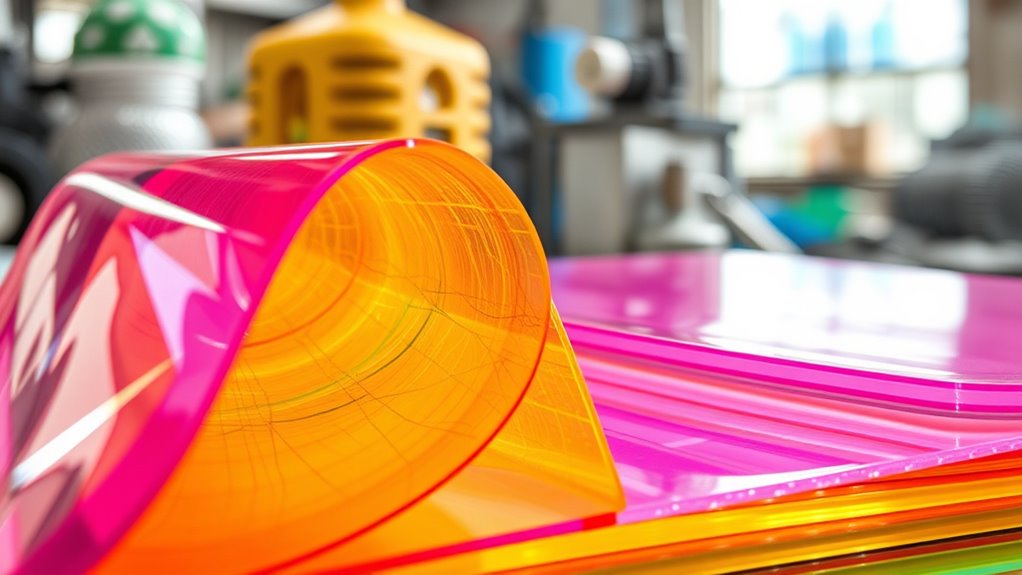
Recyclable thermoplastics are a sustainable alternative to traditional plastics, offering the ability to be melted and reshaped multiple times without losing their properties. This characteristic makes them an attractive choice for industries aiming to reduce environmental impact while maintaining performance standards. As a result, they play a crucial role in promoting sustainable manufacturing practices, where resource efficiency and waste reduction are prioritized. When you choose recyclable thermoplastics, you’re supporting a shift towards more environmentally responsible production methods that align with global efforts to combat plastic pollution and resource depletion.
The market growth of recyclable thermoplastics is driven by increasing awareness of environmental issues and stricter regulations on single-use plastics. Companies are actively seeking sustainable solutions that can meet both economic and ecological goals. This demand has spurred innovation in the development of new recyclable thermoplastic materials with enhanced properties, such as improved durability, heat resistance, and processing versatility. Because these materials can be reused and repurposed, they help manufacturers minimize waste and lower raw material costs, making them a compelling choice in various sectors, including packaging, automotive, and consumer goods.
You will find that the adoption of recyclable thermoplastics not only benefits the environment but also offers strategic advantages. For example, their compatibility with existing manufacturing infrastructure means you can incorporate them into your processes with minimal adjustments. Additionally, their recyclability supports circular economy principles, which encourage reusing materials rather than disposing of them. This approach reduces landfill waste and decreases the demand for virgin plastics, further cementing recyclable thermoplastics as a cornerstone of sustainable manufacturing.
The market growth for these materials is expected to accelerate as consumer preferences shift towards eco-friendly products and legal pressures increase on industries to improve their environmental footprint. Governments and industry groups are implementing policies that favor recycled content and sustainable production. As a result, you’ll likely see more businesses investing in recyclable thermoplastics to meet these standards and appeal to environmentally conscious consumers. This trend not only boosts the market but also encourages ongoing research and development to improve the performance and cost-effectiveness of recyclable thermoplastics, ensuring they remain a feasible alternative to thermosets and other non-recyclable plastics. Additionally, advancements in technology and innovation are further expanding the potential applications and efficiency of recyclable thermoplastics.
recyclable thermoplastic sheets
As an affiliate, we earn on qualifying purchases.
As an affiliate, we earn on qualifying purchases.
Frequently Asked Questions
How Do Recyclability and Performance Compare in Thermoplastics Versus Thermosets?
You’ll find that thermoplastics generally offer better recyclability and material flexibility than thermosets, making them easier to reuse and reshape. However, thermosets often deliver higher performance in durability and heat resistance, though they involve more manufacturing complexity. This means your choice depends on whether you prioritize easier recycling and flexibility or superior performance, with thermoplastics being more straightforward to recycle and thermosets excelling in demanding environments.
Are There Cost Differences Between Recyclable Thermoplastics and Traditional Thermosets?
You’ll find that recyclable thermoplastics generally have a higher cost comparison upfront due to manufacturing expenses, but they can save you money long-term through easier recycling and reprocessing. Traditional thermosets often have lower initial costs but can be more expensive over time because of limited recyclability. Considering your project’s lifecycle and sustainability goals, investing in recyclable thermoplastics might be more cost-effective in the long run.
What Industries Are Most Adopting Recyclable Thermoplastics as Alternatives?
You’ll find the automotive manufacturing industry rapidly adopting recyclable thermoplastics to reduce weight and improve sustainability. Packaging innovations also see significant use of these materials, as they enable eco-friendly, cost-effective solutions. These industries prioritize recyclability and performance, making thermoplastics a preferred choice. By shifting to recyclable thermoplastics, you can enhance product lifecycle, meet environmental standards, and stay competitive in markets increasingly focused on sustainability.
How Do Recycling Processes Impact the Durability of Thermoplastics?
Recycling processes are like a double-edged sword for thermoplastics, shaping their durability like a sculptor with clay. When you recycle, you may introduce material degradation, which can weaken the plastic’s structure over time. Each recycling cycle can chip away at its strength and flexibility, but advancements in recycling technology aim to minimize this damage, helping you extend the lifespan of thermoplastics and keep their resilience intact.
What Are the Environmental Benefits of Switching to Recyclable Thermoplastics?
Switching to recyclable thermoplastics offers significant environmental benefits. You reduce your carbon footprint by choosing materials that can be reused and recycled, cutting down waste and greenhouse gas emissions. Unlike biodegradable plastics, recyclable thermoplastics can be processed multiple times without losing quality, promoting sustainability. This switch helps conserve resources and minimizes landfill overflow, making it a practical choice for eco-conscious actions that support a healthier planet.
eco-friendly plastic containers
As an affiliate, we earn on qualifying purchases.
As an affiliate, we earn on qualifying purchases.
Conclusion
By choosing recyclable thermoplastics over traditional thermosets, you can markedly reduce plastic waste, as thermoplastics can be reprocessed multiple times without losing quality. Imagine saving enough energy to power a small city for a day—that’s the potential impact. With over 300 million tons of plastic produced globally each year, shifting to sustainable options isn’t just smart; it’s essential for a cleaner, greener future. Make the switch and help turn the tide on plastic pollution.
recyclable automotive plastic parts
As an affiliate, we earn on qualifying purchases.
As an affiliate, we earn on qualifying purchases.
sustainable packaging materials
As an affiliate, we earn on qualifying purchases.
As an affiliate, we earn on qualifying purchases.