
TL;DR

Prime made for students and young adults
- Fast, free delivery for dorm and study essentials
- Prime Video and Amazon Music included
- Member-only deals
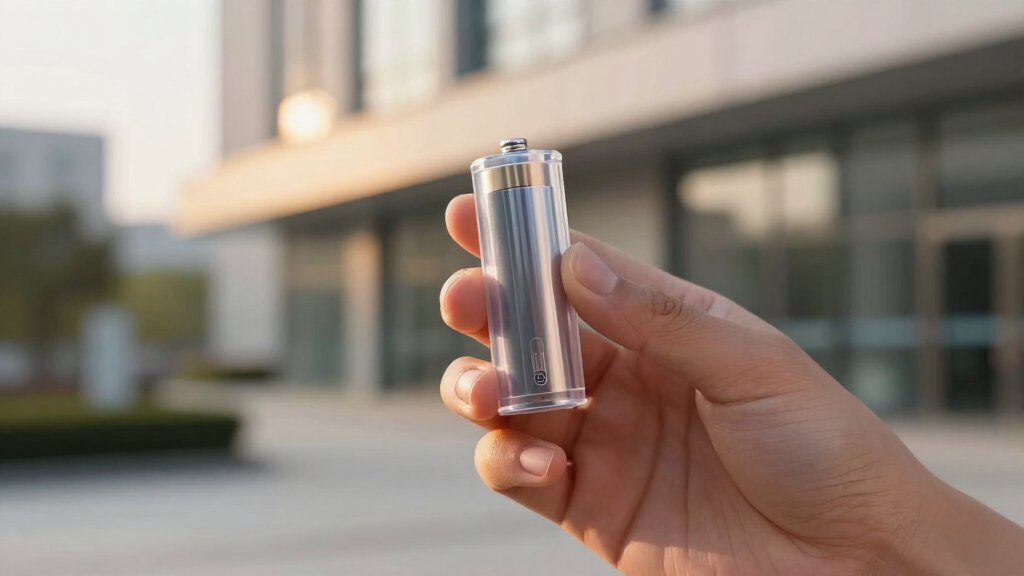
Many automakers and tech companies are investing heavily in solid-state batteries due to their potential for higher energy density and safety. Several firms report progress, but commercial viability remains uncertain. This shift could transform electric vehicles and energy storage.
Several major automakers and battery manufacturers have announced significant progress in developing solid-state batteries, aiming to overcome limitations of current lithium-ion technology. These advances could lead to safer, more efficient energy storage solutions, potentially transforming electric vehicles and renewable energy systems.
Leading companies such as Toyota, QuantumScape, and Samsung SDI have reported breakthroughs in solid-state battery prototypes that demonstrate increased energy density and improved safety features. Toyota, for example, announced in early 2023 that it expects to introduce solid-state batteries in commercial vehicles by 2025, though mass production remains a challenge. QuantumScape has claimed its new cells show promising performance at laboratory scale, with plans to scale manufacturing in the coming years.
Unlike traditional lithium-ion batteries, solid-state batteries replace liquid electrolytes with solid materials, which theoretically reduces fire risk and enhances durability. Experts say this could extend vehicle range significantly and shorten charging times. However, technical hurdles such as manufacturing complexity and material stability are still being addressed, and no company has yet announced a fully commercial product.
Potential Impact on Electric Vehicle and Energy Markets
The push for solid-state batteries could revolutionize electric vehicle (EV) performance, making EVs safer, cheaper, and with longer ranges. This technology might also enable more efficient energy storage for renewable sources, accelerating the transition to clean energy. However, the timeline for widespread adoption remains uncertain, and high production costs could delay market penetration.
As an affiliate, we earn on qualifying purchases.
Recent Advances and Industry Investment in Solid-State Tech
Over the past few years, there has been a surge in investment from automakers and tech firms into solid-state battery research. Companies like Toyota, Samsung, and QuantumScape have secured billions of dollars to develop prototypes and scale manufacturing capabilities. While laboratory tests show promising results, transitioning from lab-scale to mass production involves overcoming significant technical and economic challenges. The industry is closely watching for commercial rollouts, expected within the next few years, but no definitive timelines have been confirmed.
“We are optimistic about the potential of solid-state batteries and aim to introduce them in commercial vehicles by 2025, pending further development.”
— Toyota spokesperson
Unresolved Challenges and Commercialization Uncertainties
Despite promising developments, it is not yet clear when solid-state batteries will become commercially available at scale. Key issues include manufacturing complexity, material durability, and cost reduction. It remains uncertain whether the industry can overcome these hurdles within the next few years or if delays will occur.
Expected Milestones in Solid-State Battery Development
Automakers and suppliers are expected to conduct pilot projects and small-scale manufacturing trials over the next 1-2 years. Major companies aim to introduce prototype vehicles using solid-state batteries by 2025, with commercial production possibly following in the late 2020s. Monitoring these developments will clarify the technology’s readiness and market impact.
Key Questions
What are solid-state batteries?
Solid-state batteries replace the liquid electrolyte found in traditional lithium-ion batteries with a solid material, potentially offering higher energy density, improved safety, and longer lifespan.
Why are companies investing in this technology?
Solid-state batteries promise significant improvements in safety, energy capacity, and charging speed, which could revolutionize electric vehicles and energy storage systems.
When will solid-state batteries be available for consumers?
While prototypes are promising, widespread commercial availability is not expected before the late 2020s, with some companies targeting pilot projects by 2025.
What are the main technical challenges?
Key challenges include manufacturing complexity, ensuring material stability over many charge cycles, and reducing production costs to enable mass-market adoption.
Source: hn
Fall Picks
fall essentials
As an affiliate, we earn on qualifying purchases.