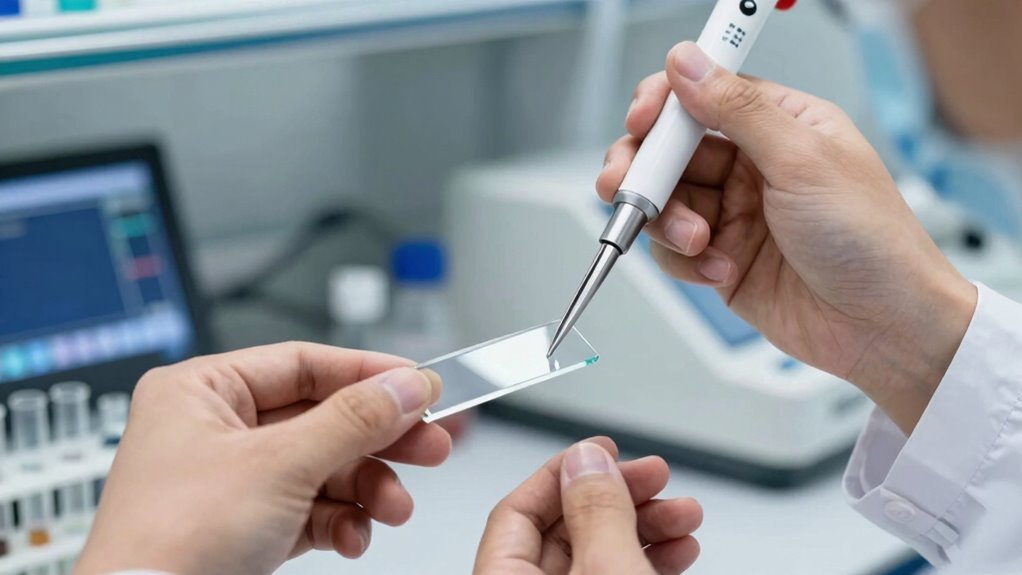

Method transfer between labs is a carefully validated process that guarantees your materials, data, or techniques stay accurate, reliable, and consistent across different research or testing environments. It involves standardized procedures, thorough documentation, and validation steps to prevent errors and maintain quality. You’ll want to minimize risks like contamination or data loss through careful process design and ongoing reviews. Keep exploring to understand the key steps and best practices behind successful laboratory transfers.
Key Takeaways
- Method transfer involves moving procedures, samples, or data between labs while maintaining integrity, accuracy, and consistency.
- It requires validated, standardized procedures to ensure reliable and reproducible results across different environments.
- Proper documentation and traceability are essential to demonstrate compliance and facilitate reproducibility.
- Risk minimization strategies, such as controlled environments and specialized containers, protect sample quality during transfer.
- Continuous review and improvement of transfer methods ensure ongoing reliability and adaptation to technological advancements.
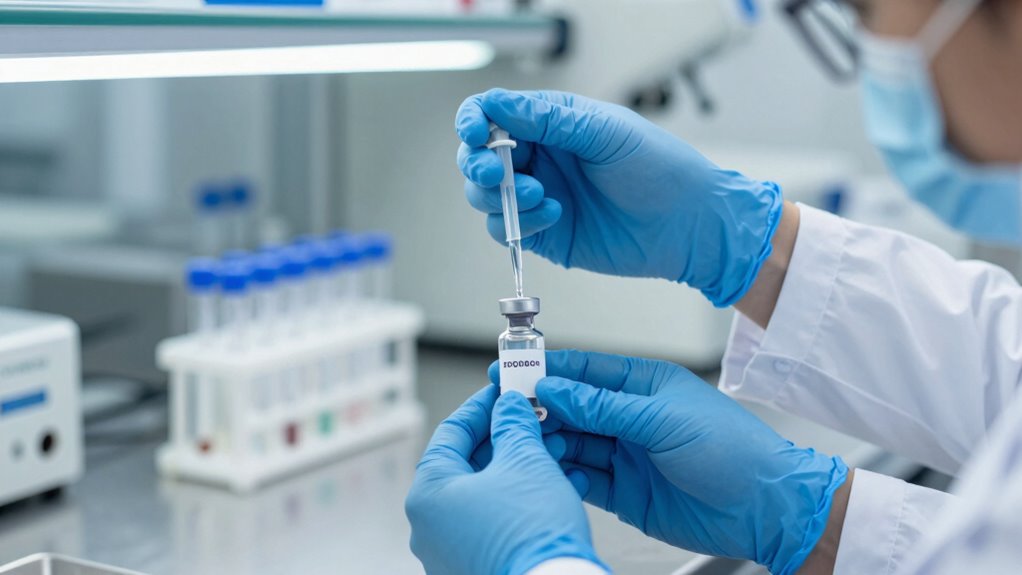
Have you ever wondered how to efficiently transfer materials or data between labs? When working across different research facilities or testing sites, understanding what a transfer method really entails is vital to maintaining quality and consistency. At its core, a transfer method isn’t just about moving samples or data from one place to another; it’s about guaranteeing that the integrity, accuracy, and reliability of what’s being transferred are preserved throughout the process. To achieve this, you need to adhere to strict laboratory standards that dictate how transfers are performed, documented, and validated. These standards serve as a foundation, making certain that every transfer meets the necessary quality benchmarks, minimizes errors, and produces reproducible results.
Ensuring transfer integrity through strict standards guarantees quality, accuracy, and reproducibility across research and testing facilities.
Validation procedures are a key part of this process. Before any transfer method can be considered reliable, it must go through rigorous validation to confirm it functions as intended across different environments and conditions. Validation involves testing the transfer process repeatedly, under various scenarios, to verify that it consistently delivers the same results. For example, if you’re transferring a biological sample, validation ensures that its composition, concentration, and activity remain unchanged after the move. This validation process provides confidence that the method is fit for purpose, compliant with regulatory requirements, and capable of supporting high-quality research or testing outcomes. Additionally, following laboratory standards helps ensure that transfers are performed consistently and meet quality expectations. Moreover, incorporating quality assurance protocols into the transfer process helps identify and address potential issues proactively, further safeguarding the integrity of the transfer. Employing standardized procedures is essential to promote uniformity and reduce variability during transfers. Implementing robust documentation practices further enhances traceability and accountability throughout the transfer process. Regular review and continuous improvement are also necessary to adapt to new challenges or advancements in technology, ensuring that transfer methods remain effective and reliable.
When you implement a transfer method, you also need to document every step meticulously. This documentation should include details about the laboratory standards followed, the validation procedures carried out, and any deviations or anomalies encountered. Proper documentation not only helps make certain of reproducibility but also serves as proof of compliance during inspections or audits. Additionally, it allows other teams or labs to replicate the process accurately, fostering consistency across multiple sites.
The actual transfer process itself should be carefully designed to minimize risks. This might involve using specialized containers, controlled environments, or specific handling techniques aligned with established laboratory standards. The goal is to prevent contamination, degradation, or data loss during transfer. Regular review and re-validation are necessary, especially when equipment, personnel, or environmental conditions change. By continuously monitoring and refining your transfer methods, you make certain that your lab maintains the highest standards of quality and reliability.

50Pcs 5ml Plastic Sample Bottle Vial Storage Container for Laboratory Lab
- Material: High transparency plastic
- Capacity: 5 mL per bottle
- Dimensions: 14 x 41 mm (D x L)
As an affiliate, we earn on qualifying purchases.
As an affiliate, we earn on qualifying purchases.
Frequently Asked Questions
How Long Does a Typical Method Transfer Process Take?
A typical method transfer process takes anywhere from a few weeks to several months, depending on complexity. You’ll need to guarantee equipment calibration is accurate and consistent across labs. Staff training is vital, as it makes sure everyone understands the new method. Regular communication, documentation, and troubleshooting help prevent delays. Overall, staying organized and proactive speeds up the process, minimizing disruptions and securing a successful transfer.
What Are Common Challenges Faced During Method Transfer?
Method transfer is like steering through a storm—you face many challenges. Common issues include ensuring regulatory compliance, which can feel like walking a tightrope, and personnel training gaps that cause inconsistencies. Differences in lab equipment and environmental conditions also create hurdles. Addressing these challenges requires clear communication, thorough documentation, and proper training, ensuring the method’s integrity remains intact across all laboratories involved.
How Is Data Integrity Maintained During Transfer?
You maintain data integrity during transfer by implementing rigorous data validation processes, ensuring all data is accurate, complete, and consistent. You also prioritize quality assurance measures, such as cross-checking results and documenting procedures, to prevent errors. Regular audits and standardized protocols help identify discrepancies early, ensuring that the transferred data remains reliable and meets regulatory standards throughout the process.
What Role Does Documentation Play in Method Transfer?
Documentation plays a vital role in method transfer by ensuring protocol consistency and documentation accuracy. You must thoroughly record all procedures, deviations, and observations to create a clear, detailed transfer record. This helps both labs replicate the method accurately and troubleshoot issues if they arise. Accurate documentation acts as a reference, maintaining quality standards and compliance, and ultimately guaranteeing that the transferred method yields reliable, consistent results across different laboratories.
How Are Discrepancies Resolved in Transfer Procedures?
Think of discrepancies as cracks in a bridge that need fixing. You resolve them by reviewing calibration protocols and performing thorough equipment validation. First, identify where the differences occur, then adjust procedures or calibrate instruments accordingly. Document each step meticulously, ensuring all parties agree on solutions. Clear communication and validation help bridge gaps, ensuring the transfer maintains accuracy and consistency across labs.
Conclusion
In the end, understanding what transfer really means between labs is like passing a baton in a relay race—you’re handing over vital information smoothly and efficiently. You need clear communication, precise documentation, and shared standards to keep the process seamless. When done right, it’s a dance that keeps research moving forward without missing a beat. Remember, successful transfer isn’t just about moving data; it’s about building trust and collaboration that last.