Contact angle measurements give you a quick and reliable way to assess surface properties and optimize material interactions. By measuring how a liquid droplet interacts with a surface, you can determine its wetting behavior, surface energy, and cleanliness. This simple test helps improve coating adhesion, reduce friction, and guarantee consistent performance. If you keep exploring, you’ll discover even more ways contact angles can enhance your surface understanding and process efficiency.
Key Takeaways
- Contact angle measurement provides quick insights into surface energy and wetting behavior.
- It aids in assessing surface cleanliness and the effectiveness of surface treatments.
- Rapid data from contact angles guides optimized surface modifications for desired properties.
- Consistent contact angle measurements help maintain surface performance over time.
- The technique supports efficient decision-making in manufacturing and biomedical applications.
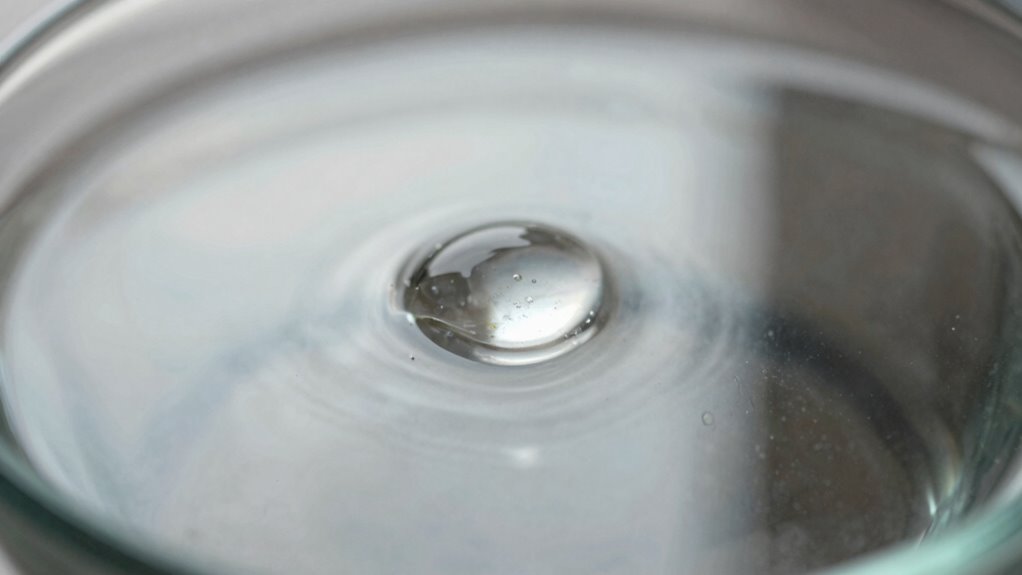
If you observe a low contact angle, it means the liquid is spreading easily, indicating high surface energy and good wetting behavior. Conversely, a high contact angle suggests poor wetting, often due to low surface energy or surface contamination. This information helps you decide whether a surface needs cleaning, modification, or treatment to achieve the desired interaction with liquids. For instance, in manufacturing, ensuring proper wetting can improve coating adhesion and durability, while in biomedical fields, it can influence how well a device interfaces with bodily fluids. Understanding surface energy through contact angle measurements allows you to make informed decisions about surface treatments like plasma cleaning, coating, or chemical modification. These adjustments can drastically change the wetting behavior, leading to better adhesion, reduced friction, or improved fluid flow. Whether you’re working with polymers, metals, or ceramics, the quick insight from contact angle data helps optimize your processes without lengthy or costly testing. Additionally, surface contamination can significantly alter contact angles, so regular assessment helps maintain consistent surface performance.

Weewooday 8 Pack Classroom Goniometer Angle Ruler Set, 7 Inch Clear Plastic Angle Finder Protractor with Rotating Arm, Geometry Measuring Tools for Students Teachers Drafting Woodworking
- Complete Classroom Measuring Set: Includes 8 clear goniometer rulers for various tasks
- Rotating Swing Arm Design: 7-inch movable arm for flexible angle measurement
- Clear Dual Scale Reading: Includes degree, inch, and centimeter measurements
As an affiliate, we earn on qualifying purchases.
As an affiliate, we earn on qualifying purchases.
Frequently Asked Questions
How Do Surface Contaminants Affect Contact Angle Measurements?
Surface contamination can greatly skew your contact angle measurements, leading to inaccurate assessments of surface properties. When contaminants like oils, dust, or residues are present, they alter the surface’s true wettability, making it seem more or less hydrophilic or hydrophobic than it truly is. To guarantee measurement accuracy, you need to thoroughly clean your surfaces before testing, preventing surface contamination from interfering with reliable contact angle readings.
What Are Common Errors in Contact Angle Testing?
You might overlook measurement calibration or rush the test, leading to skewed contact angle results. Common errors include neglecting surface energy variations and inconsistent droplet sizes, which can distort readings. Just like a miscalibrated scale gives false weight, poor calibration in contact angle measurement skews your understanding of surface properties. Always verify your equipment is calibrated, and control surface conditions to avoid these errors and get accurate, reliable data.
How Does Surface Roughness Influence Contact Angle Results?
Surface roughness greatly impacts your contact angle results by altering the surface texture. A rough surface can cause measurement inaccuracies because it traps air pockets or creates uneven contact, leading to higher or inconsistent contact angles. To guarantee measurement accuracy, you should smooth the surface or account for roughness effects during analysis. This helps you obtain reliable data and truly understand the surface’s wetting properties.
Can Contact Angle Measurements Be Used for Porous Surfaces?
Yes, you can use contact angle measurements for porous surfaces, but wetting behavior becomes more complex. Porous materials often absorb liquids, making it difficult to get accurate contact angles. Instead, you might observe a combination of absorption and surface wetting, which complicates interpretation. To better understand these surfaces, consider complementary techniques like infiltration tests or surface energy analysis, alongside contact angle measurements for a clearer picture.
What Are the Limitations of Static Versus Dynamic Contact Angle?
While static contact angles offer a quick glimpse into surface energy and wettability, they can sometimes oversimplify the story, missing nuances captured by dynamic measurements. Static tests are limited in evaluating how surfaces behave under real-world conditions where liquids move and interact more actively. Dynamic contact angle measurements, though more complex, provide a richer wettability analysis, revealing how surfaces perform over time and under different conditions.
Conclusion
Just as the Trojan Horse revealed hidden secrets within, contact angle measurements unveil the surface’s true nature beneath its exterior. By mastering this quick, insightful technique, you gain a clearer understanding of surface properties—without the need for complex tools or lengthy procedures. So, embrace this modern-day oracle, and let it guide you through the surface mysteries that lie beneath, turning surface science into your most trusted ally in discovery.