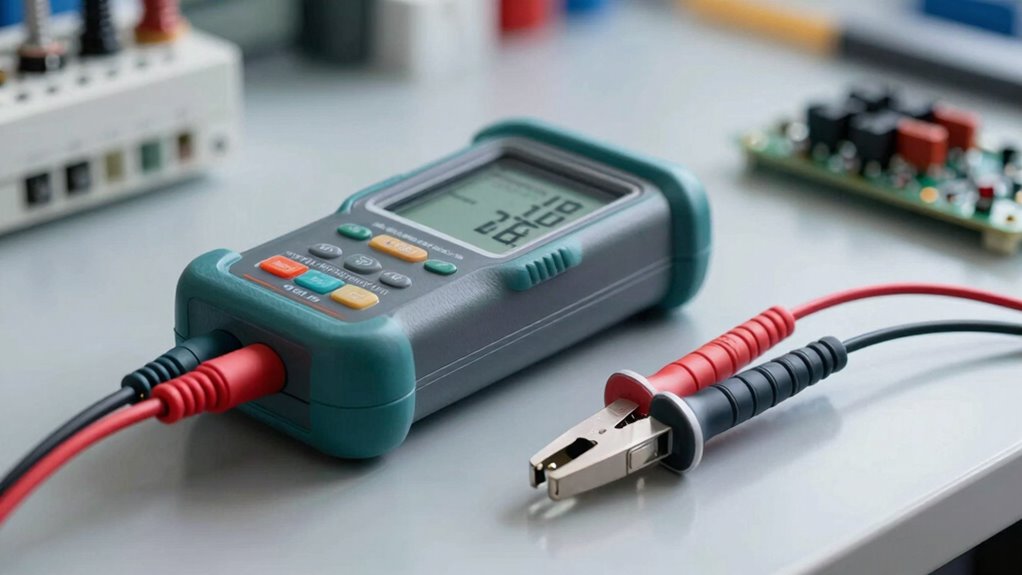

A megohmmeter is a essential tool that helps you measure insulation resistance accurately, so you can guarantee electrical safety without guesswork. By applying a high voltage to the circuit, it shows how well the insulation resists current flow. Regular testing with a calibrated device prevents failures, short circuits, and shocks. When you understand proper testing techniques and safety procedures, you improve reliability and safety. Keep exploring to discover more about mastering insulation testing with ease.

Get school and study supplies delivered free — and shop member deals
- Fast, free delivery on millions of items
- Access to Prime Big Deal Days deals on October 6–7
- Prime Video, Amazon Music and more included
Key Takeaways
- Megohmmeters measure insulation resistance to ensure electrical safety and prevent equipment failures.
- Proper testing procedures, including de-energizing circuits and applying correct voltage, ensure accurate results.
- Regular calibration of megohmmeters maintains measurement precision and device reliability.
- High resistance readings indicate good insulation; low resistance suggests deterioration needing attention.
- Following standardized protocols and safety measures avoids false readings and enhances testing accuracy.
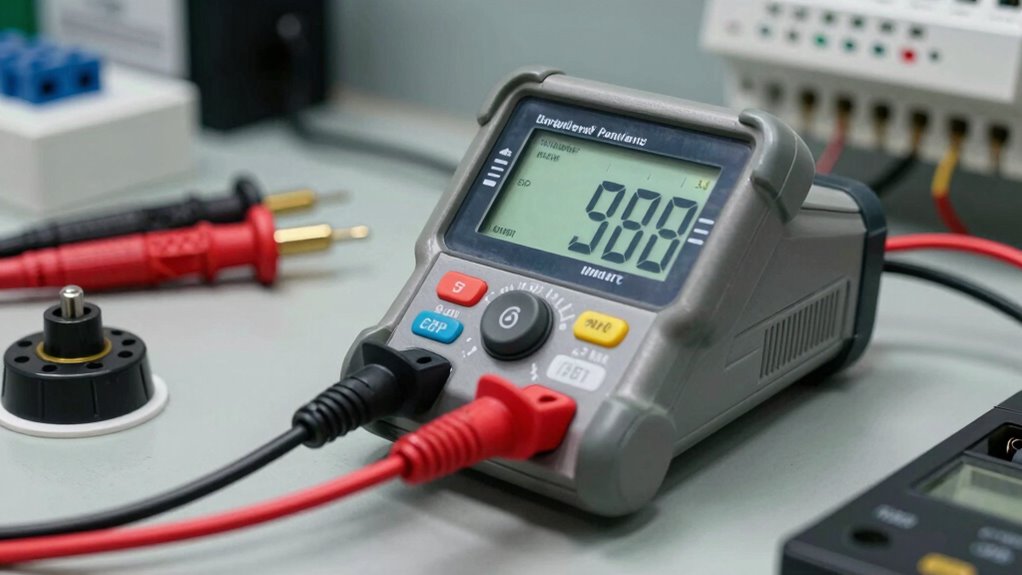
Megohmmeters are essential tools for measuring high resistance values in electrical circuits, helping you guarantee safety and proper functioning. When testing insulation resistance, these devices become invaluable, allowing you to identify potential issues before they cause failures or hazards. Insulation resistance measures how well a material resists electrical current, and maintaining high insulation resistance is critical for preventing short circuits, electric shocks, and equipment damage. Using a megohmmeter, you can precisely assess this resistance, ensuring your systems are safe and compliant with standards. To get accurate and reliable readings, megohmmeters must be properly calibrated. Megohmmeter calibration involves adjusting the device to match a known standard, ensuring that the resistance measurements are precise. Regular calibration is essential because, over time, factors like temperature changes, usage, and aging can affect the instrument’s accuracy. Calibration procedures typically involve testing the megohmmeter against a certified resistor or calibration standard, then making adjustments if discrepancies are found. Proper calibration not only guarantees measurement accuracy but also extends the lifespan of your equipment by preventing faulty readings that could lead to incorrect diagnoses. Additionally, understanding the importance of insulation testing helps in maintaining safety standards and avoiding costly repairs down the line. When performing insulation testing, you should connect the megohmmeter carefully, following manufacturer instructions to avoid false readings. Make sure the circuit or equipment is de-energized before testing to prevent electric shocks or damage. Applying the correct test voltage is important, as too high a voltage can damage insulation or produce misleading results. Usually, the test voltage varies depending on the equipment being tested—common values range from 500V to 2500V. The megohmmeter then applies this voltage and measures the resistance, displaying a value typically in megaohms. High resistance readings indicate good insulation, whereas low readings suggest deterioration, contamination, or damage that requires maintenance or repair. Regular testing and instrument calibration are crucial for ensuring ongoing safety and accuracy in electrical systems. Additionally, understanding the proper testing procedures can help prevent errors and ensure consistent results. Incorporating proper testing techniques also helps in detecting subtle issues that might otherwise go unnoticed during routine checks. Proper training on testing protocols can further enhance the reliability of your insulation assessments.
digital megohmmeter for insulation testing
As an affiliate, we earn on qualifying purchases.
As an affiliate, we earn on qualifying purchases.
Frequently Asked Questions
How Often Should Megohmmeters Be Calibrated for Accuracy?
You should calibrate your megohmmeter annually to guarantee accuracy verification. Calibration intervals depend on how often you use the device and the manufacturer’s recommendations, but yearly checks are standard for maintaining measurement precision. Regular calibration helps identify any drift or inaccuracies. Keep records of calibration dates and results so you can confidently rely on your insulation testing readings, preventing costly errors or overlooked issues.
Can Megohmmeters Test All Types of Insulation Materials?
You might think megohmmeters can test all insulation materials, but that’s like trying to fit a square peg in a round hole. Material compatibility and testing limitations mean they work best on certain insulations, like rubber or plastic, and may struggle with others like paper or composite materials. So, don’t assume a single device covers all; understanding its testing limitations guarantees accurate results without surprises.
What Safety Precautions Are Recommended During Insulation Testing?
During insulation testing, you should wear personal protective equipment like gloves and safety glasses to prevent electric shocks or injuries. Follow proper testing procedures, including confirming the equipment is properly grounded and disconnected from power sources before testing. Always verify the megohmmeter’s calibration, and avoid touching test leads during operation. These precautions help protect you and ensure accurate results while maintaining safety standards.
Are There Alternative Methods to Megohmmeters for Insulation Testing?
Yes, alternative testing methods exist, such as insulation resistance testers, hipot testers, and dielectric absorption tests. These methods can be suitable depending on your insulation material’s compatibility, as some materials may be sensitive to high voltage or specific test conditions. Always guarantee you select the appropriate method for your insulation type to avoid damage and obtain accurate results. Proper understanding of each method’s limitations is essential for safe and reliable testing.
How Do Environmental Factors Affect Insulation Resistance Readings?
Environmental impact and moisture influence greatly affect insulation resistance readings. When humidity rises, moisture can accumulate on insulation surfaces, lowering resistance values and potentially leading to false alarms. Conversely, dry conditions may result in higher readings, giving a false sense of security. You should always consider ambient temperature, humidity, and moisture levels during testing to guarantee accurate, reliable insulation resistance measurements.
Conclusion
Now that you understand how megohmmeters work, you’re better equipped to guarantee your insulation is safe and reliable. Regular testing with a megohmmeter can save you from unexpected failures and costly repairs. Isn’t it reassuring to know you have the right tools to prevent problems before they happen? By mastering insulation testing, you take control of your electrical safety. So, why leave it to chance when you can confidently keep everything running smoothly?
Fall Picks
fall essentials
As an affiliate, we earn on qualifying purchases.