Halogen moisture analyzers often give results that don’t match oven drying because they use rapid infrared heating, which can lead to differences in moisture removal and measurement. Calibration methods, sample size, and handling also impact the accuracy, causing discrepancies if not properly maintained. To get consistent results, regular calibration and proper sample preparation are essential. If you want to understand how to minimize these differences, there’s more you should consider.
Key Takeaways
- Halogen moisture analyzers use infrared heating for rapid evaporation, while oven drying employs slow, uniform heating, causing inherent measurement differences.
- Calibration discrepancies and sensor wear can lead to inconsistent results between halogen analyzers and oven drying.
- Sample size, distribution, and handling affect moisture readings, contributing to variations with different methods.
- Environmental factors and sample placement influence infrared sensors more, impacting halogen analyzer accuracy compared to oven methods.
- Proper calibration, maintenance, and standardized sample preparation are essential to minimize discrepancies between the two measurement techniques.

Moisture analyzers are indispensable tools used to quickly and accurately measure the moisture content in various materials. Whether you’re testing grains, pharmaceuticals, or plastics, having reliable readings is essential for quality control. One common issue you might encounter is a discrepancy between halogen moisture analyzer results and traditional oven drying methods. Understanding why these differences occur starts with examining calibration techniques and sensor maintenance.
Calibration is the foundation of accurate measurements. If your moisture analyzer isn’t properly calibrated, it can give inconsistent or inaccurate results, especially when comparing to oven drying. Regular calibration ensures that the device accounts for environmental changes and sensor drift over time. Many analyzers offer built-in calibration routines or require external calibration standards. Performing calibration at recommended intervals and verifying it with certified reference materials helps maintain accuracy. Pay close attention to the calibration procedures outlined by the manufacturer, as improper calibration can lead to significant deviations, especially with halogen-based sensors that rely on infrared heat absorption.
Proper calibration ensures accurate moisture readings and minimizes discrepancies with oven drying methods.
Sensor maintenance is equally critical. The sensor is the heart of your moisture analyzer, and if it’s dirty or damaged, it won’t provide reliable readings. Regular cleaning of the sensor surface prevents dust, residue, or buildup from interfering with measurements. Use manufacturer-approved cleaning agents and avoid abrasive materials that could scratch or damage the sensor. Additionally, check for any signs of wear or damage and replace sensors when necessary. Proper sensor maintenance ensures consistency and prolongs the lifespan of your device. Moreover, understanding the measurement principles behind each analysis method can help interpret discrepancies more effectively.
The differences between halogen results and oven drying often stem from the fundamental measurement principles. Halogen moisture analyzers use infrared heat to evaporate moisture rapidly, providing quick results. Oven drying, on the other hand, involves a slow, controlled heating process that completely removes moisture. Variations in sample size, distribution, or uneven heating can cause halogen analyzers to report slightly different moisture levels. Ensuring your calibration techniques address these factors—like using appropriate sample sizes and consistent handling—reduces discrepancies.
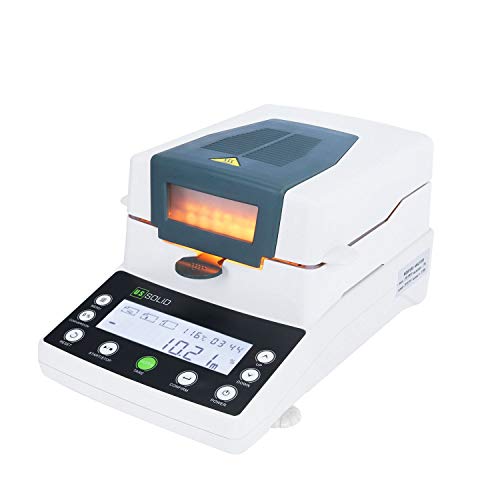
U.S. Solid Halogen Moisture Analyzer – 110g Capacity, 5mg/0.1% Readability, 40–199℃ Drying Range, 90 mm Pan with 50 Dishes, Moisture Balance with RS232 for Food, Grain, Chemical & Laboratory Testing
Fast & Accurate Moisture Analysis:Equipped with a high-efficiency 450W halogen lamp and premium strain-gauge weighing sensor, the USS-HMA01…
As an affiliate, we earn on qualifying purchases.
As an affiliate, we earn on qualifying purchases.
Frequently Asked Questions
Can Moisture Analyzers Measure All Types of Samples Accurately?
You might find that moisture analyzers don’t measure all samples accurately because of sample variability and instrument limitations. Certain samples with high fat or volatile content can skew results, and the analyzer’s technology may struggle with complex matrices. It’s essential to comprehend these limitations and consider alternative methods for specific materials to guarantee precise moisture content measurement. Always calibrate and validate your device for your particular sample types.
How Does Sample Temperature Affect Moisture Analyzer Readings?
Imagine holding a damp sponge, feeling its coolness; now, picture your sample in the moisture analyzer. If the sample’s temperature isn’t just right, measurement accuracy suffers—you might get skewed results. Too hot or too cold, and moisture levels appear off. You must control sample temperature carefully, ensuring consistent conditions. This way, your readings become reliable, giving you a true picture of moisture content without surprises.
Are Moisture Analyzers Suitable for High-Moisture-Content Materials?
Moisture analyzers are generally suitable for high-moisture-content materials, but you should watch for sample variability and moisture heterogeneity. These factors can cause inconsistent readings because moisture isn’t evenly distributed. To improve accuracy, verify your samples are well-mixed and representative. Keep in mind that high moisture levels may require longer drying times or specific settings, so always validate results with reference methods for critical measurements.
What Maintenance Is Required for Halogen Moisture Analyzers?
Think of your halogen moisture analyzer like a fine-tuned instrument that needs regular care. You should calibrate it regularly—ideally, as recommended by the manufacturer—to keep readings accurate. Follow cleaning protocols diligently, especially for the sample chamber and sensors, to prevent dust buildup and guarantee consistent results. Proper maintenance keeps your device humming smoothly, like a well-oiled engine, and ensures reliable moisture measurements every time.
How Do Calibration Procedures Differ Between Halogen and Oven Methods?
You calibrate halogen moisture analyzers using calibration standards that focus on quick response and measurement consistency, often involving specific reference materials. In contrast, oven methods rely on traditional calibration with oven-dried samples, emphasizing accuracy over speed. Recognize that calibration procedures differ to accommodate each method’s technology, guaranteeing reliable moisture readings. Regular calibration with appropriate standards maintains measurement consistency and ensures your analyzer provides accurate, reproducible results.
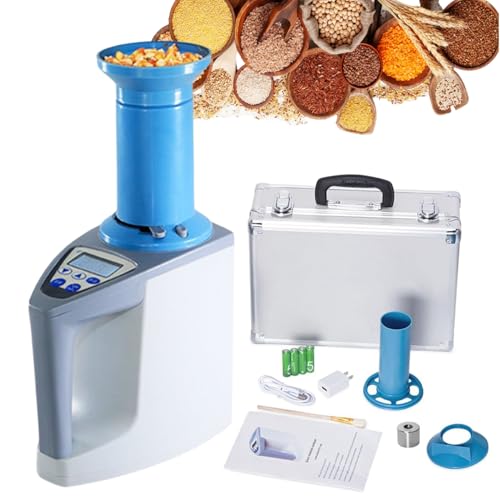
Grain Moisture Tester, 24 Types Grain Moisture Meter, VQP Digital Crop Corn Moisture Tester Analyzer, 3-35% Range, LCD Display for Rice Barley Wheat Soybean
Grain moisture tester analyzer can accurately detect the moisture content of grains ranging from 3% to 35%, suitable…
As an affiliate, we earn on qualifying purchases.
As an affiliate, we earn on qualifying purchases.
Conclusion
So, next time your halogen results don’t match oven drying, remember it’s like comparing a quick flash of lightning to a steady sunrise. Both reveal moisture, but they do it in their own unique way. Understanding these differences helps you choose the right tool for your needs, turning uncertainty into clarity. With this knowledge, you’ll navigate moisture analysis with confidence, like a seasoned sailor steering through diverse waters—always knowing which method best guides your journey.
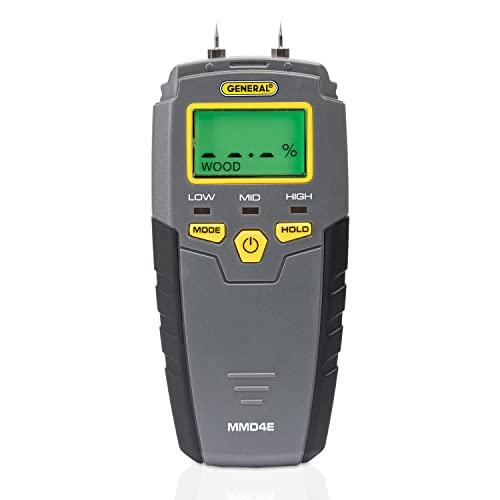
General Tools MMD4E Digital Moisture Meter, Water Leak Detector, Moisture Tester, Pin Type, Backlit LCD Display With Audible and Visual High-Medium-Low Moisture Content Alerts, Grays
HUMIDITY SENSOR: Our handy meter tool can quickly determine what level of remediation is needed to keep your…
As an affiliate, we earn on qualifying purchases.
As an affiliate, we earn on qualifying purchases.

VSGO Full Frame Sensor Cleaning Kit, 12pcs Sensor Swabs & 10ml Sensor Cleaner for Nikon Sony Canon DSLR Camera Clean (VS-S03-12)
【Sensor Cleaning Fluid】: Screen cleaner can strongly clean stains,Uses the power of ultrapure water to clean without leaving…
As an affiliate, we earn on qualifying purchases.
As an affiliate, we earn on qualifying purchases.