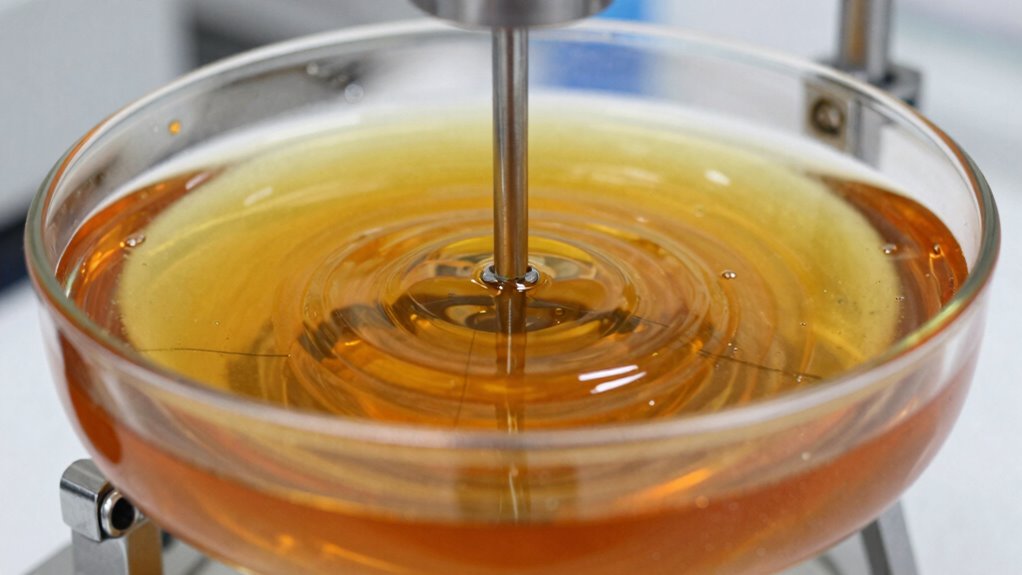

Focusing on a single viscosity measurement at one shear rate can be misleading because viscosity varies with shear rate, temperature, and test methods. Relying on one data point ignores these complex factors and can give false comparisons between samples. To truly understand flow behavior, you need to evaluate how viscosity changes across different shear conditions. If you want to avoid this trap, explore how multi-shear testing reveals a more accurate picture of a liquid’s rheology.

Get school and study supplies delivered free — and shop member deals
- Fast, free delivery on millions of items
- Access to Prime Big Deal Days deals on October 6–7
- Prime Video, Amazon Music and more included
Key Takeaways
- Single viscosity measurements at one shear rate can misrepresent a liquid’s true flow behavior across different conditions.
- Viscosity varies with shear rate; neglecting this leads to misleading comparisons between samples.
- Shear-thinning and shear-thickening behaviors require multi-shear testing for accurate rheological characterization.
- Standardized, multi-shear testing methods provide more reliable data for real-world applications.
- Recognizing viscosity’s dependence on testing parameters helps avoid the “shear rate trap” and improves comparison accuracy.
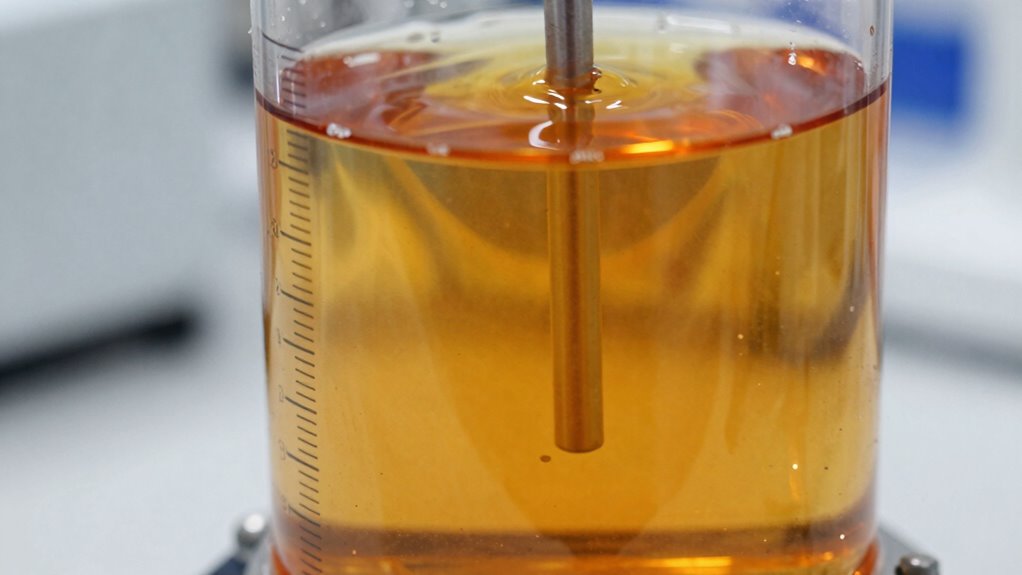
Have you ever wondered how industries determine the flow characteristics of liquids? It’s a fundamental aspect of product development, quality control, and process optimization. Yet, many people overlook the complexity behind viscosity testing. A common mistake is assuming that viscosity is a single, straightforward measurement. In reality, it’s a complex property influenced by multiple factors, and misconceptions about rheology can lead to inaccurate conclusions. Rheology misconceptions often stem from oversimplified interpretations of flow behavior, especially when people think of viscosity as a fixed number. But viscosity varies depending on shear rate, temperature, and the test method used. That’s why understanding the influence of shear rate in testing standards is essential. Many testing standards specify certain shear conditions, but if you ignore how shear rate impacts viscosity, you risk comparing apples to oranges. For example, some liquids are shear-thinning, meaning their viscosity decreases as shear rate increases, while others are shear-thickening. If you don’t consider these behaviors, you might mistakenly assume two samples are different when, in fact, they’re just tested under different shear conditions. This is where the shear rate trap becomes a common pitfall. When laboratories or manufacturers rely on a single viscosity measurement taken at one shear rate, they often assume it accurately represents how the liquid behaves in real-world applications. But in reality, flow characteristics can change dramatically across different shear conditions. Without standardizing shear rates in testing standards or understanding how they influence viscosity, comparisons become unreliable. It’s vital to recognize that viscosity isn’t an intrinsic property but depends heavily on testing parameters. Many misconceptions arise because people overlook this dynamic aspect of rheology. To avoid these pitfalls, many industries are adopting multi-shear testing methods, which provide a clearer picture of how a liquid behaves across a range of shear rates. This extensive approach helps prevent misleading comparisons and ensures more accurate, meaningful data. Ultimately, understanding the nuances of rheology and adhering to well-established testing standards allow you to make better-informed decisions. Whether you’re developing a new product or monitoring quality, knowing how shear rate influences viscosity ensures your measurements reflect real-world performance, not just laboratory conditions. Recognizing and overcoming the shear rate trap will help you navigate the complexities of viscosity testing more confidently, leading to better results and more reliable data. Additionally, awareness of Rheology misconceptions can help industries develop more tailored and effective testing protocols.
viscosity tester with multi-shear testing
As an affiliate, we earn on qualifying purchases.
As an affiliate, we earn on qualifying purchases.
Frequently Asked Questions
How Does Temperature Influence Viscosity Measurements at Different Shear Rates?
Temperature markedly impacts viscosity measurements, especially considering temperature dependence and shear rate variability. As temperature increases, viscosity generally decreases, but this effect varies with different shear rates. You should account for shear rate variability because viscosity may respond differently at low versus high shear rates when temperature changes. Neglecting this interplay can lead to inaccurate comparisons, so always evaluate viscosity across various shear rates under consistent temperature conditions for reliable results.
What Are the Best Practices for Calibrating Viscosity Testing Equipment?
You should regularly calibrate your viscosity testing equipment using certified calibration standards to guarantee accuracy. Follow the manufacturer’s guidelines for calibration procedures and document each session. Maintain your equipment by performing routine maintenance, such as cleaning and inspecting parts, to prevent measurement errors. Regular calibration and maintenance help you achieve reliable, consistent results and extend the lifespan of your instruments.
Can Viscosity Testing Be Automated for High-Volume Production Lines?
Yes, you can automate viscosity testing for high-volume production lines. Implement automated sampling systems that regularly collect samples without manual intervention, and integrate real-time monitoring to track viscosity changes instantly. This setup helps you sustain consistent quality, reduce errors, and improve efficiency. By automating these processes, you guarantee your production line stays responsive and accurate, even at high throughput levels.
How Do Sample Preparations Affect the Accuracy of Viscosity Measurements?
Sample preparation substantially impacts your viscosity measurement accuracy. Ensuring sample integrity by avoiding contamination, proper mixing, and consistent temperature control helps you achieve reliable results. When you prepare samples carefully, measurement consistency improves, reducing errors caused by inconsistent sample conditions. Proper handling and standardized procedures are essential for accurate viscosity readings, especially in high-volume settings where small variations can lead to considerable discrepancies.
What Are Common Errors to Avoid During Shear Rate Testing?
During shear rate testing, you should avoid calibration errors by regularly calibrating your equipment and maintaining proper procedures. Also, prevent sample contamination by using clean tools and containers, as impurities can skew results. Be cautious with sample handling to guarantee consistent shear conditions. By actively managing calibration and contamination risks, you improve the accuracy and reliability of your viscosity measurements, avoiding common pitfalls that compromise data quality.
Conclusion
So, next time you test viscosity, remember the shear rate trap can distort your view—like trying to compare apples and oranges in a busy market. When you overlook how shear rate influences measurements, it’s as if you’re looking through fogged glasses, missing the true flavor of your data. Keep a clear eye on shear conditions, and you’ll find your comparisons sharper, like sunlight breaking through clouds, revealing the real picture behind every fluid’s flow.
Evergreen bestsellers Picks
bestsellers
As an affiliate, we earn on qualifying purchases.