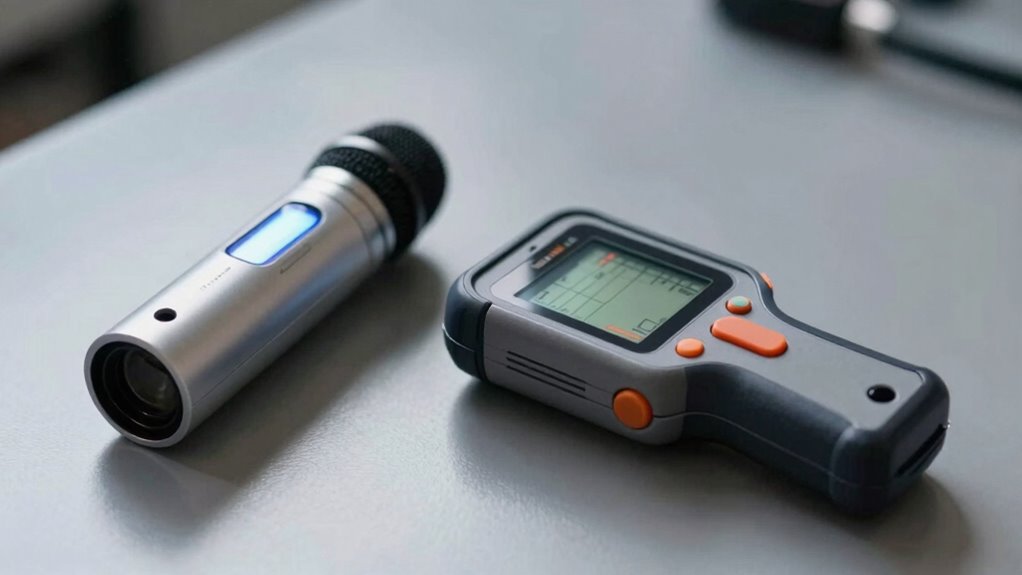
Sound level meters and dosimeters are essential tools to assess noise exposure in workplaces. You use sound level meters for quick, spot checks and identifying noise hotspots, while dosimeters are worn throughout shifts to measure personal exposure over time. Both use techniques like A-weighting filters to mimic human hearing. If you want to understand how these tools support safety standards and protect hearing, keep exploring—they reveal important details you won’t want to miss.

Get school and study supplies delivered free — and shop member deals
- Fast, free delivery on millions of items
- Access to Prime Big Deal Days deals on October 6–7
- Prime Video, Amazon Music and more included
Key Takeaways
- Sound level meters provide quick, point-in-time noise measurements, while dosimeters track cumulative personal noise exposure over a work shift.
- Meters are suitable for spot checks; dosimeters are essential for assessing long-term occupational noise risks.
- Both devices use similar techniques, such as A-weighting filters, but serve different assessment purposes.
- The choice depends on whether immediate noise levels or overall exposure data is needed for safety decisions.
- Advances in measurement technology enhance accuracy, making both tools vital for effective noise management and compliance.
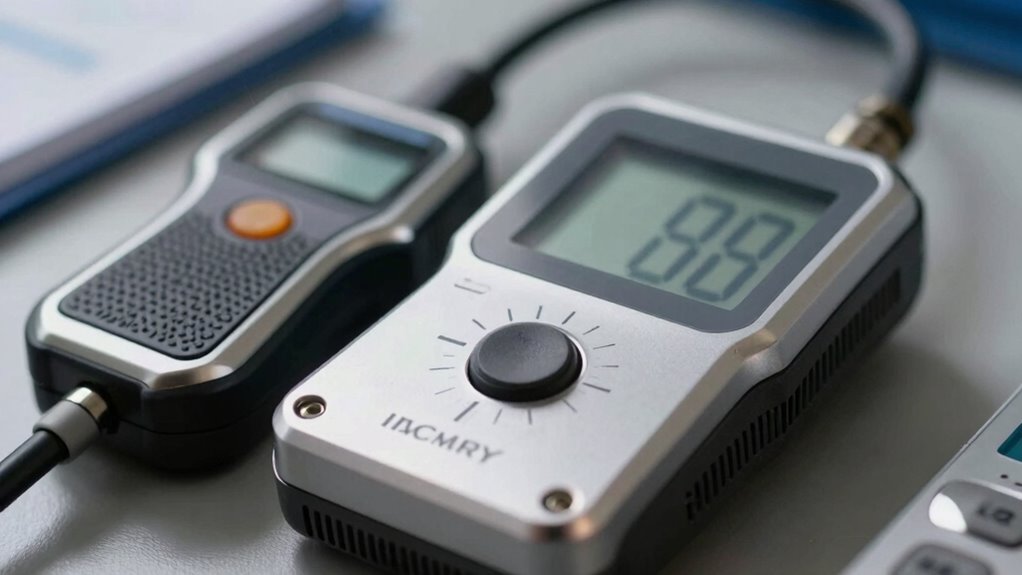
When it comes to measuring noise exposure, sound level meters and dosimeters are essential tools that help guarantee safety and compliance. These devices are vital in assessing whether your environment meets the necessary occupational health standards, ensuring workers are protected from potentially harmful noise levels. Understanding the differences between these tools and how they utilize noise measurement techniques can help you choose the right equipment for your specific needs.
Sound level meters are handheld devices that you can use to measure noise levels at a fixed point. They provide instant readings, making them ideal for spot checks and quick assessments. When you use a sound level meter, you’re relying on established noise measurement techniques, such as A-weighting filters, which mimic human hearing sensitivity, and fast or slow response times to capture fluctuations in sound levels. These measurements are typically used to verify compliance with occupational health standards, which specify maximum permissible noise exposure levels over certain periods. For example, many standards set a limit of 85 decibels averaged over an 8-hour work shift. With sound level meters, you can quickly identify areas where noise exceeds these limits and take corrective actions.
On the other hand, dosimeters are worn by individuals during their entire work shift. They continuously record noise exposure over time, providing a cumulative measure of dose rather than a single point-in-time reading. This makes dosimeters particularly useful for assessing personal exposure, especially in noisy environments where sound levels fluctuate throughout the day. When you use a dosimeter, it applies noise measurement techniques similar to those of sound level meters but in real-time, capturing variations and durations of exposure. The data collected helps determine if workers are exceeding occupational health standards, which often account for both intensity and duration of noise exposure. This information can inform your safety protocols, such as scheduling breaks or providing hearing protection. Advances in noise measurement techniques have also contributed to improved data accuracy, making these devices more reliable than ever.
Choosing between a sound level meter and a dosimeter depends on your specific situation. If you need quick, spot measurements to verify compliance at certain points, a sound level meter is your best bet. However, if you’re concerned about long-term personal exposure and want to ensure workers stay within safe limits over an entire shift, a dosimeter provides a more comprehensive picture. Both tools are integral in maintaining a safe work environment, and understanding their application based on noise measurement techniques and occupational health standards will help you make informed decisions. Additionally, advancements in noise measurement techniques have improved the accuracy and reliability of these devices, making them essential tools in modern occupational health and safety management. Staying informed about these measurement advancements can enhance your ability to protect your team effectively.
As an affiliate, we earn on qualifying purchases.
Frequently Asked Questions
How Do Calibration Processes Differ Between Sound Level Meters and Dosimeters?
You calibrate sound level meters and dosimeters differently to guarantee measurement precision. For sound level meters, you follow calibration standards using a calibrator that produces a specific sound pressure level, often at 94 dB or 114 dB. For dosimeters, calibration involves verifying the device’s response to known acoustic and environmental conditions. Both require regular calibration to maintain accuracy, but dosimeters’ calibration accounts for their use in varying field environments.
What Are the Maintenance Requirements for Each Device Type?
You should regularly check the device durability and battery life to keep your sound level meters and dosimeters in top shape. For both, clean the sensors and filters gently and store them in protective cases when not in use. Replace batteries as needed to avoid interruptions. Calibration checks and firmware updates also help guarantee accurate readings, making maintenance a simple yet essential part of your routine.
Can These Tools Be Used Interchangeably for All Noise Assessments?
You can’t use sound level meters and dosimeters interchangeably for all noise assessments because they serve different purposes aligned with noise measurement standards. Sound level meters are ideal for static, spot measurements, while dosimeters track noise exposure over time. To determine their suitability, employ device comparison techniques, ensuring you select the right tool based on specific assessment needs. This approach guarantees accurate, compliant noise evaluations across various environments.
How Do Environmental Factors Affect Measurement Accuracy?
Environmental influences, like temperature, humidity, and wind, can markedly impact measurement stability, causing fluctuations in sound level readings. These factors may introduce inaccuracies, making your measurements less reliable. To guarantee accuracy, you should account for these influences, such as shielding the equipment from wind or conducting measurements in stable conditions. Regular calibration and proper placement help mitigate environmental effects, ensuring your readings truly reflect the noise environment.
What Training Is Necessary to Operate These Devices Effectively?
Think of operating these devices like mastering a musical instrument—you need proper training to play in harmony. User training teaches you how to handle sound level meters and dosimeters confidently, ensuring accurate readings. You’ll learn to calibrate, position, and interpret data effectively. With this knowledge, you handle each device skillfully, turning raw noise data into meaningful insights that protect health and safety, much like a musician creating beautiful music.
Conclusion
Whether you’re measuring noise levels with a sound level meter or monitoring personal exposure with a dosimeter, both tools serve essential roles in protecting your hearing health. They help you understand your environment, assess risks, and take action. By choosing the right device and using it correctly, you stay informed, stay safe, and stay proactive. Because when it comes to noise safety, awareness leads to prevention, and prevention leads to a healthier, quieter future.
Halloween Picks
halloween
As an affiliate, we earn on qualifying purchases.