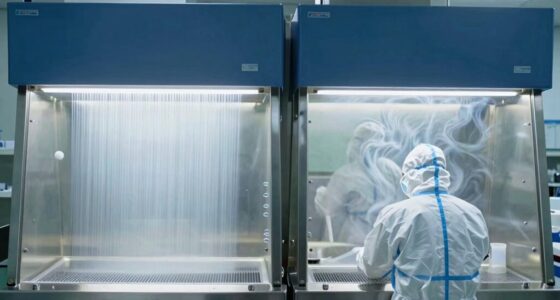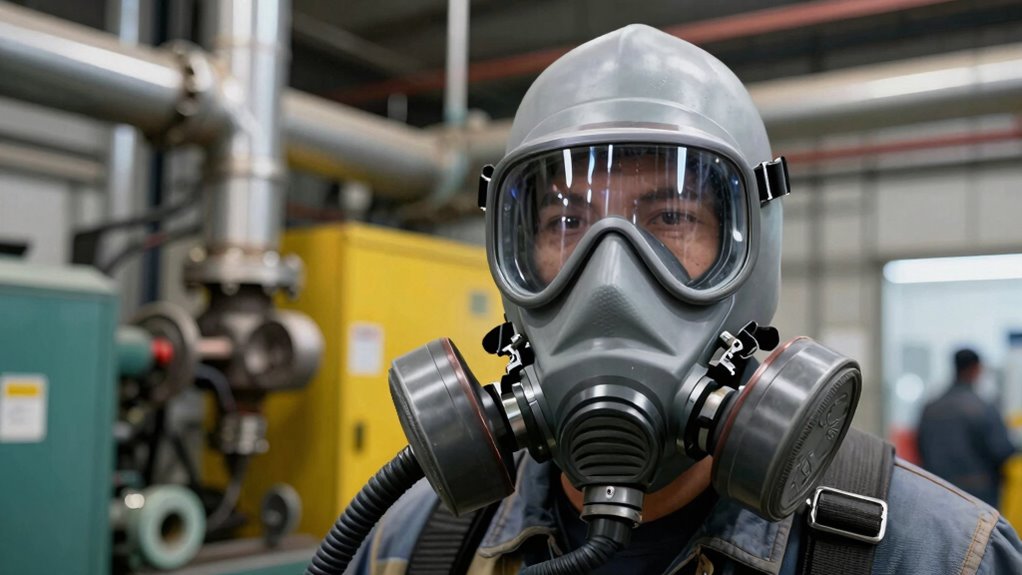

Supplied-air respirators are essential when filters can’t provide enough protection against hazardous airborne contaminants. If you’re working in environments with toxic fumes, particles, or low oxygen levels, filters alone may fail to keep you safe. Using a supplied-air system ensures you get a continuous flow of clean air, preventing exposure to harmful substances. This approach is key when standard filters fall short, and there’s more to understand about maintaining these systems effectively.

Get school and study supplies delivered free — and shop member deals
- Fast, free delivery on millions of items
- Access to Prime Big Deal Days deals on October 6–7
- Prime Video, Amazon Music and more included
Key Takeaways
- Supplied-air respirators provide continuous clean air when filter-based masks cannot adequately protect against hazardous substances.
- They are essential in environments with toxic fumes, low oxygen levels, or particulate matter that filters cannot fully eliminate.
- Proper maintenance and inspection ensure SARs function reliably, preventing system malfunctions during critical operations.
- SARs offer a higher level of respiratory protection, especially when air filtration is insufficient or compromised.
- Training on proper use and recognizing malfunctions is vital to maximize safety when filters alone are inadequate.
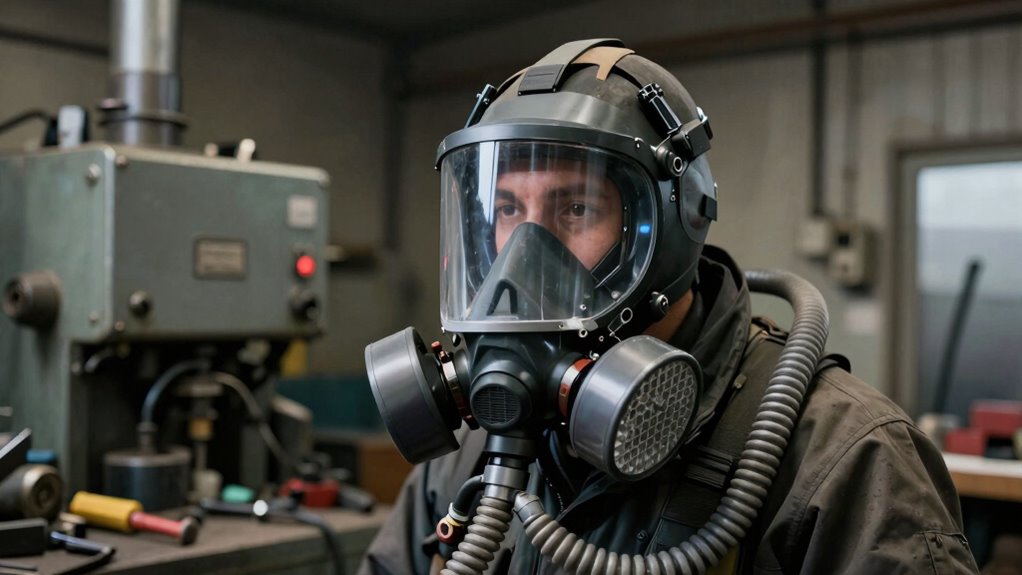
In industrial settings, safety is paramount, and using SARs demands a commitment to proper respirator maintenance. Regular inspection and upkeep aren’t just recommended—they’re indispensable. You need to check hoses, connections, and the air supply system frequently to prevent failures that could compromise your safety. When you neglect respirator maintenance, you risk exposure to harmful substances, which could lead to serious health issues or workplace accidents. Guaranteeing that your SARs are in good working order means verifying that air cylinders are fully charged, filters are clean, and there are no leaks or damages in the system. This proactive approach helps you stay compliant with safety standards and reduces downtime caused by equipment failure. Proper laboratory equipment maintenance is essential to ensure all safety devices operate correctly in high-risk environments. Additionally, understanding air quality standards can help you assess whether your respirator system is adequately protecting you from airborne hazards. Incorporating routine inspection procedures into your safety protocols ensures that potential issues are identified early before they compromise your protection. Regularly reviewing safety protocols can further enhance your overall safety management. Recognizing the importance of preventive maintenance can significantly extend the lifespan of your respirator systems and ensure ongoing protection.
Choosing the right SAR depends on understanding your specific industrial safety needs. If you’re working with highly toxic gases or in environments with variable hazards, you’ll want a system that offers reliable, continuous airflow. Additionally, training on proper respirator use is vital. You must know how to don and doff the equipment correctly and recognize signs of system malfunction. When you’re aware of the importance of respirator maintenance and understand how to keep your SARs functioning efficiently, you’re better equipped to protect yourself and your team from respiratory hazards.
Ultimately, SARs are designed to give you peace of mind in high-risk environments. They’re an investment in your health and safety, but only if you commit to their proper care. Regular maintenance, routine inspections, and understanding their operational limits ensure that your respirators perform when you need them most. By prioritizing industrial safety and respirator maintenance, you’re not only safeguarding your health but also demonstrating a commitment to a safer workplace. When filters aren’t enough to protect you from airborne dangers, reliable supplied-air respirators are your best line of defense.
As an affiliate, we earn on qualifying purchases.
Frequently Asked Questions
How Often Should Supplied-Air Respirators Be Inspected and Maintained?
You should inspect your supplied-air respirator before each use and perform a thorough maintenance check regularly, ideally weekly. Proper inspection frequency guarantees filter maintenance and system integrity. Look for damage, leaks, or worn parts, and replace filters as needed. Regular maintenance helps keep your respirator functioning correctly, protecting you from hazardous environments. Always follow the manufacturer’s recommendations for inspection intervals and maintenance procedures to ensure maximum safety.
Are Supplied-Air Respirators Suitable for All Industrial Environments?
Supplied-air respirators aren’t suitable for all industrial environments because of filtration limitations and respirator compatibility issues. You need to assess the specific hazards, like toxic gases or low oxygen levels, to determine if these respirators are appropriate. In environments with airborne contaminants that filters can’t handle, supplied-air options are better. Always guarantee your respirator matches the work conditions to provide effective protection and avoid compatibility problems.
What Training Is Required to Safely Use Supplied-Air Respirators?
Like a skilled conductor guiding an orchestra, proper training guarantees safe respirator use. You need to understand filter limitations and the importance of correct respirator selection. Training covers donning and doffing procedures, inspection, maintenance, and emergency protocols. It’s essential to recognize hazards and use respirators effectively. Regular refresher courses keep your skills sharp, ensuring you protect yourself adequately when working in environments where filters alone won’t suffice.
How Do You Determine the Appropriate Airflow Rate for a Supplied-Air Respirator?
You determine the appropriate airflow rate by performing an airflow calculation based on your work environment and activity level. Guarantee the airflow exceeds the filter capacity to prevent contaminants from bypassing the filter. Check the respirator’s specifications and manufacturer guidelines, considering factors like breathing rate and physical exertion. Regularly test the system to confirm consistent airflow, ensuring your respiratory protection remains effective and safe during use.
Can Supplied-Air Respirators Be Used in Emergency Situations?
In emergency situations, supplied-air respirators are designed to provide reliable protection, making them suitable for immediate use. You should consider emergency preparedness and confirm respirator compatibility with your gear. When properly maintained and selected, supplied-air respirators offer a continuous air supply, essential for hazardous environments. Always verify your equipment’s readiness and training to respond swiftly, protecting yourself during emergencies where filters alone aren’t sufficient.
Conclusion
When filters aren’t enough, supplied-air respirators become your best safeguard, much like a sturdy shield in a storm. They provide a reliable supply of breathable air, ensuring your safety in hazardous environments. Always assess your situation carefully and choose the right respirator to protect your lungs effectively. Remember, like a lighthouse guiding ships safely to harbor, the right equipment keeps you safe and sound, no matter how tough the conditions.
Halloween Picks
halloween
As an affiliate, we earn on qualifying purchases.