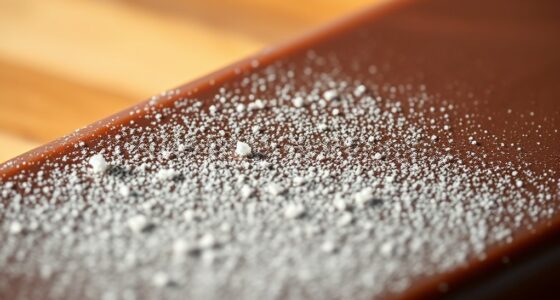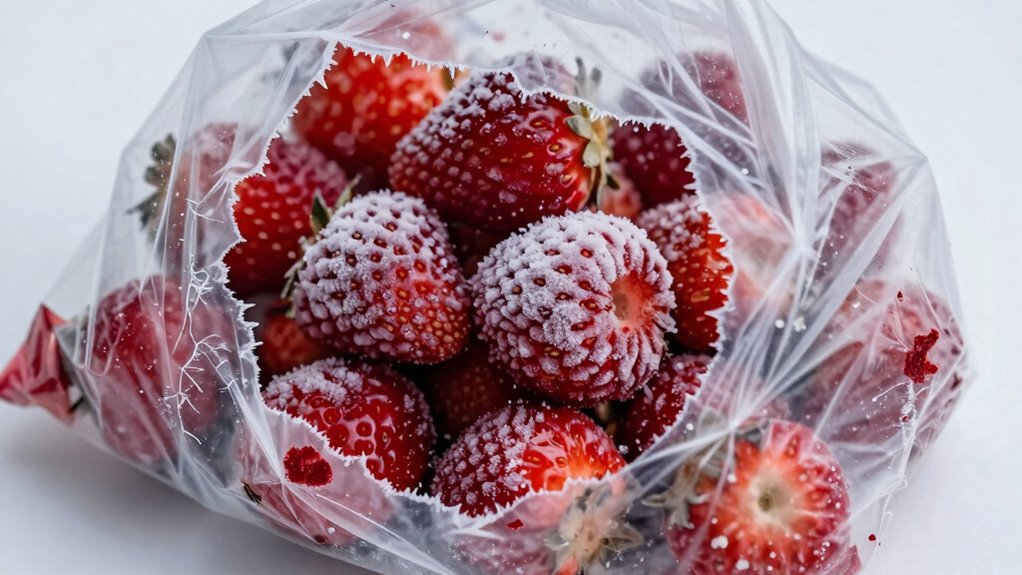
Freezer burn happens when air contacts your frozen food, causing moisture to escape and form icy, dry spots. Temperature fluctuations and slow freezing lead to large ice crystals that damage the food’s texture and nutrition. If you don’t protect your food with proper packaging and keep your freezer at a steady temperature, you risk more freezer burn. Want to learn how to prevent it and keep your food fresh longer? Keep going to find out.

Prime made for students and young adults
- Fast, free delivery for dorm and study essentials
- Prime Video and Amazon Music included
- Member-only deals
Key Takeaways
- Freezer burn occurs when moisture evaporates from food due to inadequate packaging and air exposure.
- Temperature fluctuations cause ice crystals to grow, damaging food textures and promoting dehydration.
- Slow freezing results in larger ice crystals that puncture cell walls, leading to freezer burn.
- Repeated freezer door openings allow warm air to enter, causing moisture loss and ice crystal formation.
- Proper packaging and maintaining a steady, cold temperature help prevent freezer burn.

Have you ever noticed icy spots or a dry, leathery texture on your frozen foods? That’s a common sign of freezer burn, a frustrating issue caused by moisture loss during storage. When food is kept in the freezer for too long or isn’t properly protected, ice crystal formation begins on its surface. These ice crystals form because of fluctuations in temperature, which cause water molecules inside the food to migrate to the surface and freeze there. Over time, this process depletes the food’s natural moisture, leading to the dry, tough texture characteristic of freezer burn.
One of the main factors that influence ice crystal formation is how you package your food. If you don’t use the right packaging techniques, air can seep in and come into contact with the food. This exposure accelerates moisture evaporation and allows ice crystals to grow larger, damaging the food’s integrity. Vacuum-sealing bags, airtight containers, or tightly wrapped foil help create a barrier against air and moisture loss. When food is properly packaged, it minimizes ice crystal growth and preserves the texture and flavor. Conversely, flimsy or incomplete wrapping lets in air and increases the risk of freezer burn. Proper food packaging techniques are essential for maintaining the quality of frozen items. Using the right packaging materials also helps prevent moisture loss, which is a key factor in freezer burn development.
Proper packaging like vacuum-sealing or airtight containers prevents freezer burn and preserves food quality.
Temperature consistency also plays a role. Fluctuating temperatures cause repeated freezing and thawing cycles, which exacerbate ice crystal formation. When the freezer isn’t set to a consistent temperature or if it’s frequently opened, the cold air escapes and warm air enters, creating conditions ripe for ice crystals to develop and grow. Keeping your freezer at a steady 0°F (-18°C) helps prevent these temperature swings, reducing the chances of freezer burn. Additionally, proper storage techniques can help maintain a consistent temperature environment and protect your food. Maintaining a steady temperature also helps preserve the food’s overall nutritional value.
Another important step is to freeze food quickly. Rapid freezing limits the size of ice crystals that form, which helps maintain food quality. Slow freezing allows larger crystals to develop, damaging cell walls and leading to the leathery textures often associated with freezer burn. Using proper packaging techniques combined with quick freezing can markedly extend the shelf life of your foods and keep them tasting fresh longer. To enhance this process, many recommend using a blast freezer or arranging foods in a single layer for faster freezing.
As an affiliate, we earn on qualifying purchases.
Frequently Asked Questions
Can Freezer Burn Affect the Safety of Food?
Freezer burn doesn’t typically affect food safety, but it can impact quality and texture. While it might cause dryness or discoloration, it doesn’t usually make the food unsafe to eat. To maintain food safety and quality, use proper preservation techniques like airtight packaging and maintaining consistent freezer temperatures. If food shows signs of freezer burn, it’s best to cut away affected areas to enjoy the rest safely and preserve flavor.
Does Freezer Burn Change the Nutritional Value?
Freezer burn primarily affects taste and texture, but it can slightly diminish the nutritional value. While it doesn’t make food unsafe, it can cause nutrient loss, especially for vitamins like A and C. You might notice a taste alteration, which makes the food less appealing. So, for the best flavor and nutrition, try to prevent freezer burn by sealing food tightly and consuming it within recommended storage times.
How Does Packaging Influence Freezer Burn?
Packaging materials and sealing techniques play a vital role in preventing freezer burn. When you use airtight packaging, like vacuum-sealed bags or heavy-duty foil, you minimize air exposure, which slows moisture loss. Proper sealing guarantees no air enters the package, keeping your food fresher longer. Avoid flimsy or poorly sealed containers, as they let in air and increase the risk of freezer burn, ultimately preserving your food’s quality and flavor.
Can Freezer Burn Be Reversed or Repaired?
Freezer burn can’t be reversed or repaired because ice crystal formation causes moisture loss, leading to dry, leathery spots on your food. Once the damage occurs, the texture and flavor are permanently affected. To prevent freezer burn, you should store food in airtight packaging and minimize exposure to air. While you can’t fix freezer burn, cutting away affected areas can help salvage some of the food’s quality.
What Foods Are Most Vulnerable to Freezer Burn?
You’ll find that foods like meats, fruits, and vegetables are most vulnerable to freezer burn. When exposed to air, they experience dehydration, leading to changes in food texture and flavor loss. You might notice dry, leathery surfaces or ice crystals forming, which compromise quality. To prevent this, make certain your foods are tightly wrapped and sealed. Proper packaging minimizes air exposure, keeping your food fresh and flavorful longer.
Conclusion
Now that you know how freezer burn occurs, think of it as a silent thief stealing moisture from your food like a sneaky shadow. To keep your groceries fresh and flavorful, wrap them tightly and store them properly. Treat your freezer like a fortress, guarding your food against the icy invader. With these simple tricks, you’ll prevent freezer burn from sneaking in and ruining your favorite treats, keeping them as delicious as the day you bought them.
Halloween Picks
halloween
As an affiliate, we earn on qualifying purchases.