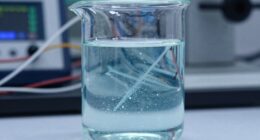
When you notice a smell from new plastics, it’s usually due to off-gassing, where chemicals used during manufacturing slowly migrate to the surface and evaporate. This process happens because of residual additives, such as plasticizers or stabilizers, that can become trapped inside the material. The odor varies based on the type of plastic and chemicals involved. If you want to understand more about this common occurrence, there’s plenty more to discover.
Open a free Amazon Business account
Business pricing, bulk buying and tax-exempt orders.
As an affiliate, we earn on qualifying purchases.
Key Takeaways
- The smell in new plastics comes from chemicals used during manufacturing, which slowly evaporate over time.
- Additives like plasticizers and stabilizers can release volatile compounds, causing odors.
- Manufacturing processes involving high heat can trap residual chemicals that later off-gas.
- Exposure to heat or UV light accelerates chemical migration, increasing the scent temporarily.
- Ventilating new plastics can help reduce odors without implying any health risk.

You might notice a distinct smell when you first open a new plastic product, and that odor often raises questions about its safety and composition. That smell is primarily caused by off-gassing, a natural process where certain chemicals escape from the plastic material into the air. Understanding why plastics smell involves exploring the chemical reactions and manufacturing processes that create them. During manufacturing, plastics are formed through polymerization, which involves linking small molecules called monomers into long chains called polymers. To give plastics specific properties—like flexibility, transparency, or durability—manufacturers add various additives, including plasticizers, stabilizers, and colorants. These additives improve the plastic’s performance but can also influence the off-gassing process.
New plastic smells due to off-gassing from added chemicals during manufacturing.
When plastics are produced, some residual chemicals from the manufacturing process remain trapped within the material. Over time, and especially when a product is new, these chemicals slowly migrate to the surface and evaporate into the surrounding air. This migration results from chemical reactions that occur within the plastic structure. For example, certain plasticizers can react with environmental factors like heat or UV light, breaking down into smaller, volatile compounds. These compounds are what you perceive as the characteristic odor. The strength and duration of the smell depend on the type of plastic, the additives used, and how the product is stored or used. The chemical composition of the plastic also plays a crucial role in how much and what kind of off-gassing occurs.
The manufacturing process plays a significant role in determining the amount and type of chemicals that off-gas. Some processes involve high temperatures and rapid cooling, which can trap volatile substances inside the plastic matrix. As the product ages or is exposed to heat, these substances gradually escape, causing the scent to diminish over time. Conversely, plastics made with more volatile additives or less controlled processes may emit stronger odors initially. It’s also worth noting that certain plastics, like polyvinyl chloride (PVC) or polycarbonate, tend to have more noticeable smells due to their specific chemical compositions and the additives involved.
This off-gassing isn’t an indication of dangerous chemicals necessarily. Many of the substances released are common, low-volatility compounds that pose little risk at typical exposure levels. Nonetheless, it’s wise to ventilate new plastic items and avoid exposing them to excessive heat, which can accelerate chemical reactions and increase off-gassing. By understanding the connection between chemical reactions and manufacturing processes, you can better appreciate why plastics smell—and how to handle new products responsibly without undue concern.
odor reducing plastic storage containers
As an affiliate, we earn on qualifying purchases.
As an affiliate, we earn on qualifying purchases.
Frequently Asked Questions
Can Plastic Smells Be Harmful to Health Long-Term?
Plastic smells from off-gassing can pose health risks if you’re exposed to them long-term. The chemical composition of plastics releases volatile organic compounds (VOCs), which may cause respiratory issues or other health problems over time. If you’re frequently exposed to plastic odors, it’s wise to guarantee proper ventilation and limit contact. Long-term exposure to certain chemicals in plastics could potentially harm your health, so stay cautious and monitor your environment.
Do All Plastics Emit the Same Odors?
Not all plastics emit the same odors because plastic composition and manufacturing processes vary. Some plastics, like PVC, release stronger smells due to the chemicals used, while others, like polypropylene, have milder odors. Your sense of smell detects these differences based on the specific additives and stabilizers involved. So, understanding the type of plastic and how it’s made helps explain why some plastics smell more than others.
How Can I Remove Plastic Smell From New Items?
You can effectively remove plastic smell from new items through natural airing. First, investigate if the odor is due to volatile compounds off-gassing; this helps you understand it’s temporary. To reduce odor, wash the item with mild soap and water, then leave it in a well-ventilated space for several days. Consistent odor reduction relies on natural airing, which helps dissipate the smell without harsh chemicals.
Are There Eco-Friendly Plastics With Less Odor?
Yes, eco-friendly plastics like biodegradable plastics tend to have less odor due to their natural composition. To further reduce scent, you can use scent reduction techniques such as washing the item with mild soap or airing it out in a well-ventilated space. These methods help diminish plastic smells without relying on harsh chemicals, making your eco-friendly choices both safer and more pleasant.
Does Temperature Affect Plastic Off-Gassing?
Imagine you leave a plastic container in the sun; the increased temperature accelerates plastic decomposition, causing more off-gassing. Yes, temperature substantially affects plastic off-gassing by increasing scent diffusion, making odors stronger. Higher temperatures cause molecules to release more rapidly, intensifying odors. Keeping plastics cool slows this process, reducing scent diffusion. Consequently, temperature directly influences how much and how fast off-gassing occurs, impacting your perception of plastic odors.
Conclusion
So, next time you notice a plastic smell, remember it’s just off-gassing, not danger. But what if that scent is changing or lingering longer than expected? Could there be more beneath the surface? Keep your senses alert—there’s more to these odors than meets the nose. Stay curious and informed, because understanding plastics might just reveal surprises you never saw coming. The story isn’t finished, and the truth might be closer than you think.
NFL season / tailgating Picks
team gear
As an affiliate, we earn on qualifying purchases.