Cleaning validation guarantees your equipment is residue-free and free from contamination, helping you meet regulatory standards. You verify that cleaning procedures are effective through qualification steps like IQ, OQ, and PQ, and regularly monitor residue levels using sampling methods. Developing clear protocols and conducting validation runs confirm consistent cleaning results. Ongoing monitoring and revalidation keep your processes reliable. Keep exploring these concepts further to strengthen your understanding and assure ideal quality and compliance.

Prime made for students and young adults
- Fast, free delivery for dorm and study essentials
- Prime Video and Amazon Music included
- Member-only deals
Key Takeaways
- Cleaning validation confirms equipment is residue-free to prevent contamination and ensure product safety.
- It involves developing, executing, and documenting validated cleaning protocols.
- Regular testing with swab and rinse samples verifies ongoing cleaning effectiveness.
- Equipment qualification (IQ, OQ, PQ) ensures proper functionality and consistent cleaning performance.
- Continuous monitoring and revalidation maintain compliance and improve cleaning processes over time.
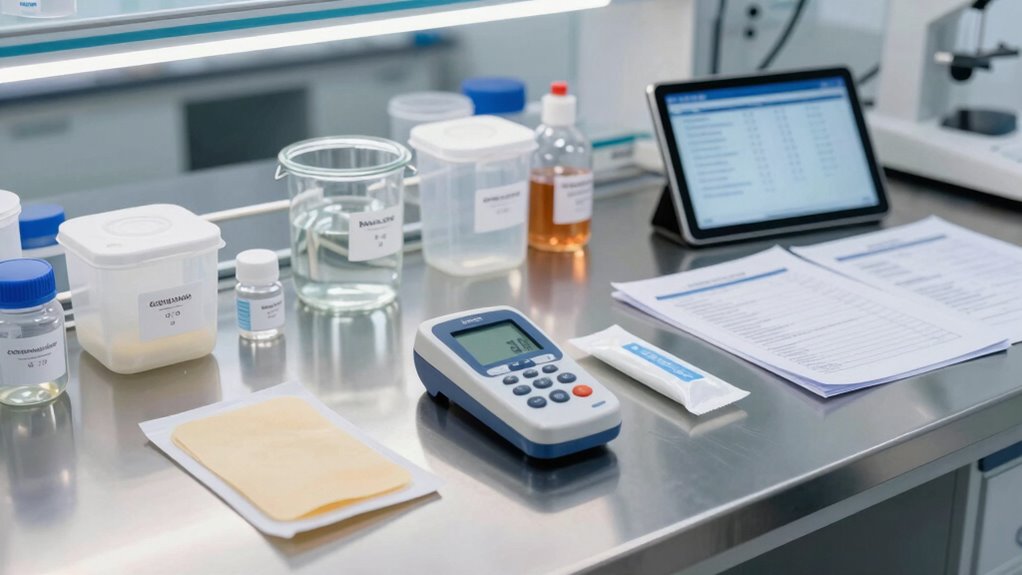
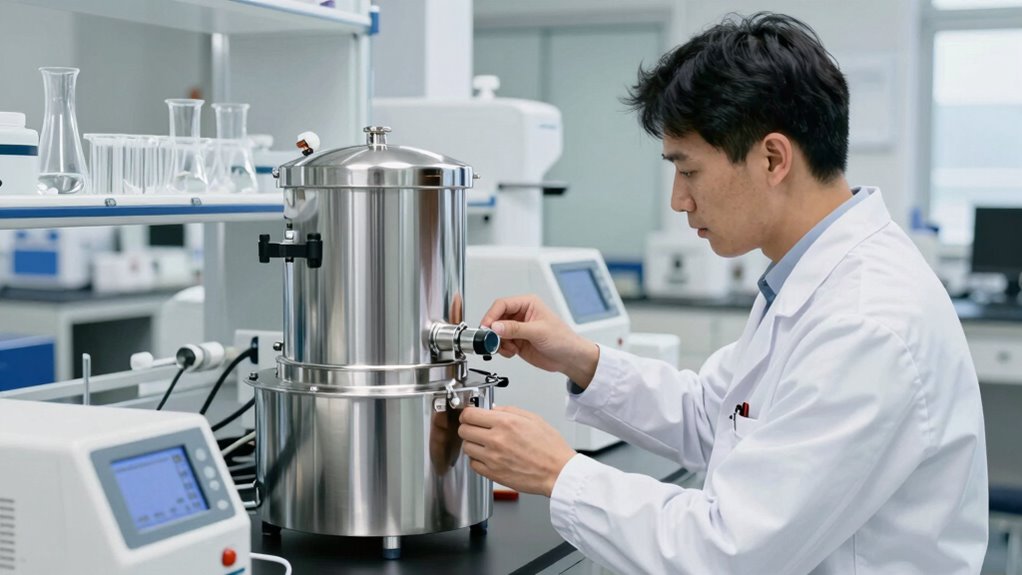
Cleaning validation is a critical process in ensuring that pharmaceutical and food manufacturing equipment is free from residues that could compromise product safety and quality. When you perform cleaning validation, you’re confirming that your cleaning procedures effectively remove contaminants, residues, and microbial agents to meet strict safety standards. This process hinges on thorough equipment qualification, which involves verifying that your equipment functions correctly and consistently under specified conditions. Equipment qualification ensures that your cleaning processes are built on a solid foundation, so you can confidently demonstrate that your cleaning methods are capable of achieving the desired cleanliness levels. Without proper qualification, even the best cleaning protocols may fall short, risking contamination and product recalls.
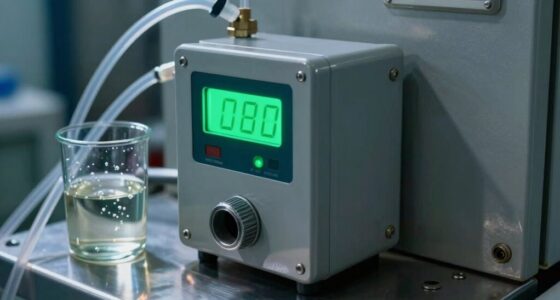
Contamination control is the core goal of cleaning validation. You want to prevent cross-contamination between batches, especially when switching between different products or ingredients. Effective contamination control depends on understanding how residues can persist in equipment and implementing cleaning procedures tailored to remove those residues. You should define acceptance criteria based on analytical testing, such as swab and rinse samples, to confirm that residue levels stay below established limits. These limits are usually set by regulatory guidelines and are critical for safeguarding patient health and maintaining product integrity.
Contamination control prevents cross-batch residues, ensuring product safety and compliance through targeted cleaning and testing.
To achieve reliable cleaning validation, you need to develop and document validated cleaning protocols. This means you must specify cleaning agents, methods, contact times, temperatures, and rinse procedures. Once these protocols are established, you perform validation runs to generate data that demonstrate consistent removal of residues. This data must be statistically analyzed to ensure the cleaning process consistently meets predetermined acceptance criteria. You also need to verify that your cleaning equipment is properly qualified, which involves installation qualification (IQ), operational qualification (OQ), and performance qualification (PQ). These steps confirm that your equipment performs as intended and continues to do so throughout routine operations. Additionally, understanding the importance of equipment qualification helps you establish a reliable foundation for ongoing validation efforts. Regular validation activities, including revalidation procedures, are necessary to account for equipment wear and process changes over time. Establishing a comprehensive validation plan ensures all critical aspects of cleaning are systematically monitored and controlled. Moreover, implementing continuous monitoring can help detect deviations early and ensure ongoing compliance.
Regular monitoring and revalidation are essential components of contamination control. Conditions can change over time, so periodic testing verifies that cleaning procedures remain effective. If issues arise, you should investigate and adjust cleaning protocols accordingly. By maintaining rigorous equipment qualification and contamination control measures, you minimize risks associated with residues and microbial contamination. Ultimately, a well-executed cleaning validation process not only ensures compliance with regulatory standards but also protects your consumers by delivering safe, high-quality products. This disciplined approach to cleaning validation underscores your commitment to quality, safety, and continuous improvement in your manufacturing practices.
pharmaceutical cleaning validation swab kits
As an affiliate, we earn on qualifying purchases.
As an affiliate, we earn on qualifying purchases.
Frequently Asked Questions
How Often Should Cleaning Validation Be Re-Evaluated?
You should re-evaluate your cleaning validation whenever there’s a change in your process, equipment, or facilities, or if you experience a failed validation. Regular cleaning frequency assessments are essential, and implementing revalidation strategies guarantees ongoing compliance. Typically, revalidation occurs annually or biannually, but you might need more frequent reviews if there are significant changes or issues. Staying proactive helps maintain product safety and regulatory adherence effectively.
What Are the Common Challenges Faced During Cleaning Validation?
Managing cleaning validation is like walking a tightrope—cross contamination risks threaten to throw you off balance, while validation protocol challenges test your stability. You often face difficulties ensuring consistent cleanliness, controlling variables, and verifying residue removal. Documentation can be complex, and equipment differences add layers of complexity. Staying vigilant, meticulously following protocols, and adapting to unforeseen issues are key to overcoming these hurdles and maintaining product safety and compliance.
How to Handle Cleaning Validation for Multi-Product Manufacturing Lines?
To handle cleaning validation for multi-product lines, you should develop thorough cleaning validation protocols that address cross contamination prevention. Focus on establishing effective cleaning procedures tailored to each product, and verify their efficacy through appropriate testing. Regularly review and update these protocols, ensuring they meet regulatory standards. Proper documentation and consistent validation help maintain product integrity, minimize contamination risks, and ensure compliance across all manufacturing cycles.
What Documentation Is Required for Cleaning Validation Audits?
Think of your cleaning validation audit as a court case where documentation is your strongest evidence. You’ll need detailed cleaning protocols, including procedures, acceptance criteria, and validation metrics. Records of cleaning activities, deviation reports, and calibration logs also matter. Guarantee your documentation demonstrates consistent adherence to protocols and validation standards. Well-organized, complete records show auditors that your cleaning process is reliable, ensuring product safety and regulatory compliance.
How Do We Validate Cleaning Procedures for New Equipment?
You validate cleaning procedures for new equipment by developing thorough validation protocols that specify acceptance criteria, sampling methods, and analytical tests. Start with equipment sanitation procedures, ensuring they meet industry standards. Conduct initial cleaning runs, collect swab or rinse samples, and analyze them to confirm residue levels are below acceptable limits. Document all activities thoroughly, review results, and adjust procedures as needed before final approval, ensuring consistent cleaning performance.
Conclusion
Think of cleaning validation like tending a garden. You carefully select the right tools, follow a steady routine, and regularly check for weeds or pests. When you stay vigilant and disciplined, your garden flourishes, just like your processes stay compliant and safe. Remember, consistency is your best gardener’s tool—keeping everything pristine and healthy. With this mindset, your team will cultivate a spotless, reliable environment where quality and safety grow hand in hand.
Halloween Picks
halloween
As an affiliate, we earn on qualifying purchases.